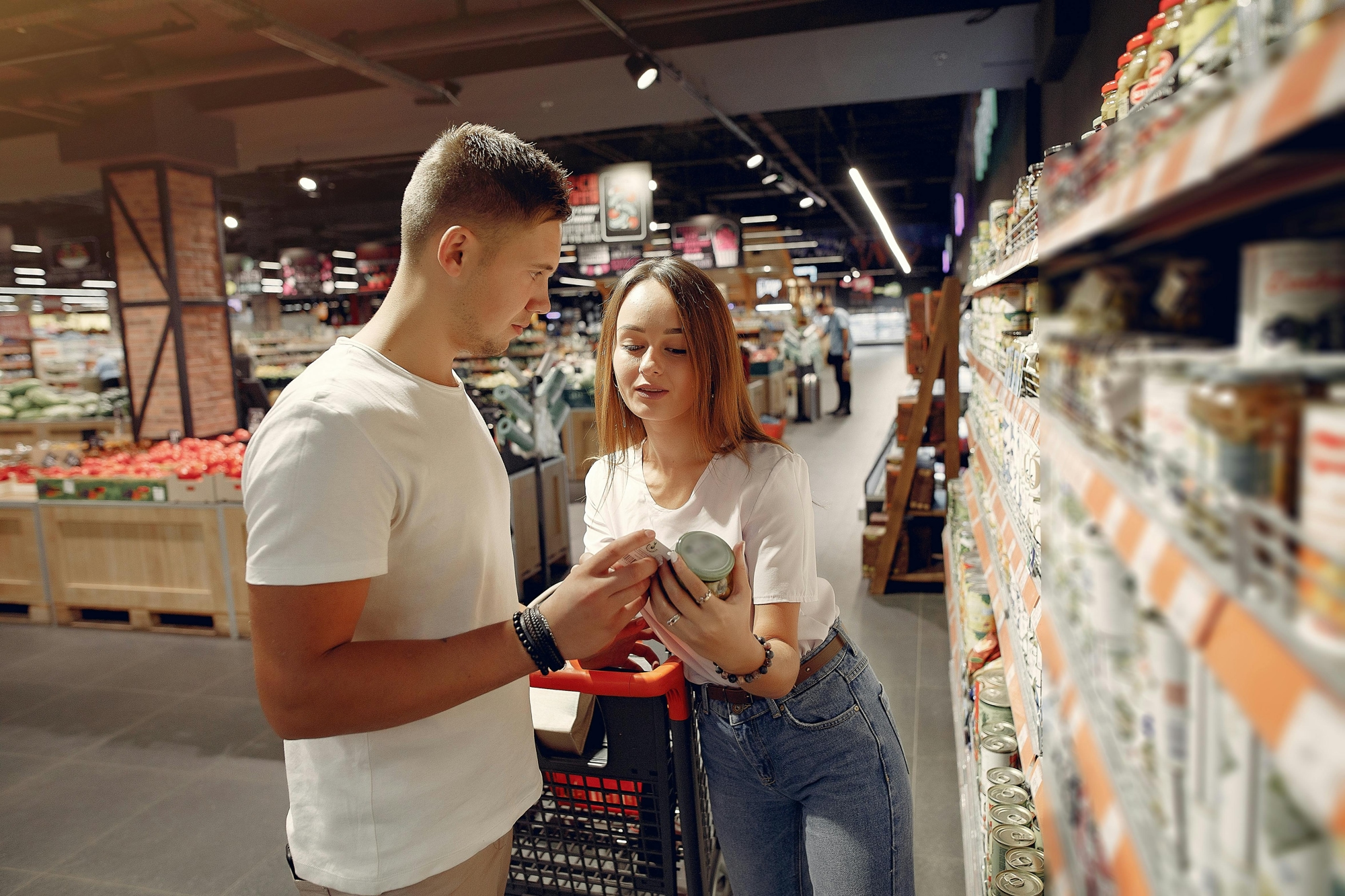
A bottle of soy sauce sits next to a bottle of aged balsamic vinegar on a restaurant supply order form. The balsamic costs $45 for 250 milliliters. No one questions it—aged vinegar commands premium prices, and chefs budget accordingly. But when a similar-sized bottle of barrel-aged shoyu costs $35, the reaction is different. Isn’t soy sauce just soy sauce?
The price gap between a $4 bottle and a $40 bottle reflects more than packaging or branding. It represents fundamentally different production methods. Understanding what drives the cost reveals why some bottles deliver a complexity that cheap versions cannot replicate, and when that difference actually matters.
What Makes Soy Sauce Expensive
Price in soy sauce correlates directly with time, ingredients, and production scale. Traditional soy sauce fermentation takes over six months for the entire fermentation and aging of the moromi mash, while chemically produced versions can be made in a matter of hours or days, according to research from the National Research Council published by the National Center for Biotechnology Information.
The factors that push soy sauce into higher price brackets include longer fermentation periods, whole soybeans instead of defatted soybean meal, traditional wooden barrel aging, small-batch production, and regional or artisanal production methods that prioritize quality over volume.
Each of these decisions costs money—in time, in materials, in expertise, and in infrastructure. A producer fermenting soy sauce for two years in century-old wooden barrels cannot compete on price with a factory producing 10,000 liters per day using industrial stainless steel tanks and chemical hydrolysis.
The $3-$5 Range: Mass-Produced Standards
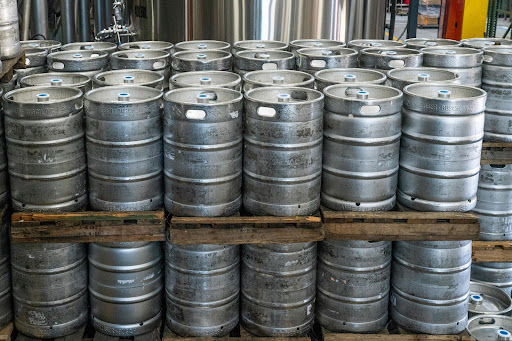
The cheapest soy sauces on grocery shelves fall into two categories: chemically produced and naturally brewed but industrially scaled.
Chemically produced soy sauce, sometimes labeled as hydrolyzed soy protein, is made by treating defatted soy protein with hydrochloric acid to rapidly break down proteins into amino acids. The resulting liquid is neutralized with sodium carbonate, blended with caramel color and corn syrup, and bottled. The entire process takes less than a day, and the flavor is one-dimensional—aggressively salty with no aromatic complexity.
These products cost $2 to $4 per bottle and function as cheap seasoning rather than a condiment with depth. Ingredient lists reveal the shortcuts: hydrolyzed vegetable protein, caramel color, high-fructose corn syrup, and preservatives.
Naturally brewed mass-market soy sauce, like standard Kikkoman or La Choy, costs slightly more—typically $3 to $5—but is made through actual fermentation. These products use defatted soybean meal rather than whole soybeans, shorter fermentation periods (often three to six months), and large-scale production that prioritizes consistency and shelf stability over nuanced flavor.
The result is a reliable, functional soy sauce that works for everyday cooking but lacks the aromatic complexity and balanced umami of longer-aged versions. These bottles are workhorses—fine for fried rice, marinades, and basic seasoning—but they won’t deliver the depth that premium soy sauce offers.
The $10-$20 Range: Naturally Brewed with Whole Soybeans
Mid-range soy sauce represents the first significant quality jump. Producers in this bracket use whole soybeans, ferment for longer periods—typically eight months to a year—and avoid chemical shortcuts.
Brands like Kishibori Shoyu,Ohsawa Organic Nama Shoyu, and Yamasa Marudaizu fall into this range, priced between $10 and $20 for a standard bottle. These soy sauces taste noticeably richer, with rounder umami, cleaner salt, and subtle sweetness that balances rather than dominates.
Whole soybeans, unlike defatted soybean meal, retain natural oils that deepen mouthfeel and flavor. These oils give koji—the mold central to fermentation—more material to break down, amplifying umami. As Jeremy Umansky and Rich Shih write in Koji Alchemy, “Koji is a mold that humans have used for thousands of years to produce foods such as soy sauce, miso, sake, gochujang, and literally dozens of others of foods, all marked by their savory, umami-rich flavors.”
Fermentation in this price range lasts long enough to develop complexity without requiring the infrastructure or aging capacity needed for ultra-premium production. These soy sauces work well in applications where flavor matters—dipping sauces, finishing drizzles, or dishes where soy sauce plays a central role rather than a supporting one.
For most home cooks, this range offers the best balance between quality and affordability. The difference between a $5 bottle and a $15 bottle is immediately apparent in finished dishes, while the gap between $15 and $50 is more subtle and depends on context.
The $20-$40 Range: Barrel-Aged and Small-Batch Production
Premium soy sauce in the $20 to $40 range represents artisan production—small batches, extended aging, and often traditional wooden barrel fermentation.
Producers like Yamaroku and Takesan age their soy sauce in kioke, large wooden barrels that can hold thousands of liters and have been in continuous use for decades or even centuries. These barrels harbor resident microbial populations that contribute unique flavor characteristics impossible to replicate in stainless steel tanks.
Fermentation times in this range typically extend from 18 months to three years. The longer aging allows for deeper, more nuanced flavors—caramelized sweetness, roasted grain notes, and layered umami that unfolds gradually rather than hitting the palate all at once.
The production scale is also vastly smaller. Where industrial producers might make millions of liters annually, artisan brewers produce a few thousand liters per year. Labor is manual—stirring moromi mash by hand, monitoring fermentation temperatures, pressing liquid from solids using traditional methods.
These soy sauces taste distinctly different from mass-produced versions. The flavor is smoother, with less sharpness and more roundness, and the aroma is more complex—hints of dried fruit, toasted grain, and earthy funk that only develop through extended aging in wood.
This is soy sauce for finishing dishes rather than cooking with. A few drops over sashimi, grilled fish, or steamed vegetables highlight the quality in ways that would be lost if the sauce were mixed into a stir-fry or braising liquid.
The $100+ Range: Kamebishi and Ultra-Premium Soy Sauce
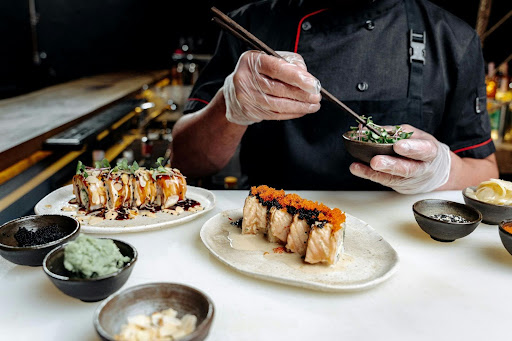
At the top of the market sits soy sauce that costs as much as fine wine. Kamebishi, one of Japan’s oldest soy sauce brewers, produces versions aged for three years or longer, fermented using the mushiro koji method—a centuries-old technique where koji is cultivated on woven straw mats rather than in controlled environments.
These soy sauces can cost $100 or more per bottle, reflecting the time and infrastructure required to produce them. Kamebishi’s production facility includes wooden barrels that have been in use for over 150 years, maintained continuously and never emptied completely. The microbial ecosystems within these barrels are irreplaceable—they cannot be recreated in new barrels or stainless steel tanks.
The flavor profile at this level is extraordinary—deeply complex, with almost wine-like characteristics. The salt recedes, allowing notes of dark caramel, dried fruit, and umami so rounded it feels almost sweet. The texture is thicker, almost syrupy, and a single drop can transform a dish.
Is Expensive Soy Sauce Better?
Better is subjective, but more complex, more balanced, and more carefully made are objective descriptions that apply to premium soy sauce. Expensive soy sauce won’t elevate poorly executed dishes, but it will enhance already well-prepared food in ways that standard bottles cannot.
The return on investment diminishes as price increases. The jump from $5 to $15 is dramatic. The jump from $15 to $30 is noticeable. The jump from $30 to $100 is subtle and matters primarily to people who prioritize ingredient quality and culinary precision.
For most home cooks, a naturally brewed soy sauce in the $8 to $15 range offers the best value—affordable enough for regular use but complex enough to make a difference. Keep a standard bottle for cooking and a premium bottle for finishing. Use mass-market versions in marinades, braises, and stir-fries where high heat and competing flavors mask subtlety. Reserve premium bottles for dipping sauces, dressings, and dishes where soy sauce is a featured flavor.
Soy sauce exists on a spectrum, and every tier has its place. Understanding what drives the price means knowing which bottle to reach for and when—and that knowledge makes every drop count.