Soy sauce looks different depending on where you are. Browse our country guides to discover regional styles, local producers, and the flavors that define each place.
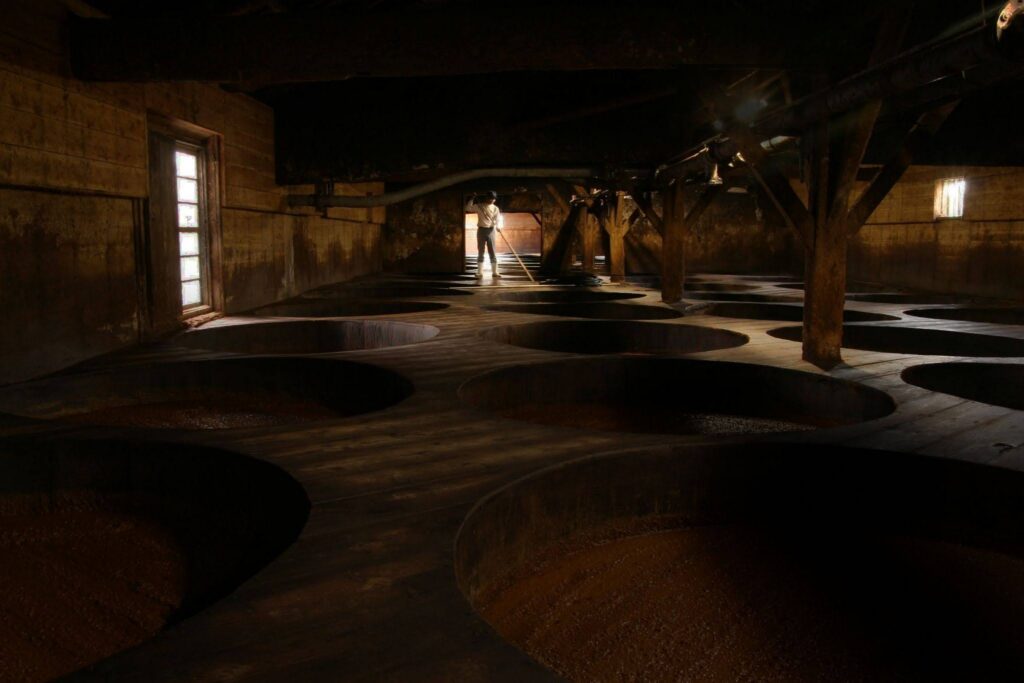
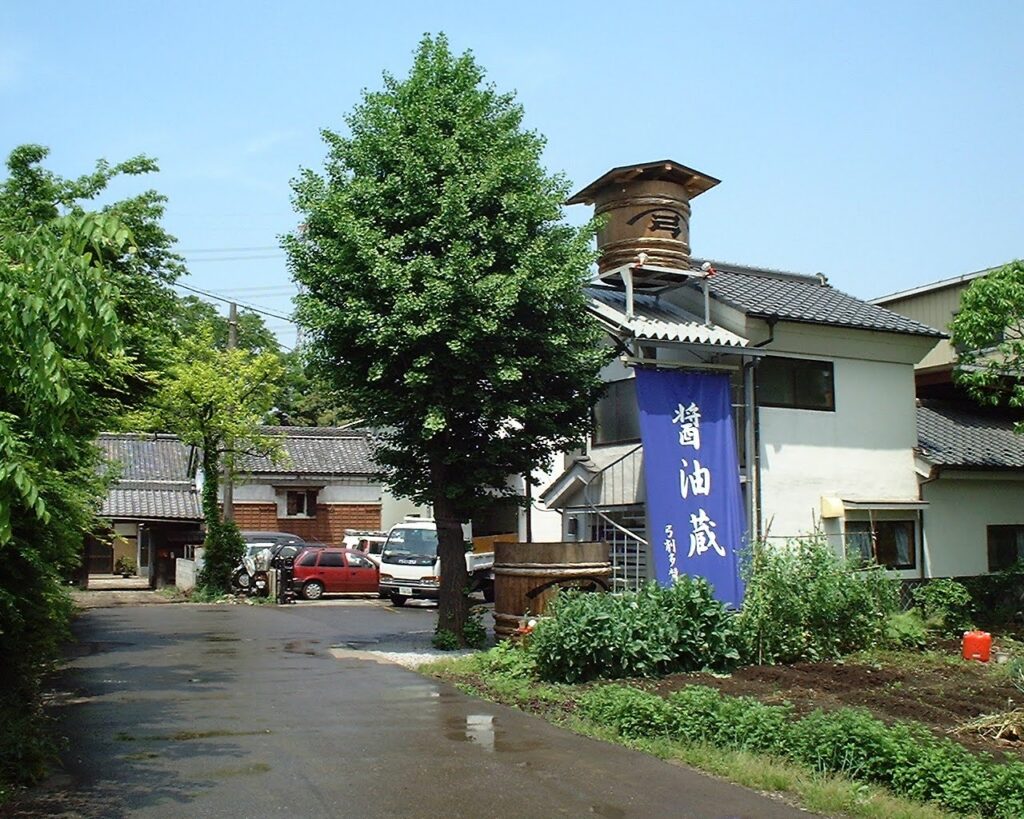
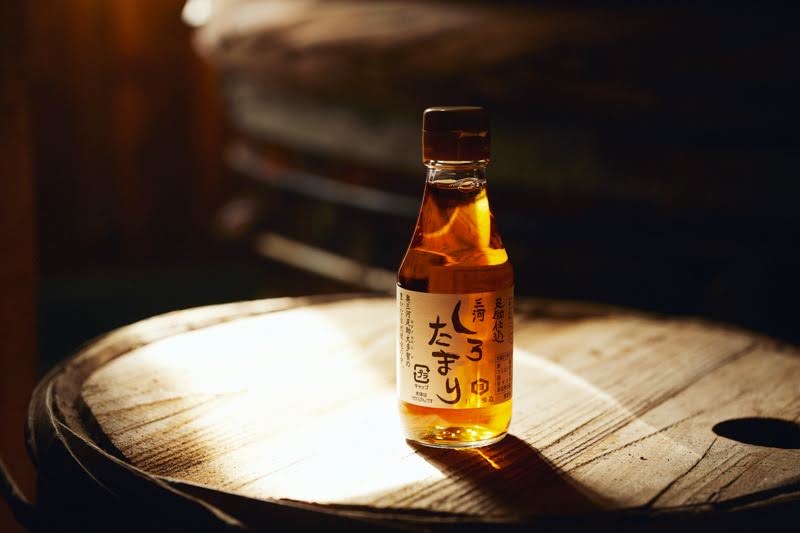
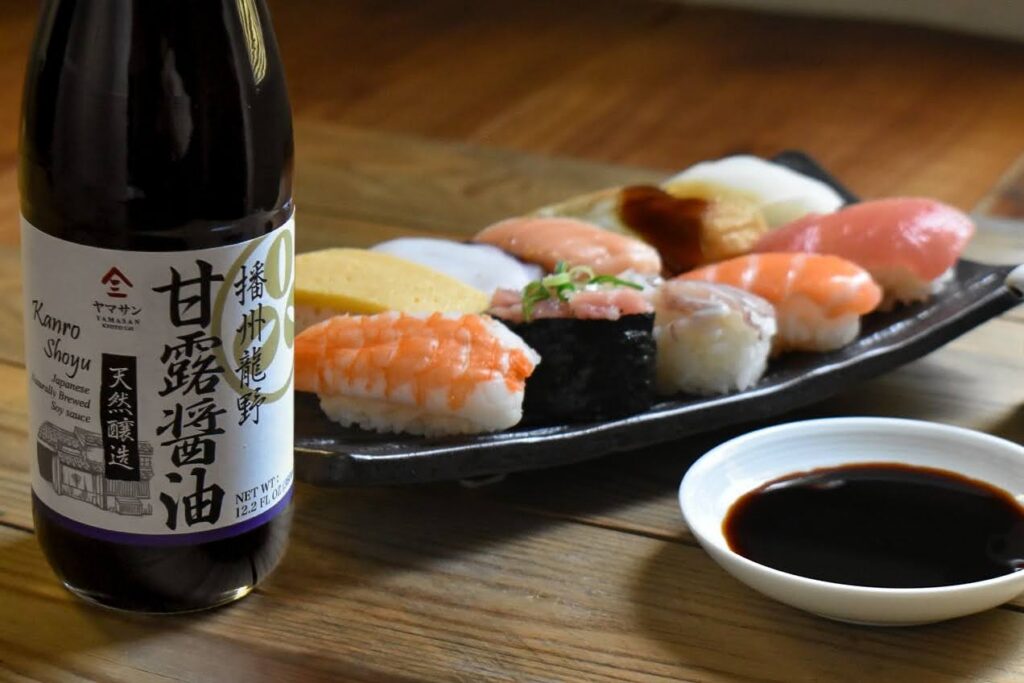
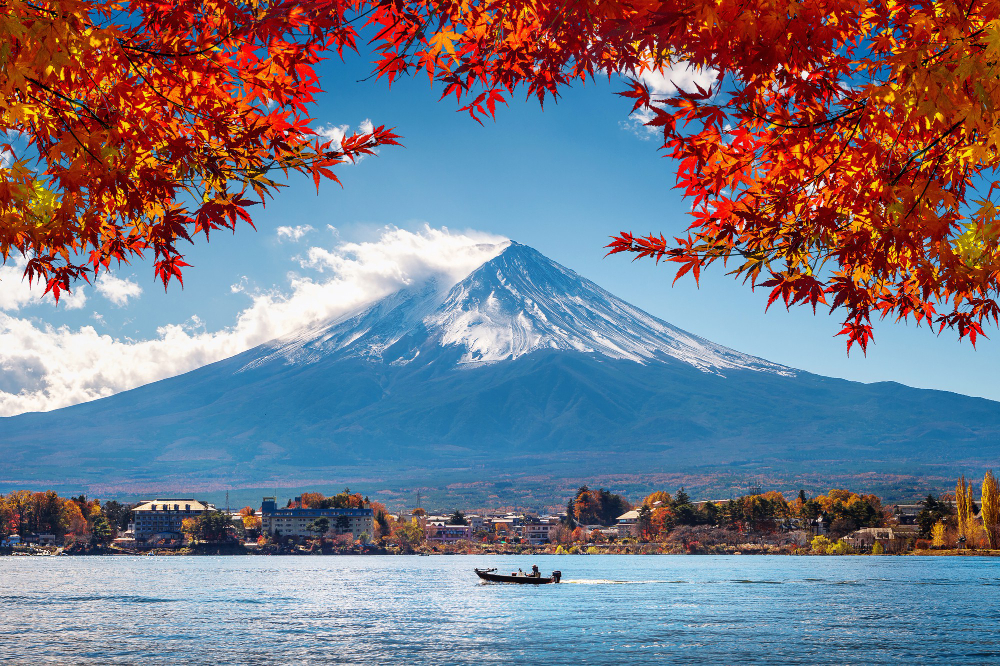
Japan is renowned for producing shoyu, a soy sauce prized for its balanced umami, subtle sweetness, and refined aroma. Brewed through a long fermentation process, it is an essential ingredient…
China is widely recognized as the birthplace of soy sauce, with a history spanning more than 2,500 years. Chinese soy sauces are broadly divided into light and dark varieties, each…
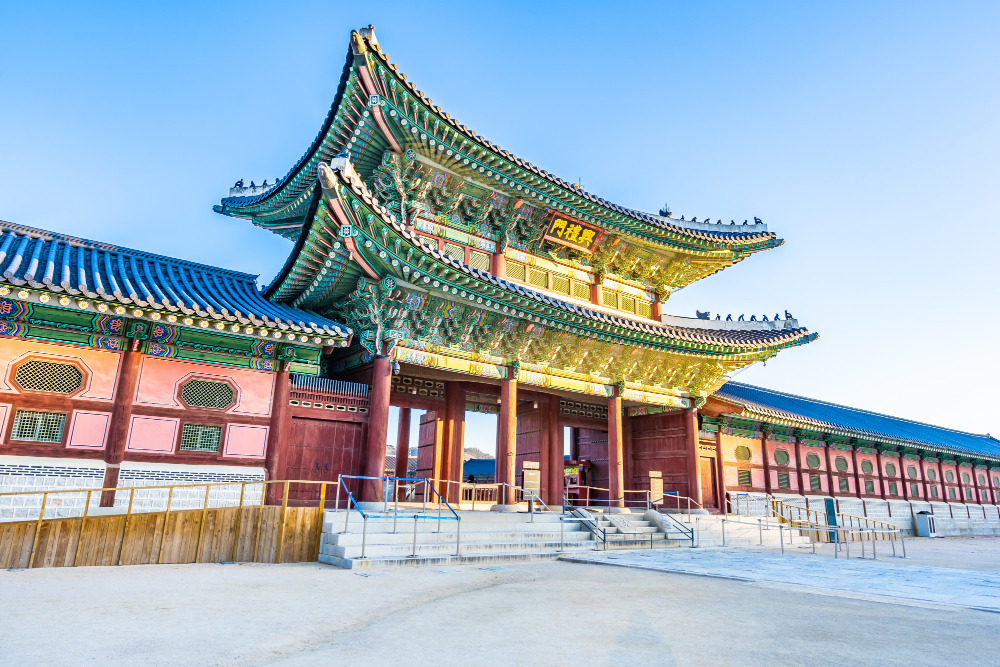
Korean soy sauce, or ganjang, is deeply rooted in the country’s traditional fermentation culture. It is often produced alongside doenjang (soybean paste) during the fermentation of meju blocks, resulting in…
Although the Netherlands does not have an indigenous soy sauce tradition, it played an important role in introducing soy sauce to Europe through the Dutch East India Company in the…
Soy sauce gained popularity in the United States through Asian immigrant communities and the increasing influence of Japanese, Chinese, Korean, and Southeast Asian cuisines. It has since become a pantry…
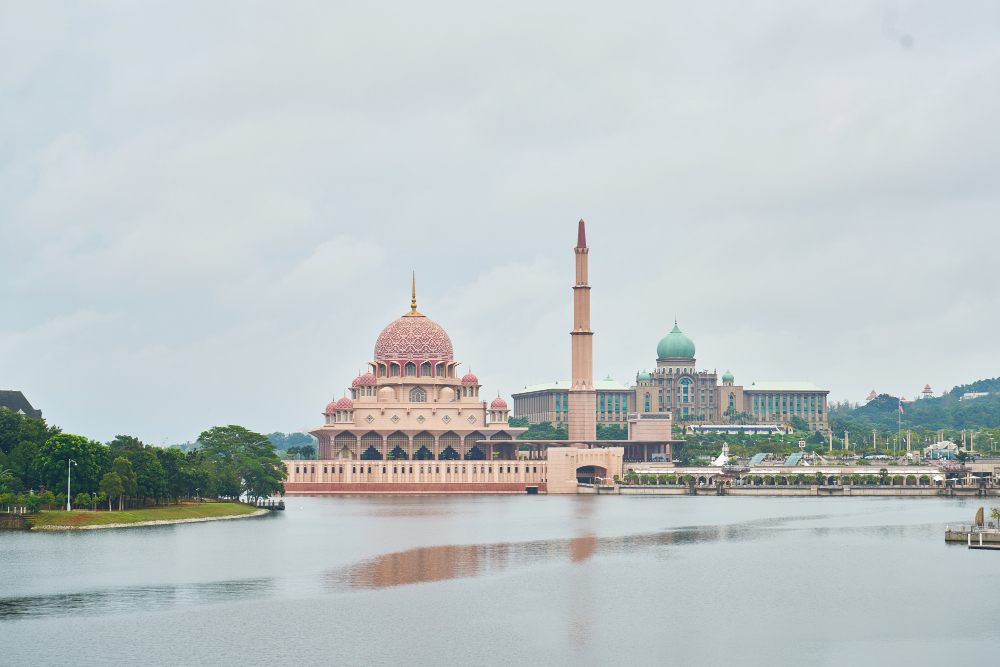
Malaysia’s soy sauce tradition reflects the country’s rich blend of Chinese, Malay, and indigenous culinary influences. Both light and dark soy sauces are commonly used, each contributing unique flavors and…
Singapore’s soy sauce culture is shaped by its multicultural heritage, particularly its Chinese, Malay, Indian, and Peranakan communities. Light and dark soy sauces are widely used in hawker centers and…
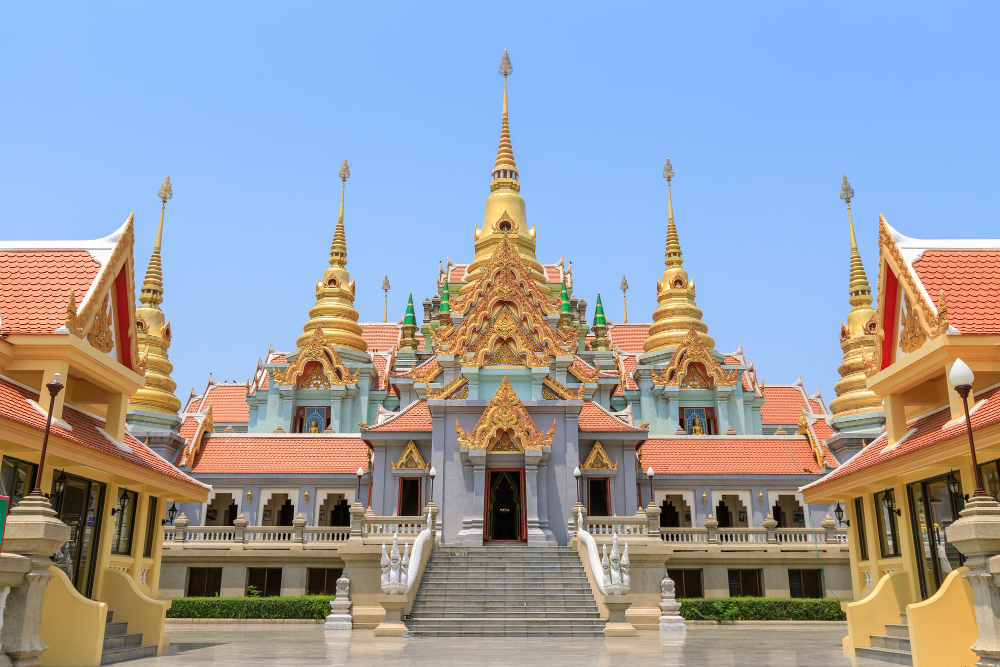
Thai cuisine uses soy sauce alongside fish sauce to create the balanced sweet, salty, sour, and spicy flavors for which it is known. Light soy sauce is especially popular for…
Indonesia is best known for kecap manis, a thick, sweet soy sauce made from fermented soybeans blended with palm sugar and aromatic spices. Its rich, caramel-like flavor distinguishes it from…