You’ve invested in a bottle of aged shoyu or premium tamari, and now it sits on your shelf next to the cheap stuff from the grocery store. The question is can soy sauce actually pair with wine? With cheese? With chocolate?
The answer is yes, and the logic is surprisingly straightforward. Soy sauce is fermented, complex, and umami-rich, qualities it shares with many aged beverages and foods from entirely different culinary traditions. Once you understand the basic principles of pairing, soy sauce becomes far more versatile than its reputation suggests.
Why Soy Sauce Pairs Well Beyond Asian Cuisine
Soy sauce isn’t a condiment limited to dumplings and fried rice. Its fermentation process produces hundreds of flavor compounds, including esters, alcohols, and organic acids that mirror those found in beer, wine, aged cheese, and even dark chocolate.
According to research published in Food Chemistry, more than 300 volatile compounds across 12 chemical classes have been identified in soy sauce, creating a depth that interacts with other fermented or aged products in unexpected ways.
This complexity makes soy sauce a natural partner for Western foods and drinks, particularly those with savory, umami-forward, or slightly sweet profiles, and the key is matching intensity while balancing salt with sweetness, acidity, or bitterness.
Pairing Soy Sauce with Beer
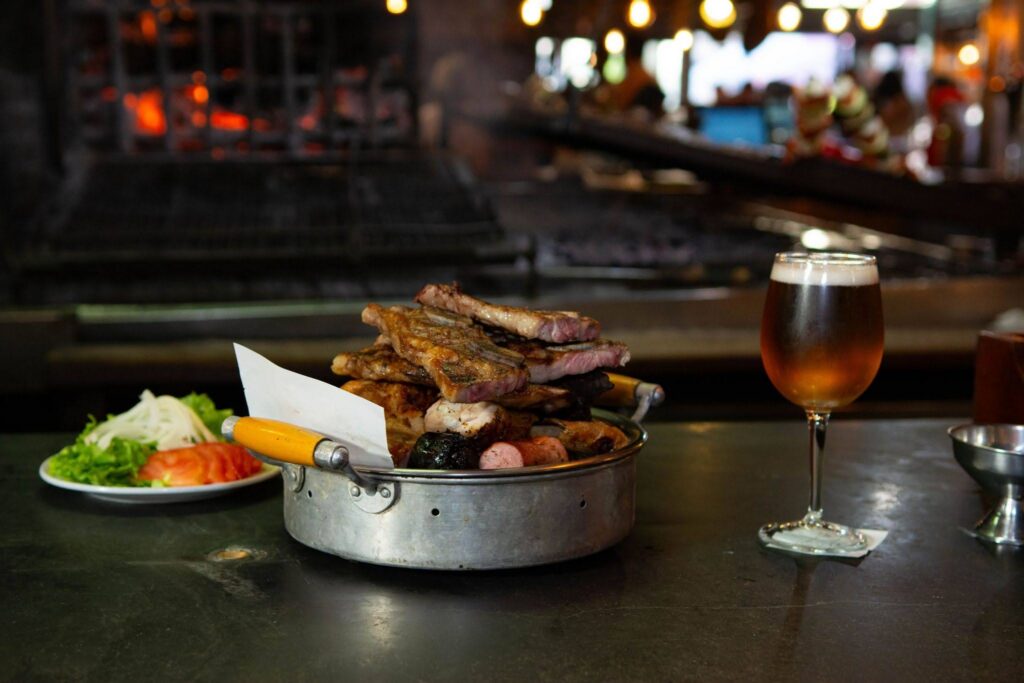
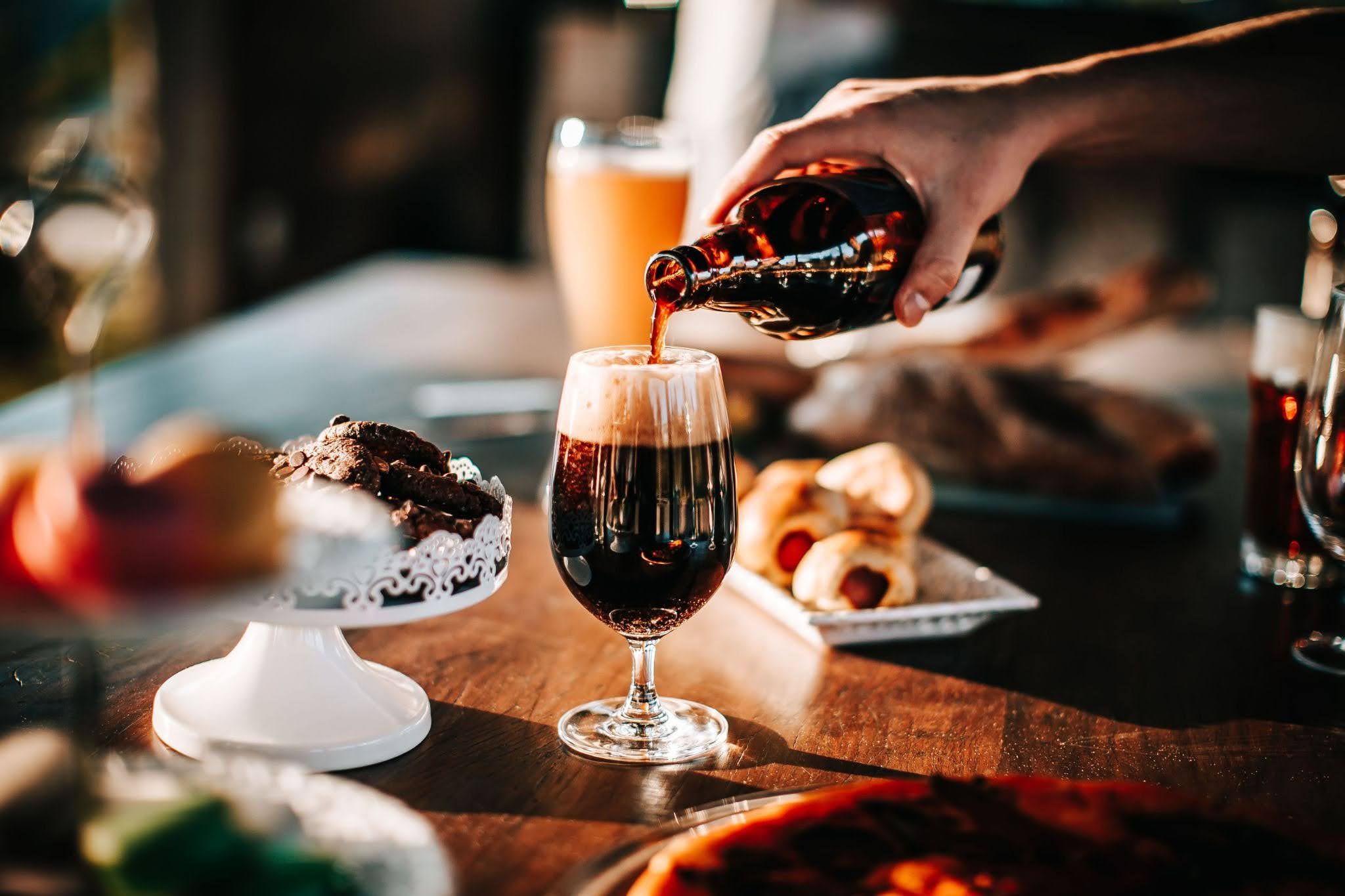
Beer and soy sauce share a common thread: both rely on fermentation and grain as a base. Light koikuchi shoyu pairs well with pale ales and pilsners, where the sauce’s salinity cuts through the beer’s crispness without overpowering it, while richer, maltier beers like stouts or porters work better with aged or barrel-aged soy sauce, as the deeper caramel and molasses notes in both products complement each other naturally.
A practical pairing: drizzle aged shoyu over roasted mushrooms or grilled pork belly and serve with a brown ale, where the umami in the soy sauce amplifies the malt sweetness in the beer while the carbonation cleanses the palate between bites.
Pairing Soy Sauce with Wine
Wine pairing with soy sauce requires attention to tannins, acidity, and body. Light soy sauce works with crisp white wines like Sauvignon Blanc or unoaked Chardonnay, especially when used in vinaigrettes or seafood dishes where the sauce’s salinity mirrors the wine’s minerality, while for red wines, you should avoid heavy tannins since soy sauce’s saltiness can make tannic wines taste bitter.
Instead, opt for lighter reds like Pinot Noir or Gamay, which have enough acidity to balance the sauce’s depth without clashing. Research from the University of Copenhagen’s Department of Food Science found that champagnes with extended yeast contact carry more free glutamate, the same umami compound found in soy sauce, than younger ones, though the amounts stay below the level at which glutamate can be tasted on its own.
Dark soy sauce, with its sweetness and viscosity, pairs surprisingly well with dessert wines or even off-dry Rieslings when used in glazes for duck or pork, where the sweetness in both the sauce and the wine creates a harmonious balance that enhances caramelized proteins.
Pairing Soy Sauce with Cheese
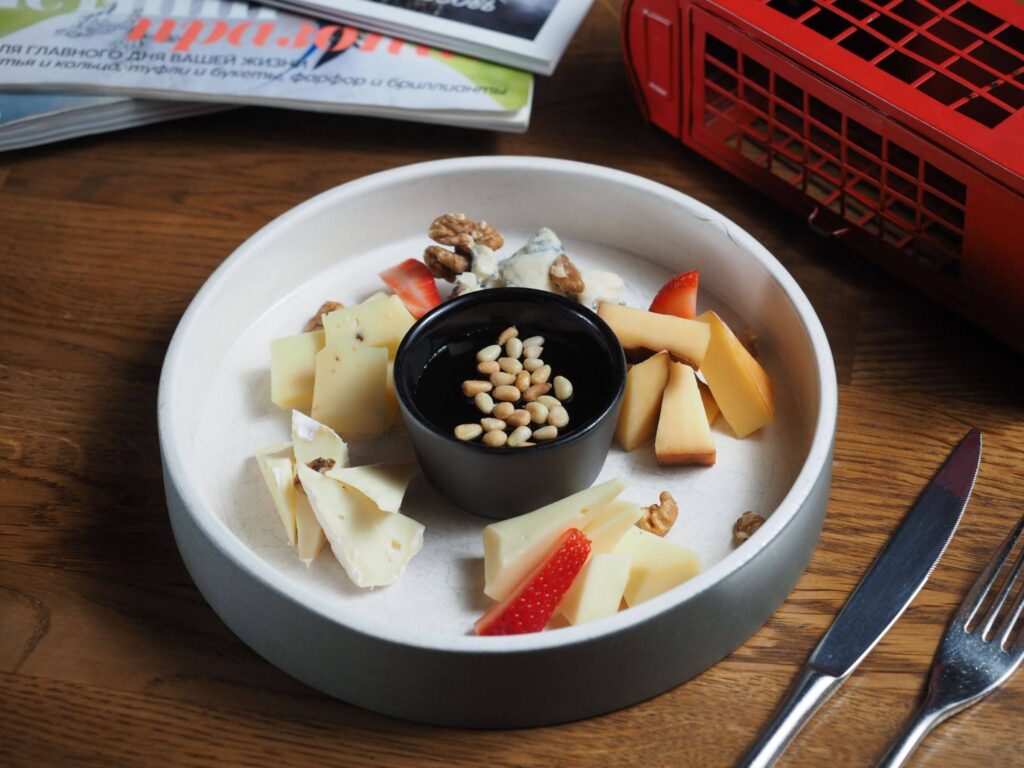
Cheese and soy sauce might seem like an unlikely match, but aged cheeses share fermentation complexity that mirrors that of naturally brewed shoyu. Hard, aged cheeses like Parmigiano-Reggiano, aged Gouda, or Gruyère benefit from a few drops of premium soy sauce, which highlights their nutty, crystalline textures and amplifies umami.
Aged cheeses contain high levels of glutamate, the same compound that gives soy sauce its savory depth, making the pairing a natural extension of flavor science rather than a culinary gimmick.
For a simple experiment, drizzle a small amount of koikuchi or saishikomi over a wedge of aged cheddar or pecorino, where the salt in the soy sauce pulls out the cheese’s sweetness while the fermentation notes in both products create a layered, almost meaty richness. Avoid fresh cheeses like mozzarella or ricotta. They lack the structure and complexity to stand up to soy sauce’s intensity.
Pairing Soy Sauce with Chocolate
Chocolate and soy sauce sound absurd until you taste them together. Dark chocolate, particularly varieties with 70% cacao or higher, contains bitter, roasted notes that align with the toasted wheat and caramelized sugars in naturally brewed soy sauce, and a drop of aged shoyu on a piece of single-origin dark chocolate can highlight fruity or nutty undertones while softening bitterness.
This pairing works best with barrel-aged or double-fermented soy sauces, which have developed sweetness and depth through extended aging, while milk chocolate is too sweet and lacks the bitterness needed to balance soy sauce’s salinity, and white chocolate contains no cacao solids and simply doesn’t work.
Practical Guidelines for Pairing
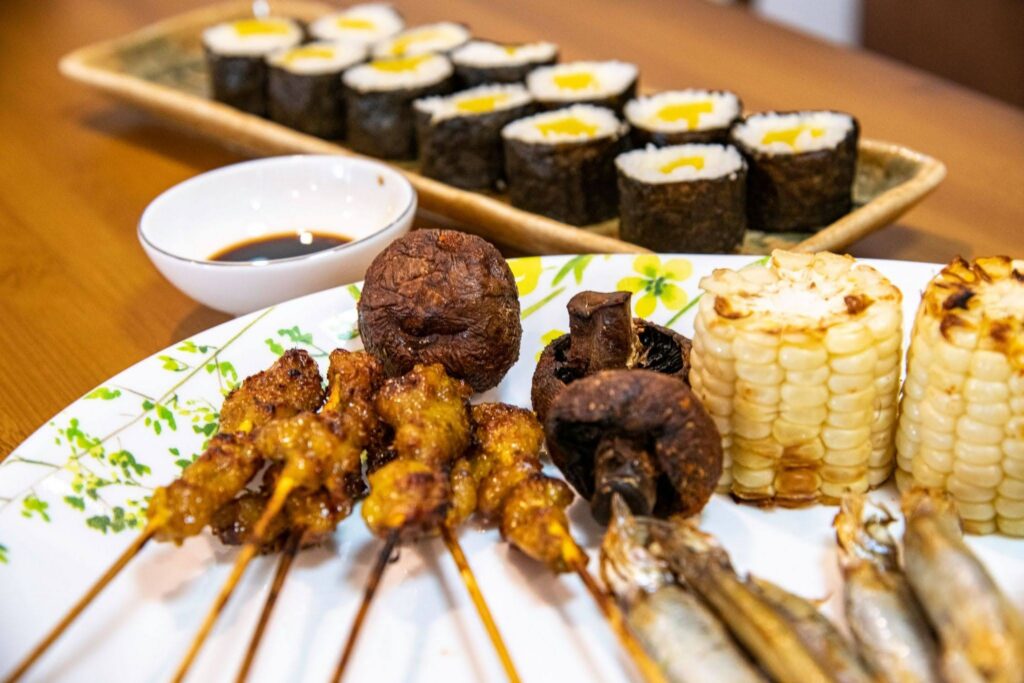
Start with high-quality, naturally brewed soy sauce; chemically produced versions lack the flavor complexity needed for successful pairings. Use soy sauce sparingly as a few drops are enough to enhance rather than dominate, and match intensity by pairing light soy sauce with delicate foods and drinks while using dark or aged soy sauce with bolder flavors. Finally, balance salt with sweetness, acidity, or bitterness in the paired item to avoid overwhelming the palate.
Soy sauce pairing isn’t about novelty; it’s about recognizing fermentation, umami, and balance as universal culinary principles that transcend regional boundaries. Once you understand the logic, the combinations become obvious.