If you think soy sauce is soy sauce, try cooking Chinese fried rice with Japanese shoyu or making teriyaki with Chinese dark soy sauce and you’ll taste the difference immediately. Despite sharing a name in English, Chinese jiangyou, Japanese shoyu, and Korean ganjang are fundamentally different condiments, shaped by distinct ingredient ratios, fermentation methods, and centuries of regional cooking traditions that determine how each culture builds flavor.
Understanding these differences matters because substituting one for another isn’t always neutral. Chinese jiangyou, Japanese shoyu, and Korean ganjang each developed to complement specific cooking techniques and flavor profiles. Using the wrong type can throw off a dish’s balance in ways that salt alone can’t fix.
The Shared Foundation
All three rely on fermentation using koji mold (Aspergillus oryzae) to break down soybeans and grains into amino acids that create umami. All three use similar base ingredients: soybeans, wheat or other grains, salt, and water. And all three undergo a two-stage fermentation process involving koji production followed by brine aging in the moromi mash.
But the ratios, timelines, and production priorities differ enough that each national style tastes distinctly different from the others.
Chinese Jiangyou: Soybean-Forward and Purpose-Built
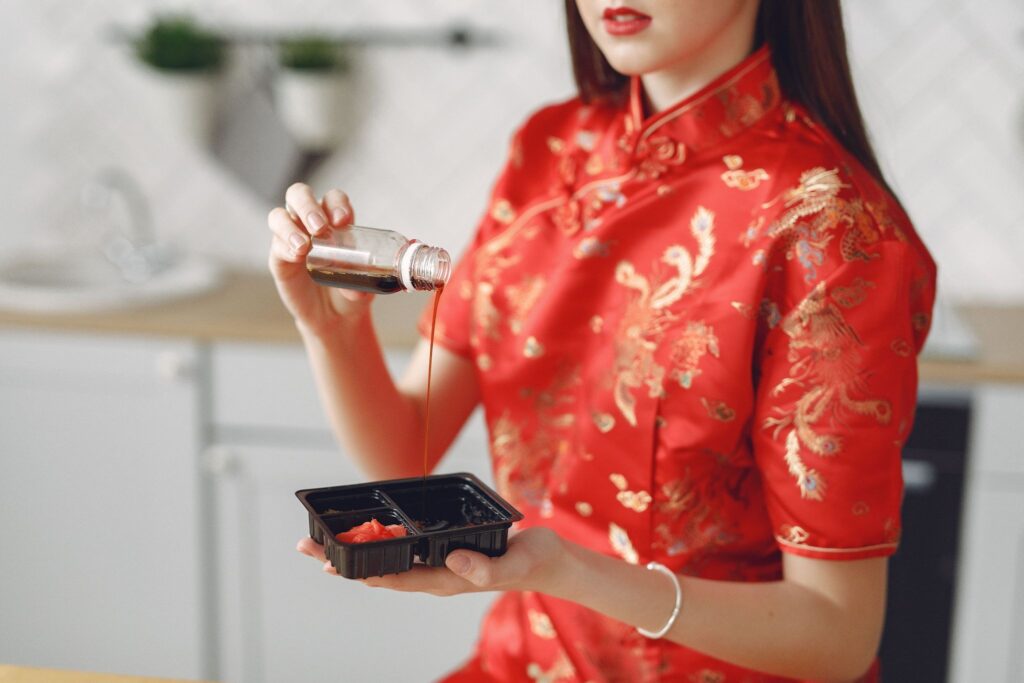
Chinese soy sauce emphasizes soybeans over wheat, typically using ratios that range from 70:30 to 80:20 soybeans to wheat, and sometimes even higher proportions of soybeans. This creates a more pronounced soybean flavor and often a slightly thicker body compared to Japanese varieties.
The Chinese market splits broadly into two categories: light soy sauce (sheng chou) and dark soy sauce (lao chou). Light soy sauce is saltier and used primarily for seasoning during cooking and at the table. Dark soy sauce is aged longer, often with the addition of molasses or caramel, creating a thicker consistency and sweeter profile used mainly for color and depth in braised dishes and stir-fries.
Chinese production also varies by fermentation method. Low-Salt Solid-State fermented soy sauce (LSF) uses higher temperatures and shorter fermentation periods (sometimes as brief as 15 to 30 days) which produces sauce quickly but with less complexity. High-Salt Liquid-State fermented soy sauce (HLF) follows more traditional methods that can take six months or longer, creating more nuanced flavor. LSF dominates the market due to demand and efficiency.
According to UN Comtrade trade data, China exported approximately 198,000 tonnes of soy sauce in 2023, reflecting both massive domestic production and international demand for Chinese-style sauces.
Japanese Shoyu: Balance Through Equal Proportions

Japanese shoyu takes a different approach, built on equal ratios of soybeans and wheat. The most common style, koikuchi shoyu, uses roughly equal quantities of both, accounting for over 80% of domestic production. This balanced ratio creates a more complex flavor profile where wheat contributes sweetness and lighter aromatic compounds that complement the soybean’s umami rather than compete with it.
The wheat is roasted before being mixed with steamed soybeans, adding toasted, almost coffee-like notes to the final product. Japanese production emphasizes longer, slower fermentation (typically six months to a year) though premium artisan varieties age for two to three years.
Japan recognizes five official types of shoyu, each defined by specific ingredient ratios and production methods regulated under Japan Agricultural Standards. Beyond koikuchi (dark shoyu), there’s usukuchi (light-colored but saltier), tamari (minimal or no wheat), saishikomi (double-fermented for intense flavor), and shiro (white shoyu, with up to 90% wheat for pale color and mild sweetness).
This balanced approach produces a sauce that’s simultaneously salty, sweet, and aromatic—ideal for both cooking and finishing applications, from dashi-based soups to teriyaki glazes.
Korean Ganjang: Traditional Methods and Modern Adaptations
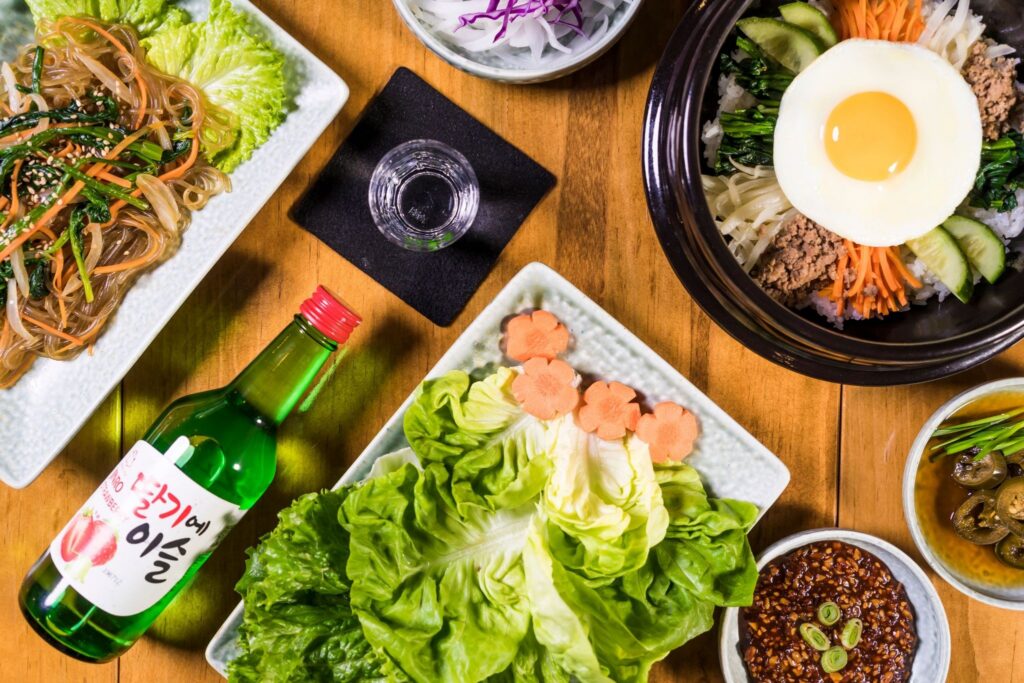
Korean soy sauce presents perhaps the most complex picture because it exists in two distinct forms: traditional guk-ganjang (soup soy sauce) and modern yangjo-ganjang (brewed soy sauce).
Traditional guk-ganjang derives from meju blocks which are fermented soybean bricks that also produce doenjang (soybean paste). This centuries-old method creates an intensely savory, lighter-colored sauce that’s saltier than both Chinese and Japanese varieties. Guk-ganjang is made primarily from soybeans with little to no wheat, resulting in a clean, focused soybean flavor without the aromatic complexity that wheat contributes.
Modern yangjo-ganjang, developed in the 20th century as Korea industrialized, follows methods more similar to Japanese shoyu, incorporating wheat and using controlled koji fermentation. These newer styles are sweeter and more balanced than traditional guk-ganjang, making them more versatile for contemporary Korean cooking.
As William Shurtleff and Akiko Aoyagi document in their extensive histories of soy sauce and soyfoods across East Asia, these regional soy sauces developed distinct characters over centuries: Korean guk-ganjang typically appears lighter in color and tastes saltier, Japanese shoyu commonly incorporates both soybeans and wheat in its brewing, and Chinese jiangyou often emphasizes a stronger soybean-forward profile—reflecting culinary evolution shaped by local ingredients, climate, and taste preferences.
When to Use Which
For Chinese cooking, especially Cantonese and Sichuan styles, light Chinese soy sauce provides the salt and umami foundation while dark soy sauce adds color and subtle sweetness to braises and stir-fries. Using Japanese shoyu in these dishes works in a pinch but often results in a slightly sweeter, less assertive profile that can throw off traditional flavor balances.
For Japanese cooking—particularly in dashi-based soups, nimono (simmered dishes), and teriyaki—shoyu’s balanced sweetness and aromatic complexity is essential. Chinese light soy sauce can substitute, but the dish will taste saltier and less nuanced. Korean yangjo-ganjang works reasonably well as a Japanese shoyu substitute given their similar production methods.
For Korean cooking, the choice depends on the dish. Traditional recipes calling for guk-ganjang (like miyeok-guk or jjigae) need that clean, intensely savory character—substituting shoyu or Chinese soy sauce will muddy the flavor with unwanted sweetness and aromatic complexity. For modern Korean recipes or marinades, yangjo-ganjang’s balanced profile means Japanese shoyu makes a reasonable substitute.
What Labels Reveal
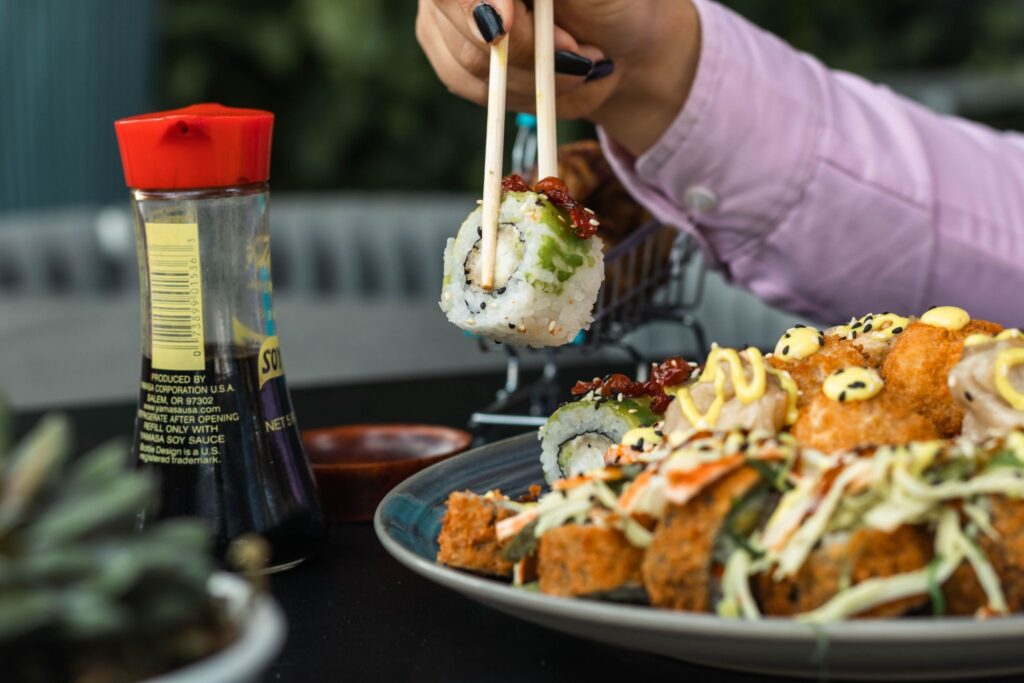
Ingredient lists reveal more than country of origin. Naturally brewed soy sauces (regardless of nationality) list only soybeans (or defatted soybean meal), wheat, salt, and water. Some may include alcohol as a preservative. Any additional ingredients like hydrolyzed vegetable protein, caramel color, corn syrup, or monosodium glutamate (MSG) indicate chemically accelerated production or flavor enhancement.
The wheat-to-soybean ratio rarely appears on labels but significantly affects flavor. If a sauce lists wheat or wheat flour early in the ingredient list (particularly before soybeans), it likely follows Japanese-style proportions. If soybeans dominate and wheat appears later or not at all, expect Chinese or Korean-style profiles.
Regional Cuisines Evolved These Differences for a Reason
Soy sauce isn’t a monolith, and the differences between Chinese, Japanese, and Korean varieties reflect centuries of culinary refinement within distinct food traditions. Chinese cooks developed soybean-heavy sauces for wok cooking that could stand up to high heat and bold aromatics. Japanese cooks created balanced shoyu to harmonize with delicate dashi and seasonal ingredients. Korean cooks maintained both intensely savory traditional ganjang and developed modern versions that bridge old and new cooking styles.
Can you substitute one for another? Sometimes, with adjustments. Should you? Not if you want dishes to taste the way they’re meant to. Understanding these differences doesn’t just make you a more informed shopper—it makes you a better cook, one who respects the logic behind traditional recipes and knows when breaking “the rules” works and when it doesn’t.