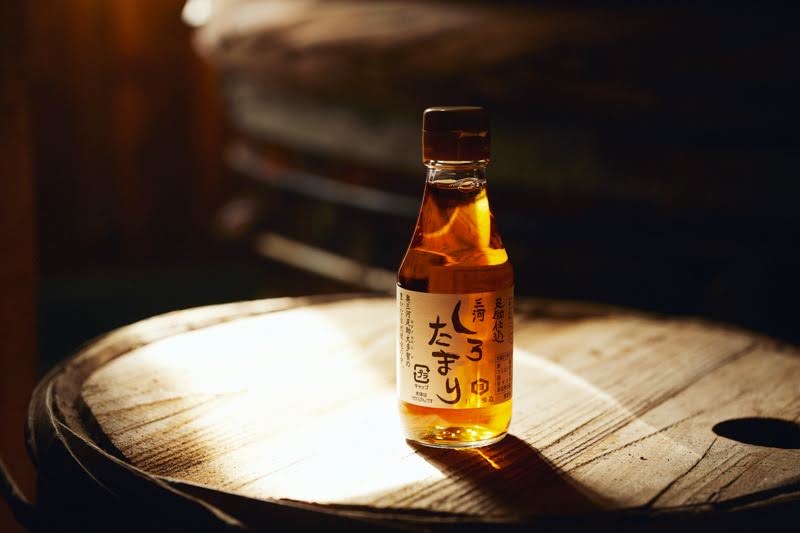
You’re halfway through prep. The wok is heating. Aromatics are ready. You reach for the soy sauce and the bottle is empty.
Now what?
The instinct is to grab something else and hope for the best. But not all substitutes work the same way. Some mimic soy sauce’s umami and salinity reasonably well. Others fall short on flavor, texture, or function. And in certain dishes, no substitute will do.
This guide ranks the five most reliable soy sauce alternatives and explains exactly when they work—and when they don’t.
1. Tamari: The Closest Match
Tamari is a Japanese fermented soy product traditionally made as a byproduct of miso production. Most tamari today is brewed specifically as a sauce and contains little to no wheat, making it a common choice for people avoiding gluten, though only bottles labeled gluten-free have been verified as such.
Japan’s Ministry of Agriculture, Forestry and Fisheries lists tamari as one of five recognized soy sauce categories, made from soybeans and only a small amount of wheat, and aged longer than koikuchi. That high soybean ratio is what concentrates its umami. Koji enzymes break soybean protein into free amino acids during fermentation, and tamari starts with more protein to work with.
Substitution ratio: Use tamari in equal amounts as soy sauce.
Best for: Dipping sauces, marinades, stir-fries, and dishes where you want a rich, clean umami flavor.
When not to use it: If you need the specific lighter, wheat-forward flavor of Japanese koikuchi shoyu for delicate dishes like chawanmushi or clear soups.
2. Coconut Aminos: The Soy-Free Option
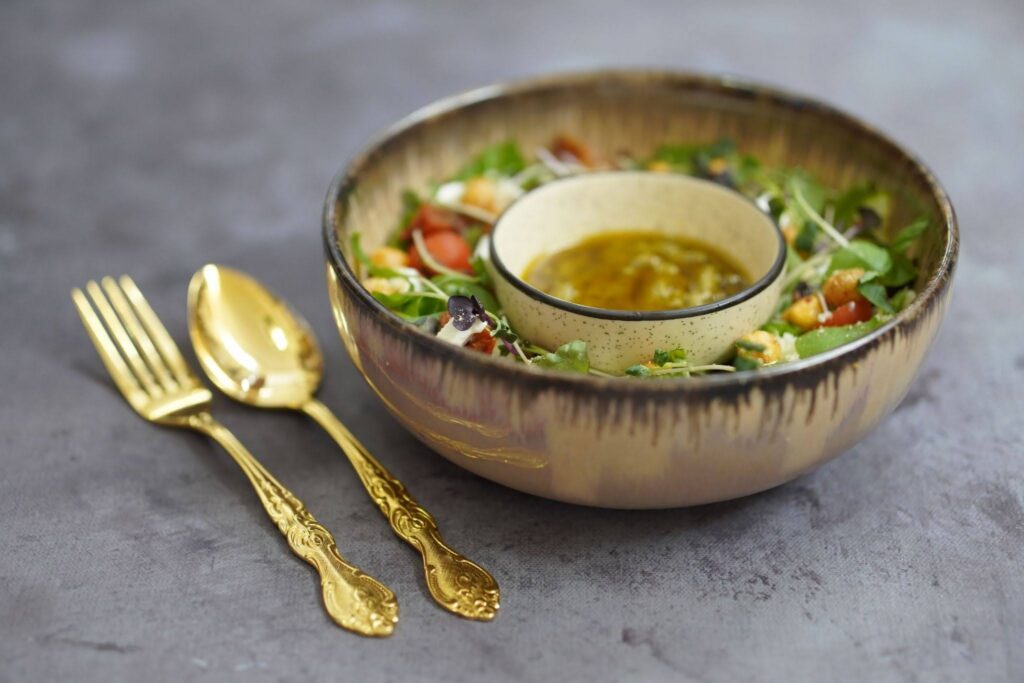
Coconut aminos are made from the fermented sap of coconut trees, blended with sea salt. They’re naturally soy-free and gluten-free, with a milder, slightly sweeter profile than soy sauce.
That sweetness isn’t incidental. The sap ferments on its own sugars without a koji step, so the finished sauce never develops the roasted, malty depth that soybeans and wheat contribute to brewed soy sauce.
Substitution ratio: Use slightly more than the soy sauce amount called for, as coconut aminos are less salty and more subtle.
Best for: Salad dressings, light marinades, and dishes where a touch of sweetness works well.
When not to use it: In traditional Chinese or Japanese recipes where the fermented soy flavor is essential. Coconut aminos won’t replicate the depth or complexity.
3. Liquid Aminos: The Protein-Forward Alternative
Liquid aminos are made from non-fermented soybeans treated with an acidic solution to break down proteins into amino acids. Unlike fermented soy sauce, they’re produced quickly without aging.
A review of soy sauce chemistry published in the Journal of Agricultural and Food Chemistry found that products made by traditional fermentation and those made by acid hydrolysis carry contrasting flavor profiles, differing in both taste and aroma. Acid hydrolysis frees up amino acids, but it skips the microbial activity that generates soy sauce’s esters, phenols and other aromatic compounds. The result is a salty, savory liquid with a straightforward umami punch but less complexity.
Substitution ratio: Use equal amounts, but expect a less nuanced flavor.
Best for: Quick stir-fries, casual marinades, and situations where you need salt and umami without concern for depth.
When not to use it: In dipping sauces, delicate broths, or any dish where you want layered, fermented character. Liquid aminos taste flat by comparison.
4. Worcestershire Sauce: The Emergency Backup
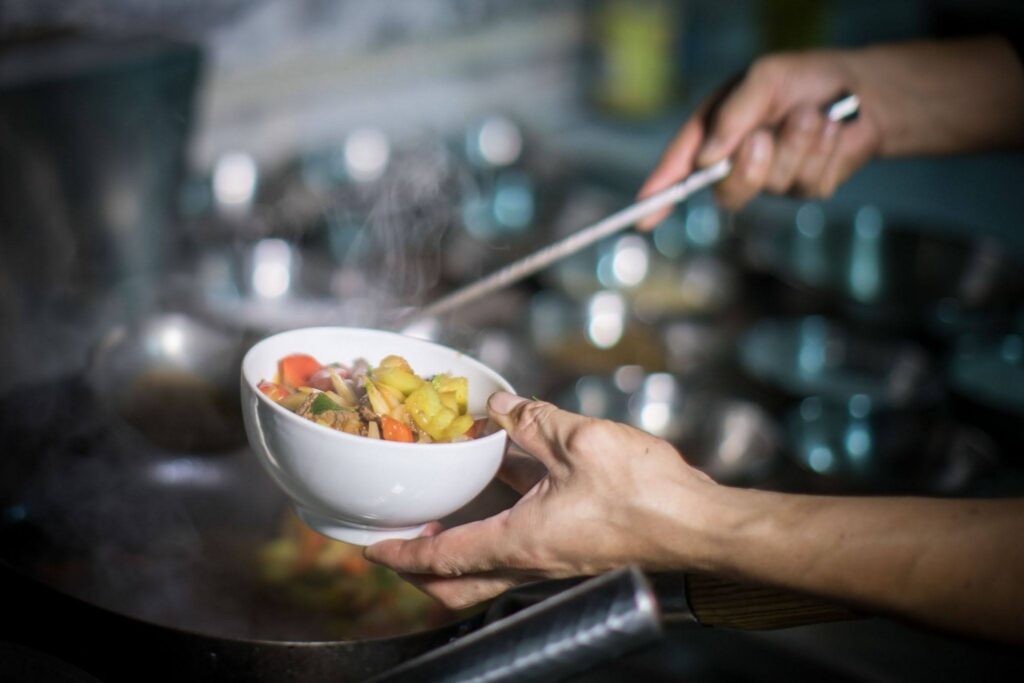
Worcestershire sauce is a fermented condiment made from anchovies, vinegar, molasses, tamarind and spices. It’s tangy, slightly sweet and umami-rich, but it’s not soy sauce. Two Worcester chemists brought it to market in 1837, and they built it for a British table. The flavor profile skews more acidic and complex in ways that don’t always align with East Asian cooking.
Substitution ratio: Use half the amount and add a pinch of salt, as Worcestershire is less salty and more acidic.
Best for: Western-style marinades, emergency stir-fries, or dishes where a tangy-savory note works.
When not to use it: In Japanese or Korean dishes, sushi rice seasoning, or any recipe where soy sauce’s clean salinity is the point. The vinegar and tamarind will dominate.
5. Fish Sauce + Water: The Umami Workaround
Fish sauce is intensely savory and salty, made from fermented anchovies. Diluted with water, it can approximate soy sauce’s umami and salinity, though the flavor leans more toward the sea than fermented soybeans. Research published in The Journal of Nutrition demonstrates that both fish sauce and soy sauce contain high levels of glutamate, responsible for umami taste, though fish sauce also contains different concentrations of nucleotides and amino acids that create its characteristic oceanic flavor profile.
Substitution ratio: Use one part fish sauce to two parts water, adjusting for salt as needed.
Best for: Southeast Asian stir-fries, soups, and dishes where a briny umami note is acceptable.
When not to use it: In Japanese, Chinese, or Korean recipes where soy sauce’s specific flavor is central. Fish sauce introduces a different aromatic profile that can clash.
When NOT to Substitute at All
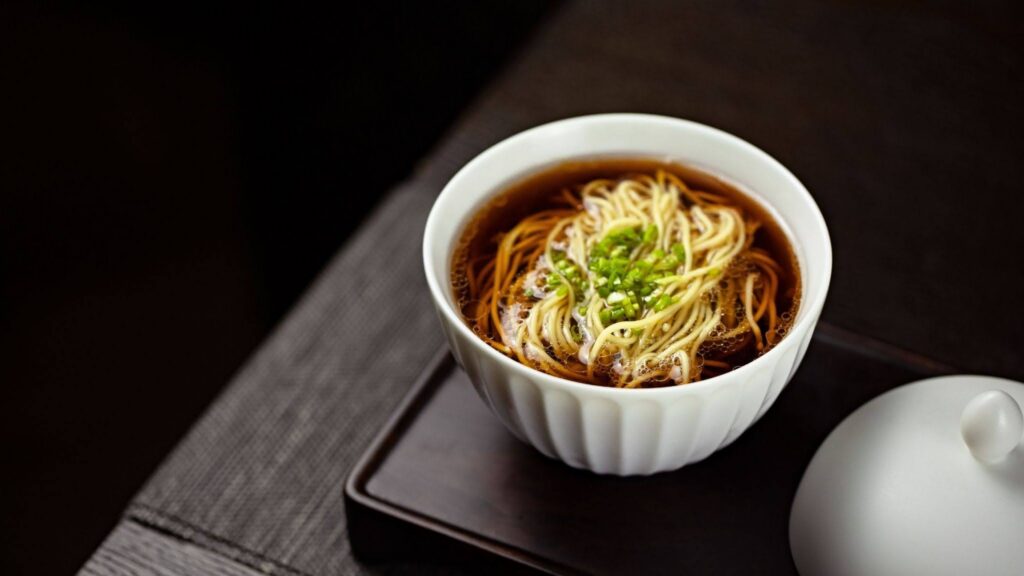
Some dishes depend entirely on soy sauce’s unique fermented character. Sushi rice, shoyu ramen broth, ganjang gejang (Korean soy-marinated crab), and Chinese red-braised pork are built around soy sauce. Substitutes won’t deliver the intended result.
In these cases, the best choice is to wait until you have soy sauce—or choose a different dish.
Final Guidance
Substitutes exist for convenience and dietary necessity, not to replicate soy sauce perfectly. Tamari comes closest. Coconut aminos work for soy-free diets. Liquid aminos and Worcestershire sauce function in a pinch. Fish sauce provides umami, but changes the dish.
Understanding when each substitute works (and when it doesn’t) keeps your cooking on track even when the bottle runs dry.