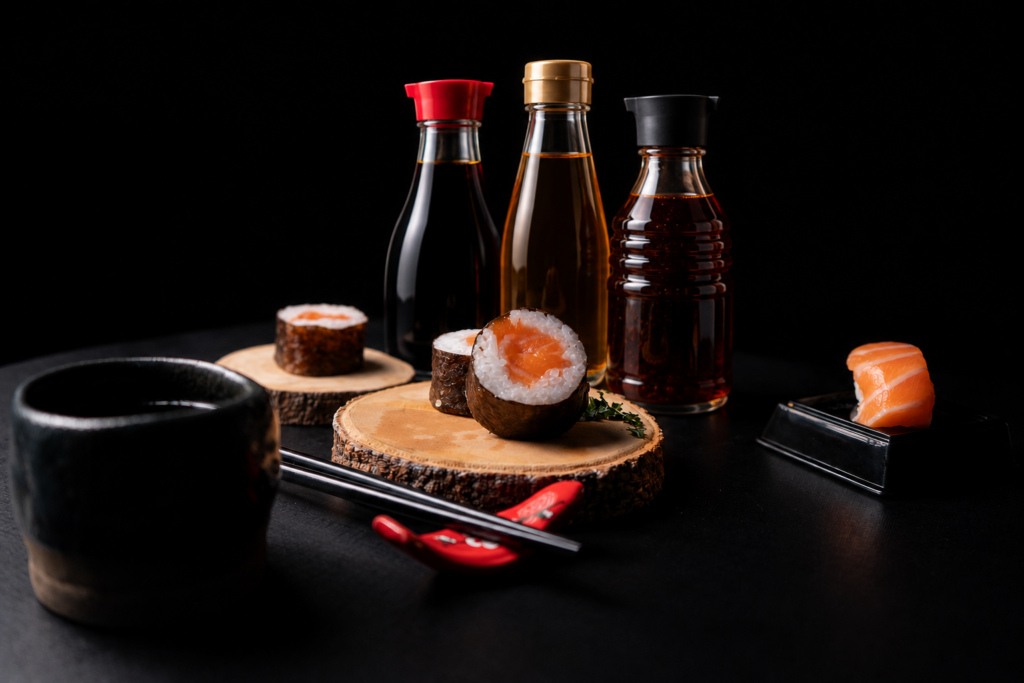
If you think all soy sauce tastes the same, you haven’t cooked with Japanese shoyu. Walk into a Japanese supermarket, and you’ll find an entire aisle dedicated to soy sauce varieties with some deeply dark, others pale and golden, some thick and syrupy, others thin and sharp. Each one exists for a reason, and using the wrong type can throw off an entire dish.
Japan doesn’t mess around with soy sauce. It’s the country’s most essential seasoning, and its categorization system reflects centuries of regional refinement and culinary precision. The Japanese Agricultural Standards (JAS), which assumed its current status in 1970, recognizes five basic varieties of shoyu. These categories, koikuchi, usukuchi, tamari, saishikomi, and shiro, aren’t arbitrary but based on ingredient ratios, fermentation methods, and regional culinary needs.
Understanding these five types transforms how you cook Japanese food, marking the difference between a dish that tastes flat and one that sings.
Koikuchi Shoyu: The Standard-Bearer
Koikuchi, or dark soy sauce, is what most people mean when they say “soy sauce” in Japan. It accounts for about 80% of all soy sauce produced in the country, according to the Japan Soy Sauce Information Center. If you’ve bought Japanese soy sauce without specifying a type, you probably bought koikuchi.
Koikuchi is made from roughly equal parts soybeans and wheat, fermented for six months to a year. The result is a balanced soy sauce with moderate color, rounded umami, and a touch of sweetness; neither too salty nor too mild, neither too dark nor too light.
This versatility makes koikuchi the workhorse of Japanese cooking, functioning as a dipping sauce for sashimi, a seasoning for grilled fish, a base for teriyaki glaze, and a finishing touch for ramen. It works in marinades, stir-fries, and simmered dishes without dominating other flavors.
The flavor profile includes roasted grain notes from the wheat, deep umami from fermented soybeans, and a slight acidity that brightens rather than sours. Quality koikuchi should taste clean, with no harsh chemical bite or excessive saltiness.
Brands like Kikkoman and Yamasa produce widely available koikuchi that performs reliably in most applications. Artisan producers make versions with more complexity, longer aging, and richer aromatic profiles, but standard koikuchi remains one of the most dependable seasonings in any kitchen.
Usukuchi Shoyu: Light in Color, Not in Salt
Usukuchi, or light soy sauce, confuses people. The name suggests it’s lower in sodium but it’s actually saltier than koikuchi. “Light” refers to color, not salt content.
Usukuchi represents around 10% of domestic production in Japan, according to the Japan Soy Sauce Information Center. It’s a regional specialty that originated in the Kansai area, particularly around Kyoto, where preserving the natural color of ingredients matters in traditional kaiseki cuisine.
Usukuchi is made with more wheat and less soybeans than koikuchi, and it’s fermented for a shorter period, sometimes as little as a few months. Producers also add amazake (a sweet fermented rice drink) or mirin during production, which lightens the color and adds a subtle sweetness, while the higher salt content acts as a preservative and keeps the sauce from darkening.
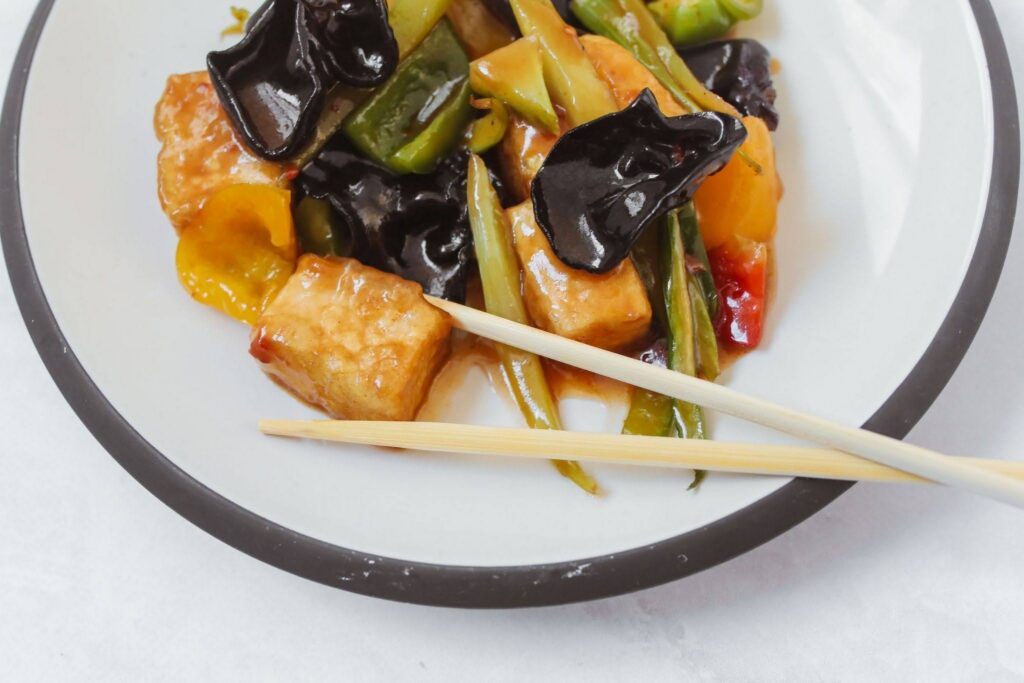
The result is a pale amber liquid with a sharper, cleaner taste than koikuchi as it seasons without masking. Chefs use it in clear soups, simmered vegetables, and steamed dishes where they want salty depth but not the caramel-brown tint of darker soy sauces.
Usukuchi is particularly useful for dishes featuring white fish, tofu, or delicate seasonal vegetables, letting the ingredient speak while providing the umami backbone that Japanese cooking relies on.
Because of its higher sodium content, usukuchi requires a lighter hand, substituting it one-to-one for koikuchi will oversalt a dish. Use it sparingly, or dilute it slightly with dashi or water.
Tamari: Thick, Rich, and (Mostly) Wheat-Free
Tamari is the soy sauce that made Japanese brewing famous before koikuchi became the national standard. Historically, tamari was the liquid byproduct of miso production, the dark, protein-rich liquid that pooled at the bottom of miso barrels.
Modern tamari is brewed intentionally, using little to no wheat and made almost entirely from soybeans, which gives it a thicker consistency, darker color, and more concentrated umami than koikuchi. The fermentation process can last a year or longer.
The flavor is bold and slightly viscous, with pronounced soy character and less of the bright, wheaty sweetness found in koikuchi. Tamari has a rounder, deeper taste that lingers on the palate.
Because most tamari contains no wheat, it’s naturally gluten-free, making it a go-to option for people with celiac disease or gluten sensitivity. However, not all tamari is wheat-free as some producers add a small amount of wheat for complexity, so checking labels is essential.
Tamari works particularly well as a dipping sauce for sashimi and sushi, where its richness complements raw fish without overpowering it. It’s also excellent for grilling, as its thicker consistency clings to meat and vegetables better than thinner soy sauces. Brushing tamari on yakitori skewers or glazing salmon creates a glossy, caramelized finish.
In cooking, tamari adds weight; it’s less about brightness and more about depth. Use it in braises, stews, or any dish where you want a stronger soy presence.
Saishikomi Shoyu: The Double-Brewed Powerhouse
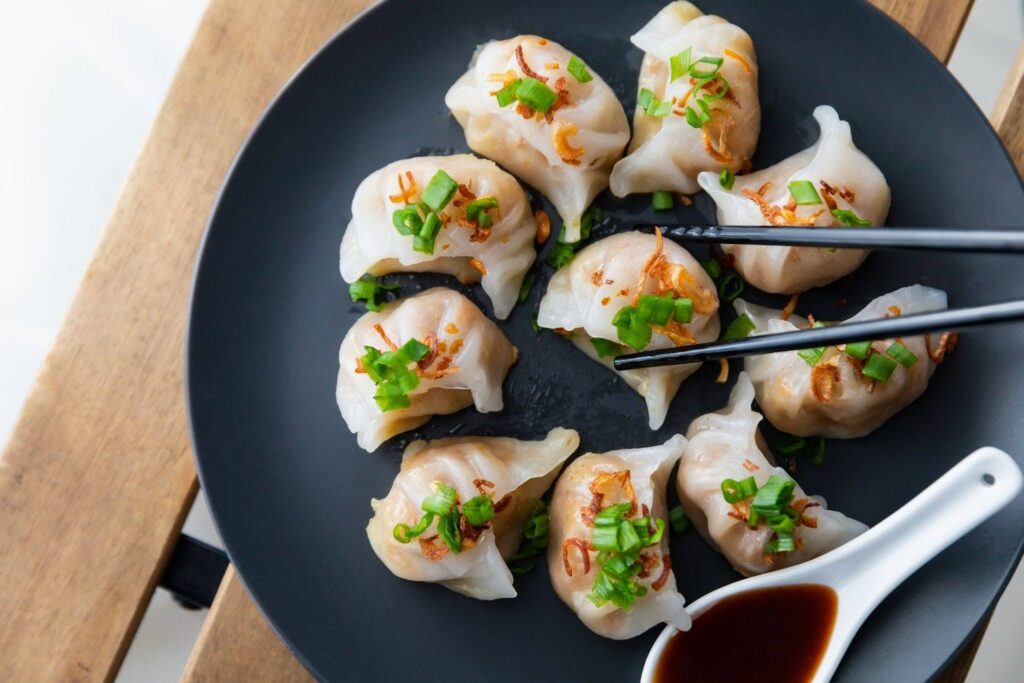
Saishikomi, or twice-brewed soy sauce, is shoyu taken to its logical extreme. Instead of mixing koji with saltwater brine, producers mix it with raw koikuchi, resulting in soy sauce brewed in soy sauce.
This double fermentation creates an intensely flavored product with concentrated umami, noticeable sweetness, and a syrupy texture. Saishikomi is darker and richer than koikuchi, with layered complexity that unfolds slowly on the tongue.
The process takes longer and costs more, which is why saishikomi represents a small fraction of Japan’s soy sauce production. It’s a specialty product, often made by smaller regional brewers who cater to customers seeking something beyond standard koikuchi.
Saishikomi shines as a finishing sauce rather than a cooking ingredient. Its bold flavor and thick consistency make it ideal for drizzling over sushi, tofu, or grilled fish. It works beautifully as a dipping sauce for dumplings or tempura where its richness balances fried textures.
Cooking with saishikomi can overwhelm a dish, so its intensity works best when added at the end, where it can stand out rather than blend in. Think of it as a condiment rather than a seasoning, something to highlight, not hide.
Shiro Shoyu: The Pale Outlier
Shiro, or white soy sauce, is the lightest of the five types in both color and flavor. It’s made with a reversed ingredient ratio,mostly wheat and very little soybean, and fermented for only a few months. The result is a pale golden liquid with a delicate, slightly sweet taste and subtle umami.
Shiro originated in the Aichi Prefecture, particularly around the city of Hekinan, and remains a regional specialty that’s less common than the other four types, even in Japan.
The flavor profile emphasizes wheat over soy, creating a lighter, almost floral quality. Shiro has less salinity than koikuchi or usukuchi, and its sweetness comes from the high wheat content rather than added sugar.
Chefs use shiro in dishes where they want seasoning without color, and it’s particularly popular in Kansai-style cooking, where preserving the visual purity of ingredients matters. Clear broths, steamed custards, and pickles benefit from shiro’s ability to season without darkening.
Shiro also works in Western-style applications. Its mild, slightly sweet profile makes it useful in vinaigrettes, marinades, and sauces where traditional soy sauce would be too heavy or dark. Some chefs use it in desserts where its umami adds unexpected depth without overwhelming sweetness.
Because shiro is so mild, it requires a heavier hand than other types, focusing less on bold flavor and more on subtle enhancement.
Choosing the Right Shoyu for the Job
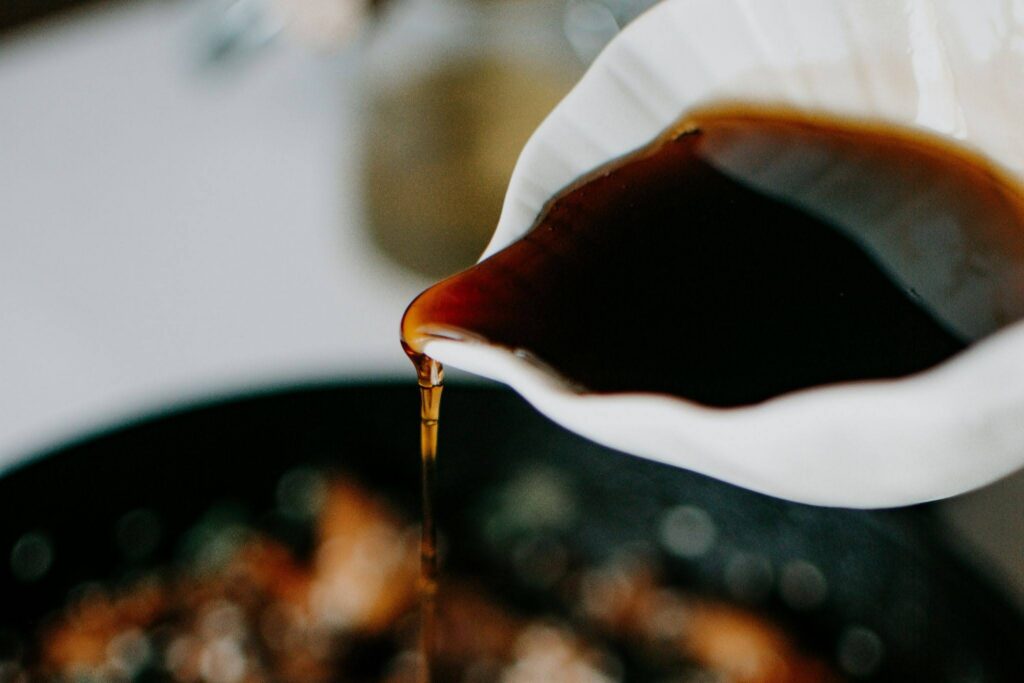
Each of the five types serves a distinct purpose; koikuchi is the all-purpose workhorse, usukuchi preserves color while adding salt and umami, tamari delivers concentrated soy flavor and works for gluten-free cooking, saishikomi provides intense, layered complexity as a finishing sauce, and shiro seasons delicately without altering appearance.
Understanding these differences changes how you approach Japanese cooking. It’s not about having all five types in your pantry at once; most Japanese home cooks keep koikuchi and maybe one other variety on hand. But knowing which type a recipe calls for, and why, leads to better results.
Start with koikuchi as your foundation. Once you’re comfortable with it, explore usukuchi for lighter dishes or tamari for richer ones. Saishikomi and shiro are specialty players, worth seeking out once you’ve mastered the basics.
The five types of Japanese soy sauce aren’t a gimmick. They represent a culinary culture that takes seasoning seriously, where the right condiment applied correctly can elevate a simple bowl of rice into something worth savoring. Knowing the difference between koikuchi and usukuchi, or when to reach for tamari instead of saishikomi, isn’t about snobbery but about precision, respect for ingredients, and cooking with intention.