You’ve seen it on the shelf next to regular soy sauce, often with a prominent “gluten-free” label suggesting it’s a health-conscious alternative. But tamari isn’t soy sauce with something removed, it’s a distinct fermented seasoning with its own centuries-old tradition, production method, and flavor profile that predates the soy sauce most people recognize today.
The gluten-free question is legitimate, but it’s only part of the story. And despite what many labels imply, not all tamari is wheat-free.
The Soybean-Forward Japanese Soy Sauce
Tamari is a Japanese soy sauce made predominantly or entirely from soybeans, with little to no wheat. According to William Shurtleff and Akiko Aoyagi in History of Soy Sauce, Shoyu, and Tamari, “Tamari-Shoyu, a close relative of Chinese soy sauce, is made with a large percentage of soybeans (80–100%) and little or no wheat (0–20%).”
This soybean-forward ratio distinguishes tamari from koikuchi shoyu, Japan’s most common soy sauce, which uses roughly equal parts soybeans and wheat. The ingredient difference creates a thicker, darker sauce with richer umami flavor and less of the bright, aromatic sweetness that wheat contributes to standard shoyu.
Tamari is recognized as one of the five official types of Japanese soy sauce under Japan Agricultural Standards, representing roughly 2% of domestic production, making it a specialty product rather than an everyday staple.
The Miso Connection
Tamari originated as a miso byproduct. The name derives from the Japanese verb tamaru, meaning “to accumulate” during miso fermentation, dark liquid would pool at the bottom of barrels. Japanese brewers eventually began producing this protein-rich liquid intentionally, brewing tamari as a standalone product. Traditional production remains concentrated in central Japan, particularly around Nagoya, where miso brewing has deep historical roots.
What Tamari Is Made From
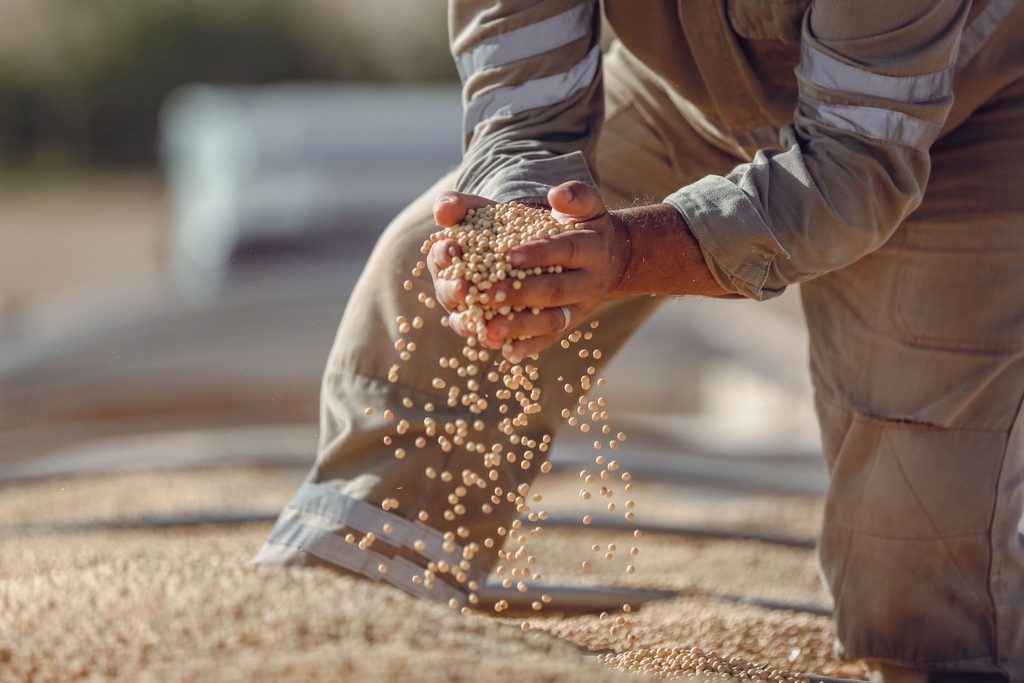
Tamari ingredients are simple: soybeans, koji mold (Aspergillus oryzae), salt, and water. The soybean-only fermentation (with minimal or no wheat) distinguishes tamari from other soy sauces and creates its characteristic thick consistency and concentrated amino acid profile.
Producers steam soybeans, inoculate them with koji to break down proteins into amino acids, then mix the koji-covered soybeans with saltwater brine. This moromi mash ferments for at least six months, often longer. After fermentation, producers press the liquid from solids and typically pasteurize to stabilize flavor.
Is Tamari Always Gluten-Free?
No. Tamari can be gluten-free, and many brands are, but the answer isn’t automatic.
Traditional tamari made solely from soybeans, koji, salt, and water contains no gluten. However, some producers add a small percentage of wheat, typically 5% to 10%, to round out the flavor. This wheat addition keeps the sauce in the tamari category but eliminates the gluten-free benefit.
The problem is consumer expectation. In Western markets, tamari has become synonymous with gluten-free soy sauce, leading many shoppers to assume all tamari is wheat-free. In Japan, tamari is simply recognized as a distinct shoyu style, the gluten-free angle is not the defining characteristic.
If you need gluten-free tamari, read labels carefully. Look for explicit “gluten-free” certification or check the ingredient list. If wheat appears anywhere, the product isn’t celiac-safe.
Reputable gluten-free brands include San-J, which produces certified gluten-free tamari widely available in grocery stores, and Kikkoman’s gluten-free tamari line. Both clearly mark their wheat-free products and maintain production practices that prevent cross-contamination.
Does Tamari Taste Different Than Soy Sauce?
Yes. Tamari has a richer, more viscous texture as it clings to food rather than running off. The flavor is deeper and more rounded, with pronounced umami and less of the sharp, salty brightness that defines lighter soy sauces. There’s minimal sweetness and fewer aromatic top notes because wheat contributes both.
Standard soy sauce tastes lighter and more balanced, with wheat’s carbohydrates adding subtle sweetness and complex aromatic compounds. Tamari tastes more direct; pure soy intensity without competing flavors.
What Is Tamari Used For?
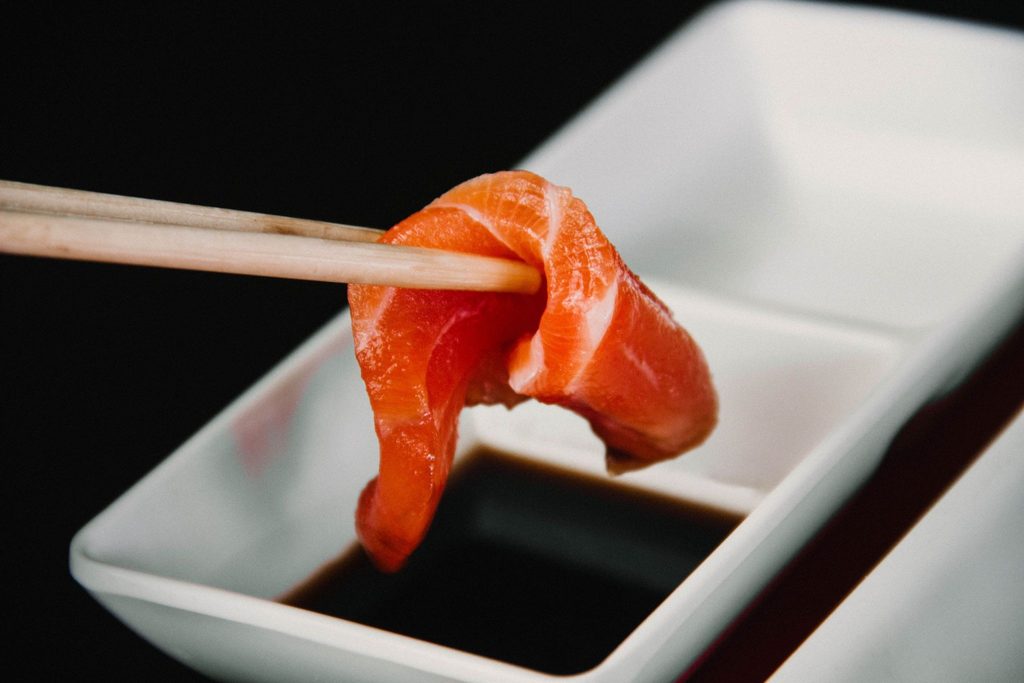
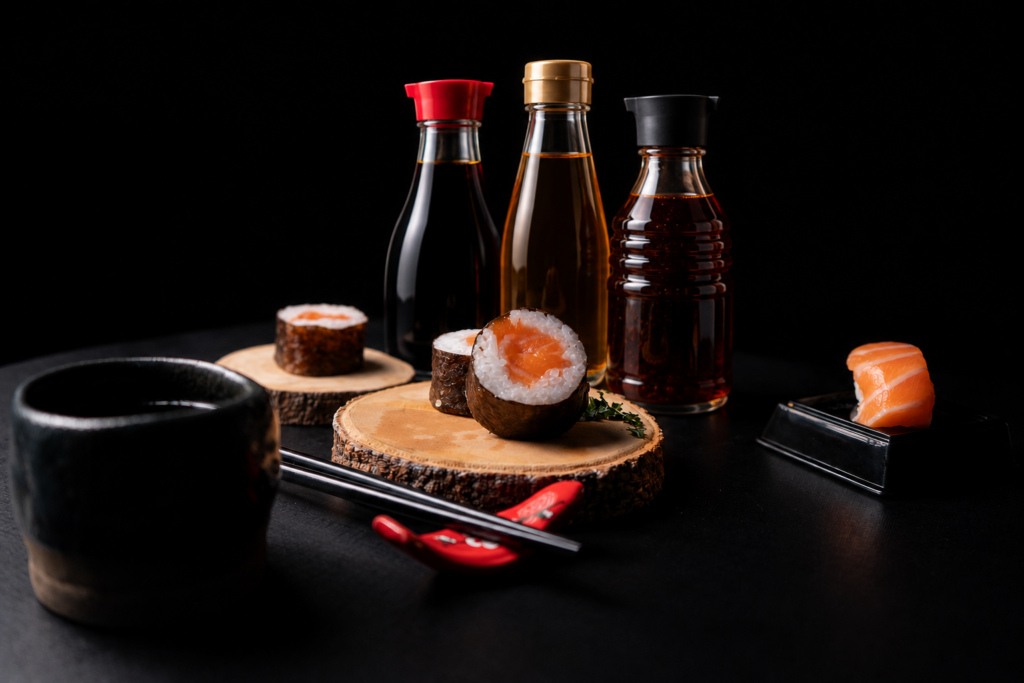
As a dipping sauce, tamari’s viscosity makes it ideal for sashimi, sushi, and dumplings. Many traditional sushi restaurants in Japan use tamari specifically for sashimi, valuing its richness over standard shoyu’s brightness.
For grilling and glazing, tamari’s thickness creates excellent caramelization. Brushing it on yakitori skewers, salmon fillets, or roasted vegetables produces a glossy, flavorful coating that standard soy sauce can’t replicate.
In stir-fries and braises, tamari adds weight and depth—particularly effective with mushrooms, eggplant, bok choy, and other hearty vegetables that can stand up to bold flavors.
Can I Use Tamari Instead of Soy Sauce?
You can, but the substitution isn’t neutral. Tamari will make dishes taste richer and less bright, with more soy character and reduced aromatic complexity.
In Japanese cooking, where precise balance between soy sauce, mirin, and dashi defines many dishes, using tamari instead of koikuchi will noticeably alter the flavor profile. For Chinese cooking, tamari can approximate dark soy sauce in some applications, particularly where color and body matter.
Is Tamari Healthier Than Soy Sauce?
No. Tamari contains roughly the same sodium levels as standard soy sauce; one tablespoon typically contains 900 to 1,000 milligrams of sodium. The primary difference is gluten, not calories, fat, protein, or overall health benefits. If you don’t need to avoid gluten, choosing tamari over regular soy sauce is a flavor decision, not a health decision.
Choosing Quality Tamari
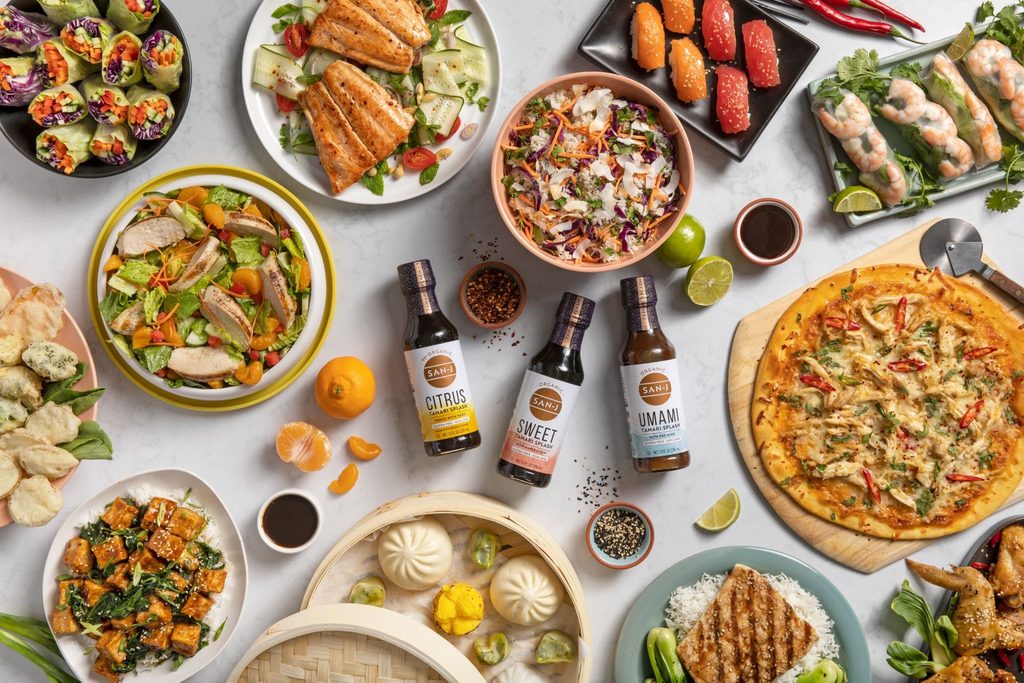
Image courtesy of San-J International Inc.
Look for naturally brewed tamari with a short ingredient list: soybeans, salt, water, and koji. Avoid tamari with hydrolyzed soy protein, caramel coloring, corn syrup, or monosodium glutamate (MSG), a flavor enhancer often added to mask the flatness of chemically produced soy sauce.
Recommended brands include San-J and Kikkoman for reliable gluten-free options. Artisan producers like Ohsawa and Kishibori make premium barrel-aged tamari with greater complexity at higher price points.
Store tamari in a cool, dry place. The high salt content acts as a natural preservative, so refrigeration isn’t necessary. Once opened, tamari keeps for years, but the flavor is best within the first year.
The Takeaway
Understanding tamari means recognizing it as more than a dietary alternative. It’s a brewing tradition with its own logic, flavor profile, and culinary applications; one that existed long before gluten-free became a grocery store category. Whether you choose tamari for dietary reasons or flavor preference, knowing the difference between naturally brewed, wheat-free versions and wheat-containing varieties ensures you’re getting what you expect from the bottle.