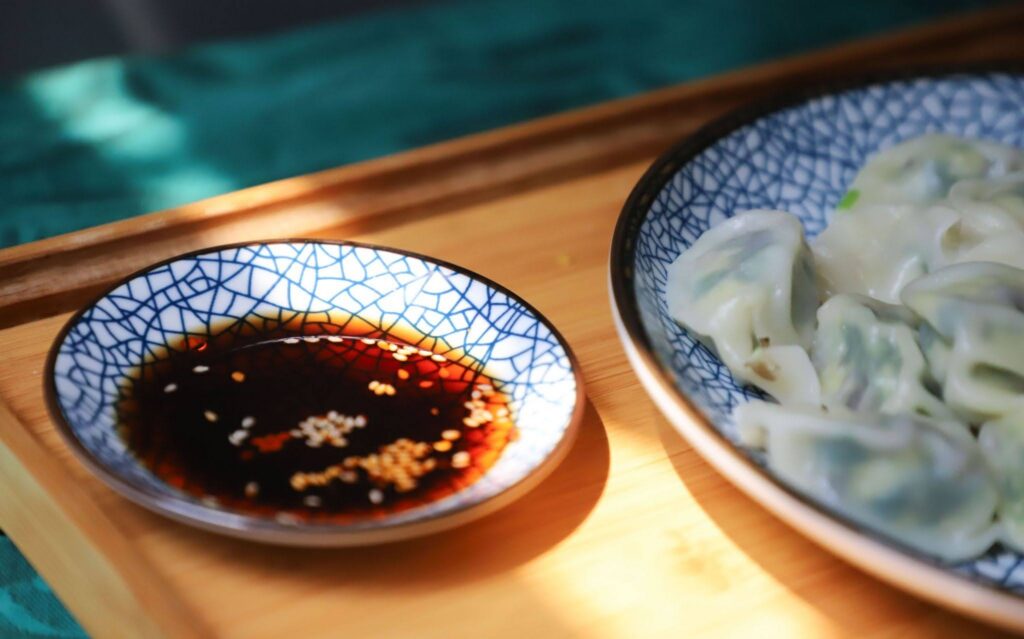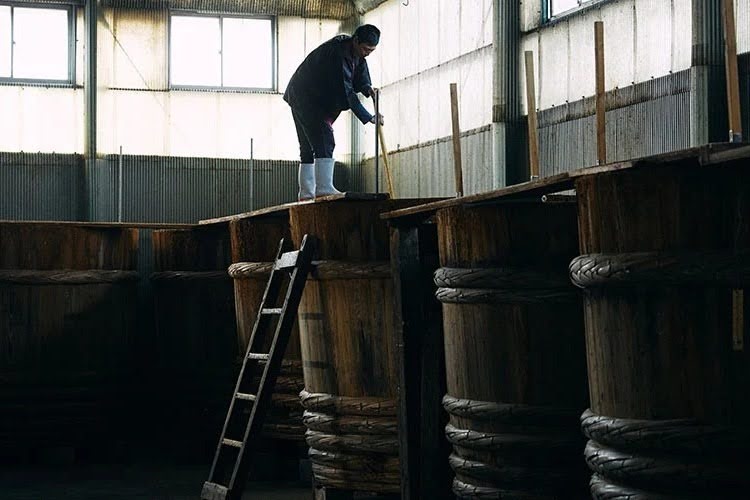
You crack open a bottle of mass-produced soy sauce, thin, sharp, one-dimensional, and drizzle it over rice. Then you try a three-year barrel-aged soy sauce from a small producer in Japan and the difference is immediate: deeper umami, layered complexity, a finish that lingers like aged balsamic. The first was made in weeks using stainless steel tanks; the second spent years fermenting in massive wooden barrels called kioke, developing flavors that cannot be rushed or replicated.
As Yamaroku Shoyu states on their official website: “The cedar planks of our barrels are the home to the microscopic heroes in our fermentation process. These ‘living barrels’ are the key to delicious soy sauce.” Barrel aging transforms soy sauce from a simple seasoning into something closer to fine wine or aged whiskey, a product shaped by time, wood, and microbial ecology.
What Is Barrel-Aged Soy Sauce?
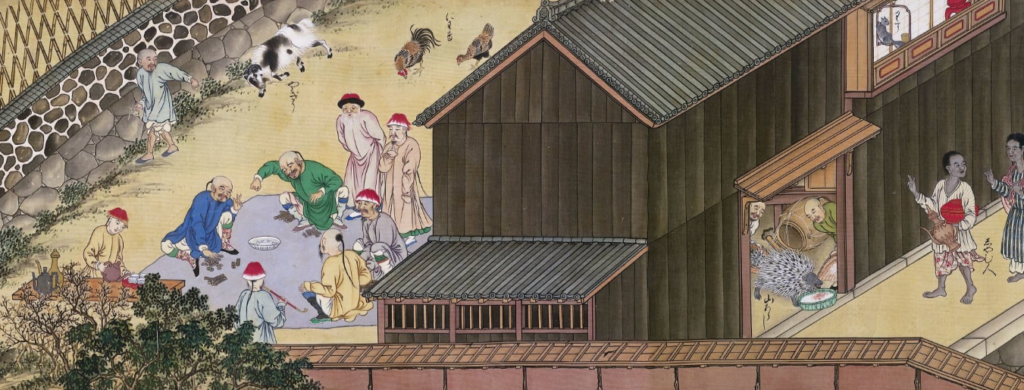
Barrel-aged soy sauce refers to naturally brewed soy sauce that undergoes fermentation and maturation in large wooden barrels, typically made from Japanese cedar (sugi) or cypress (hinoki). These barrels, known as kioke, can hold up to 1,500 gallons and stand six feet tall. As William Shurtleff and Akiko Aoyagi note in History of Soy Sauce, soy sauce has been brewed in wooden barrels since the Edo period (1603-1868), when all foundational Japanese fermented seasonings such as soy sauce, miso, vinegar, mirin, and sake were prepared in this manner.
The process takes anywhere from one to five years, compared to the six-month fermentation period common in modern stainless steel production. Today, less than 1% of soy sauce is brewed in wooden barrels, making kioke-aged soy sauce a rare commodity. After World War II, most Japanese soy sauce producers shifted to stainless steel tanks for efficiency and cost reduction, but a small number of brewers on islands like Shodoshima continued the traditional method.
How Wooden Barrels Change the Fermentation Process
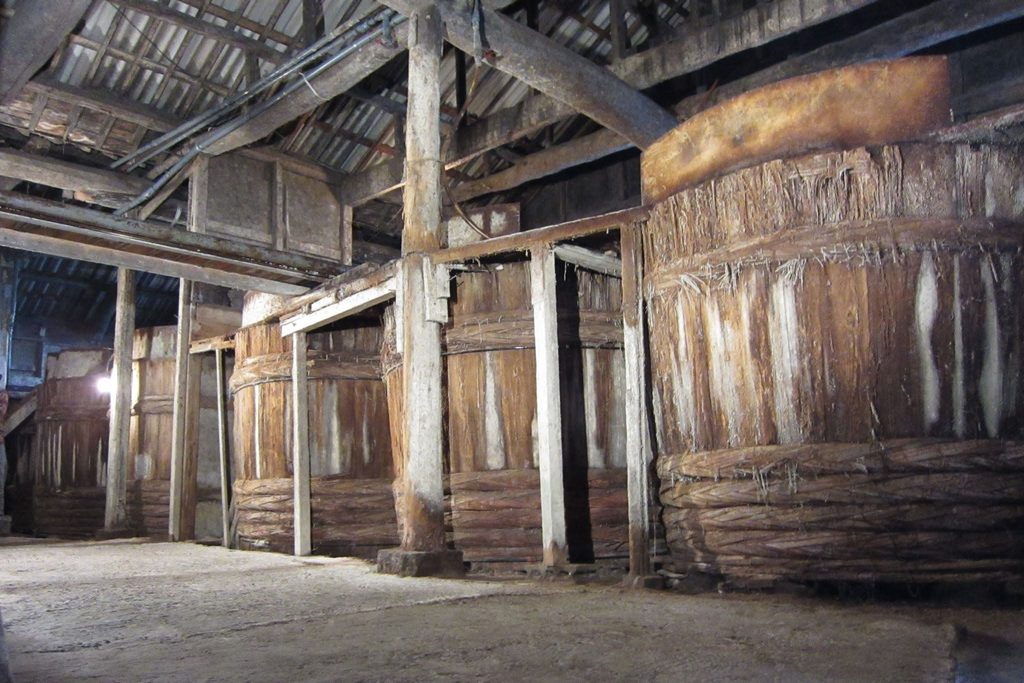
The difference between barrel aging and tank fermentation lies primarily in the microbial environment. Wood is not an inert material as it harbors colonies of microorganisms that persist across fermentation cycles. Scientific analysis of soy sauce moromi (the fermenting mash) reveals that the fungal community diversifies during fermentation and aging, with fungi like Wickerhamiella, Millerozyma, Yamadazyma, and Saccharomycopsis becoming dominant, contributing to the production of alcohols, esters, and phenols.
These compounds form the aromatic backbone of complex soy sauce. In wooden barrels, enzymes and yeasts thrive in microscopic pores within the wood grain, creating a stable microbial ecosystem that does not need to be replaced with each production cycle, unlike stainless steel tanks, where starter cultures must be reintroduced. The wood also allows for micro-oxygenation, a slow exchange of air that influences enzymatic activity and the development of flavor compounds over extended aging periods.
The Science of Flavor Development During Aging
As soy sauce ages in wooden barrels, several biochemical processes transform its flavor profile. Proteins break down into peptides and free amino acids through enzymatic hydrolysis, while carbohydrates degrade into sugars that fuel yeast fermentation. This fermentation converts sugars into alcohols and esters which are key contributors to the aromatic complexity of aged soy sauce.
The variation in signal intensity of metabolites occurs due to differences in the aging period of soy sauce, with significant changes in compounds like oligosaccharides and glucose as aging progresses from zero to eight months.
Additionally, Maillard reactions between amino acids and reducing sugars generate the characteristic dark color and caramel-like notes associated with aged soy sauce. The extended fermentation time also allows for the accumulation of volatile organic compounds (VOCs), including aldehydes, ketones, and pyrazines, which add layers of roasted, nutty, and malty aromas absent in younger soy sauces.
Why Barrel Aging Produces Superior Umami
Umami intensity in soy sauce is measured by nitrogen content, which primarily comes from soybeans. According to producers like Yamaroku Soy Sauce, regular light soy sauce contains approximately 1.2 grams of nitrogen per 100 milliliters, while their barrel-aged products reach 1.5 grams or higher, indicating greater umami concentration.
The longer fermentation period allows enzymes to more thoroughly break down soy proteins into glutamic acid and other amino acids responsible for umami flavor. The depth of umami in barrel-aged soy sauce is not just about quantity; it’s about balance and complexity, with secondary flavor compounds providing support and nuance that make the umami taste rounded rather than one-dimensional.
The Current Revival of Traditional Barrel Fermentation

The near-extinction of kioke brewing has sparked a revival movement among younger Japanese brewers. The Kioke Craftsman Revival Project, led by fifth-generation soy sauce maker Yasuo Yamamoto of Yamaroku Shoyu, brings brewers together each January on Shodoshima to learn the craft of barrel-making from one of Japan’s last remaining kioke masters, Takeshi Ueshiba.
This movement aims to increase the share of barrel-aged soy sauce from less than 1% to 2% of total production, a modest goal that reflects both the labor intensity of the method and its cultural significance. These young brewers view wooden barrels not as antiquated tools but as vessels that express the individuality of each brewery, allowing them to differentiate their products in an increasingly homogenized market.
When to Use Barrel-Aged Soy Sauce
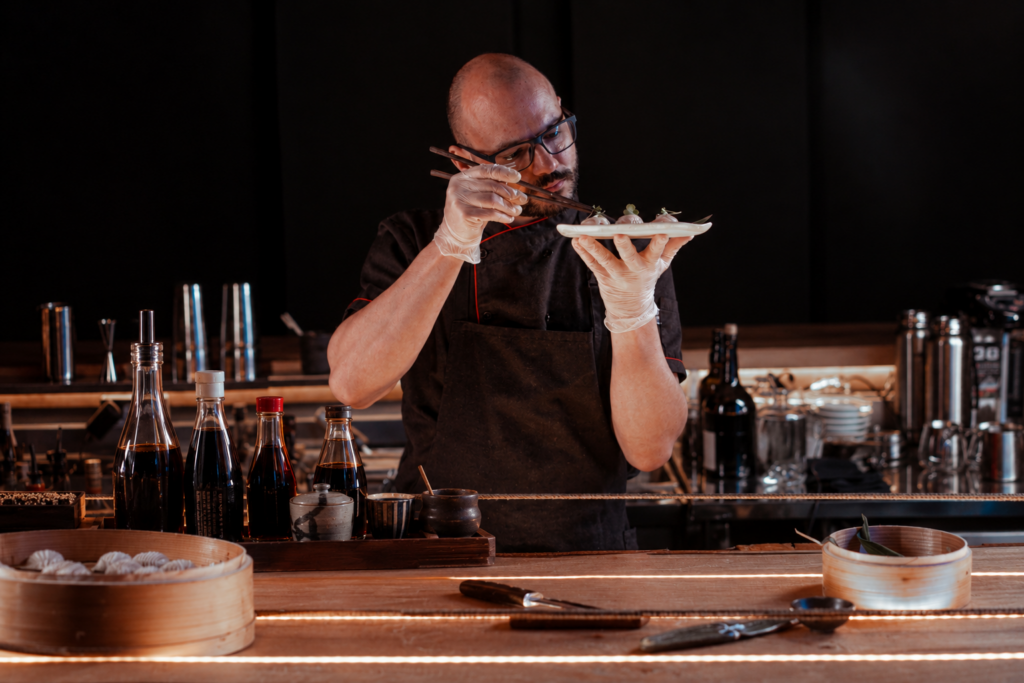
Barrel-aged soy sauce functions differently in cooking than standard varieties. Its concentrated umami and layered flavor make it ideal as a finishing sauce rather than an everyday cooking ingredient. It pairs particularly well with simply prepared proteins such as grilled fish, steak, and tofu where its complexity can be appreciated without competition from other bold flavors.
Some aged varieties, such as double-fermented saishikomi styles that spend four years in barrels, are thick enough to function almost like a condiment, similar to aged balsamic vinegar. These are best used sparingly: a few drops on sushi, sashimi, or even vanilla ice cream (where the caramel-like notes create an unexpected but harmonious pairing). For everyday cooking applications like stir-fries, marinades, and braising liquids, standard naturally brewed soy sauce remains the practical choice.
The Cost of Time and Craftsmanship

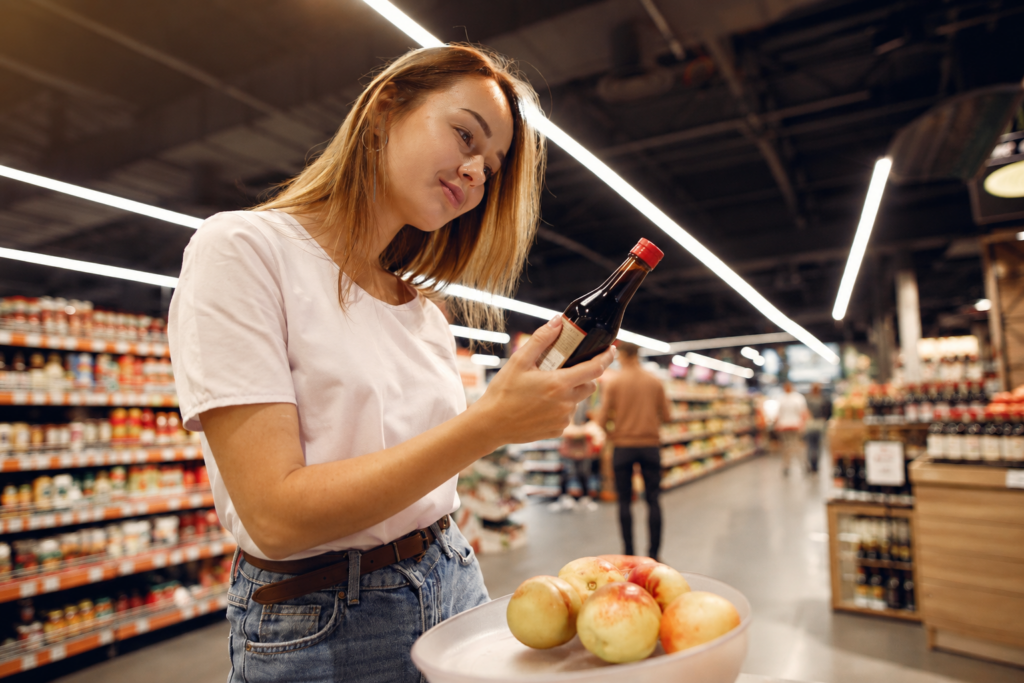
Barrel-aged soy sauce commands premium prices, often $20 to $40 for a small bottle, because of the extended production time, limited batch sizes, and labor-intensive methods involved. A single kioke barrel yields approximately 713 gallons of soy sauce after three to five years of fermentation, and maintaining these barrels requires skilled craftsmanship that few possess.
The wood itself must be carefully selected, shaped, and maintained, with barrels sometimes lasting over 100 years if properly cared for. When you purchase barrel-aged soy sauce, you are not just buying a condiment, you are supporting a fermentation tradition that predates industrial food production and represents a direct link to centuries of culinary knowledge. The question is not whether it is expensive, but whether the depth of flavor and cultural preservation justify the cost.
All images courtesy of Shokunin Shoyu (s-shoyu.com)