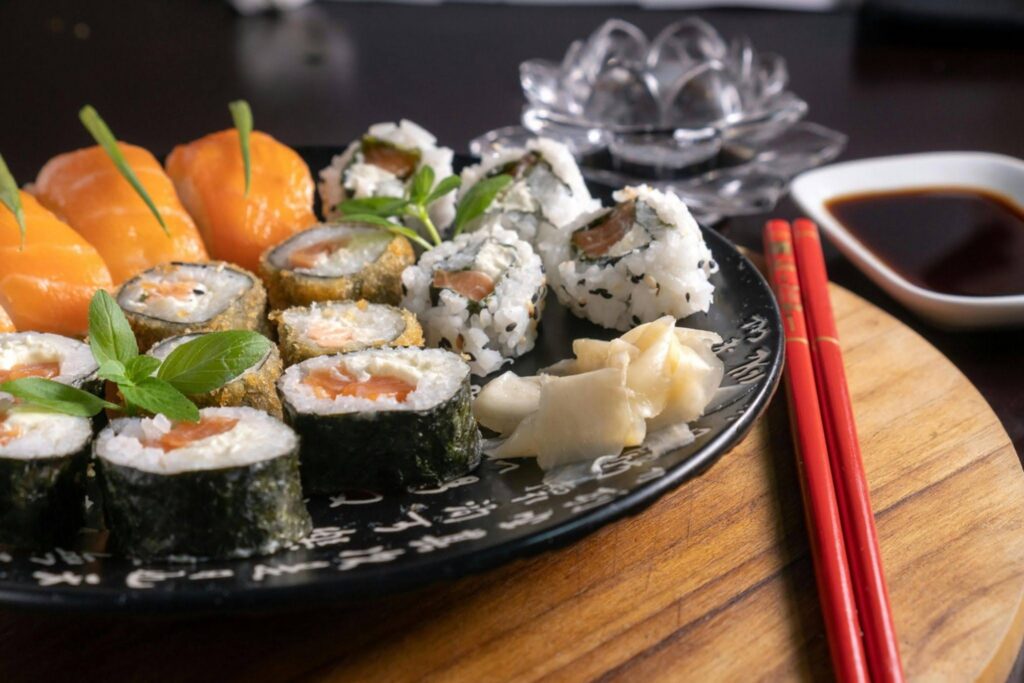
You pour soy sauce straight from the bottle onto your sushi without a second thought. But what if you approached it the way you would a fine wine or artisan chocolate—with intention, technique, and vocabulary to describe what you’re experiencing? Professional soy sauce tasting is a formal practice in Japan, where sensory evaluation determines quality standards, competition rankings, and even regulatory compliance. Learning to taste soy sauce properly doesn’t just make you a more discerning consumer; it reveals layers of flavor most people never notice.
The Five-Step Tasting Protocol

Professional soy sauce evaluation follows a structured sensory analysis method developed by Japanese brewing associations and formalized through the Japan Agricultural Standards (JAS), which established rigorous sensory inspection protocols for certifying soy sauce quality. The process engages all five senses in sequence, beginning with visual assessment and ending with aftertaste evaluation.
Appearance: Pour approximately one tablespoon of soy sauce into a white ceramic or glass dish and observe under natural light. High-quality naturally brewed soy sauce displays clarity with a reddish-brown hue, while chemically produced versions often appear cloudy or overly dark. According to research on soy sauce color development published in PMC, color indices correlate with fermentation conditions and aging time, with traditionally fermented sauces showing distinct reddish-brown characteristics.
Aroma: Before tasting, bring the dish close and inhale gently. Quality soy sauce releases complex aromas—roasted wheat, caramel, fermentation notes, sometimes floral or fruity undertones. As researchers note in a comprehensive review published in the Journal of Agricultural and Food Chemistry, “aroma is characterized by caramel-like, floral, smoky, malty, and cooked potato-like odors” with “aroma-active volatiles chemically diverse, including acids, alcohols, aldehydes, esters, furanones, pyrazines, and S-compounds.” Harsh ammonia or vinegar smells indicate poor quality or improper storage.
Taste: Take a small sip and let it coat your tongue before swallowing. Professional judges evaluate five primary characteristics: saltiness (should be balanced, not overwhelming), umami depth (the savory, mouth-filling quality), sweetness (subtle, from amino acids and residual sugars), acidity (a gentle brightness), and bitterness (minimal in quality sauces). The goal is harmony—no single element should dominate.
Mouthfeel: Notice the texture and viscosity as the sauce moves across your palate. Premium naturally brewed soy sauce has a smooth, slightly viscous quality with a clean feel, while lower-quality versions can taste thin, sharp, or leave a chemical coating. Studies on soy sauce composition show that naturally fermented soy sauce contains higher levels of amino acids and peptides, which contribute to its richer body and more complex mouthfeel.
Finish: The aftertaste reveals the most about quality. A well-made soy sauce leaves a pleasant, lingering umami with subtle sweetness that fades cleanly. Poor-quality sauces often leave a harsh, metallic, or overly salty finish that makes you reach for water.
Developing Your Tasting Vocabulary
Professional judges use precise descriptors: roasted grain, caramel, mushroom, dried fruit, floral, woody, fermented, rounded, sharp, clean, or cloying. Start by comparing two or three different styles side by side—perhaps a basic koikuchi, a premium aged shoyu, and a tamari. Notice the differences in color, viscosity, aroma intensity, and flavor balance. With practice, you’ll recognize the markers of quality: complexity over one-dimensionality, balance over harshness, and a finish that invites another taste rather than overwhelming the palate.
Tasting soy sauce properly transforms it from a background condiment into a subject worth studying. Whether you’re preparing for a formal competition, selecting bottles for your kitchen, or simply curious about what distinguishes a three-dollar bottle from a thirty-dollar one, the answer is always in the tasting.