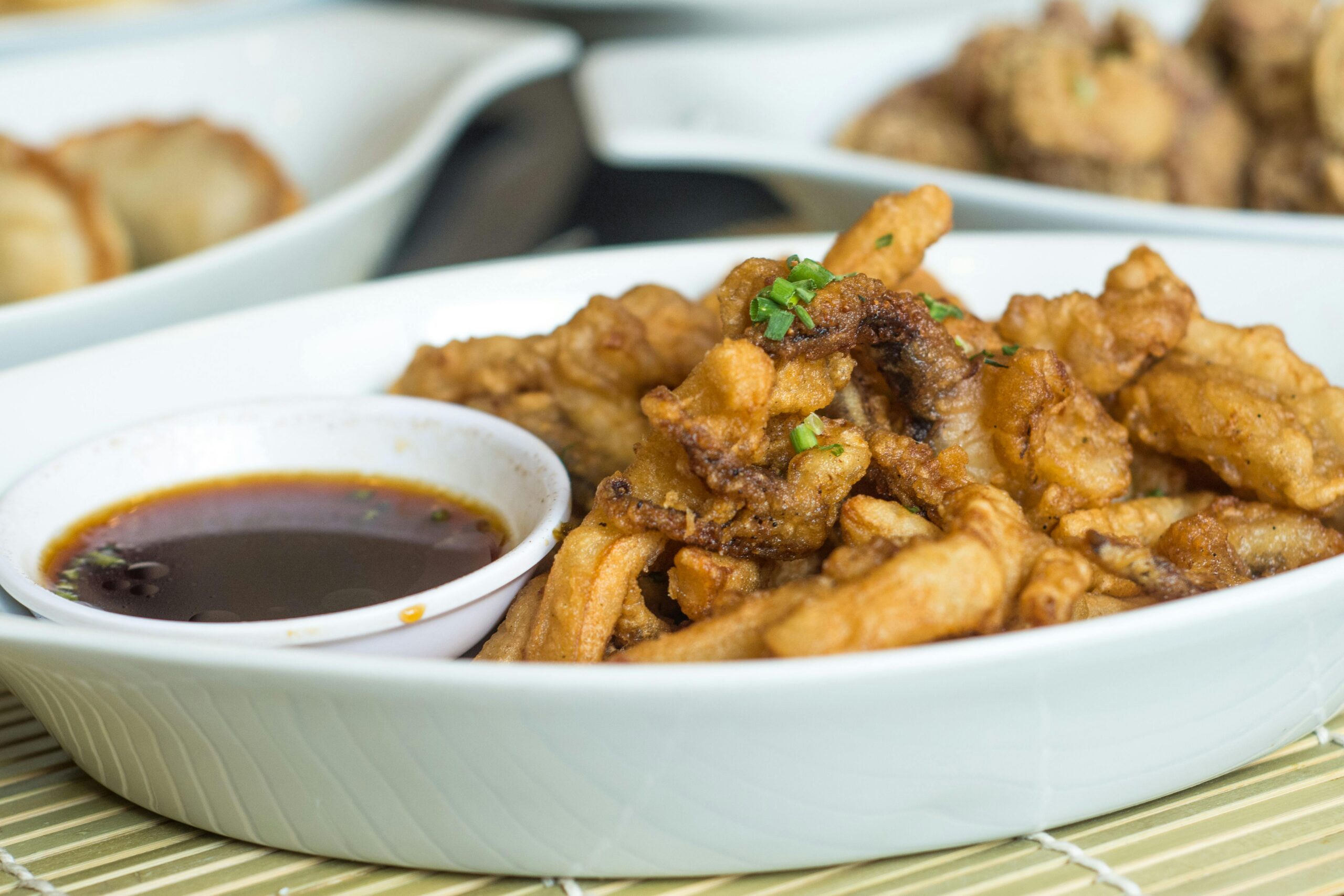
In the Philippines, soy sauce doesn’t wait to be called. It’s already on the table before anyone sits down — next to the vinegar, next to the fish sauce, at arm’s reach before the first bite. The word for it is toyo, derived from tau-yu in Philippine Hokkien, and its roots run deeper than most people realize. According to the Philippine Statistics Authority’s 2021 Family Income and Expenditure Survey, condiments and sauces rank among the ten most commonly purchased food items across all income groups nationwide — with soy sauce appearing in households from Luzon to Mindanao at rates that exceed fish sauce in daily frequency.
What Toyo Is — and What Makes It Distinct
Toyo is made from soybeans, wheat, salt, water, and, in most commercial versions, caramel color. That last ingredient is the defining detail. The caramel deepens the color and rounds the salinity into something mildly sweet — less austere than Chinese light soy sauce, less aromatically layered than Japanese koikuchi. The flavor is assertive but not harsh: salty up front, with a faint sweetness that keeps it from reading sharp.
Under standards set by the Bureau of Philippine Standards, toyo is classified into three types: fermented, hydrolyzed, and blended. Most mass-market bottles are blended or hydrolyzed, produced without the months of fermentation that define naturally brewed soy sauce elsewhere. Naturally fermented toyo exists but occupies a fraction of the shelf. For most Filipino home cooks, the bottle on the table is blended — and has been for decades.
How It Got There
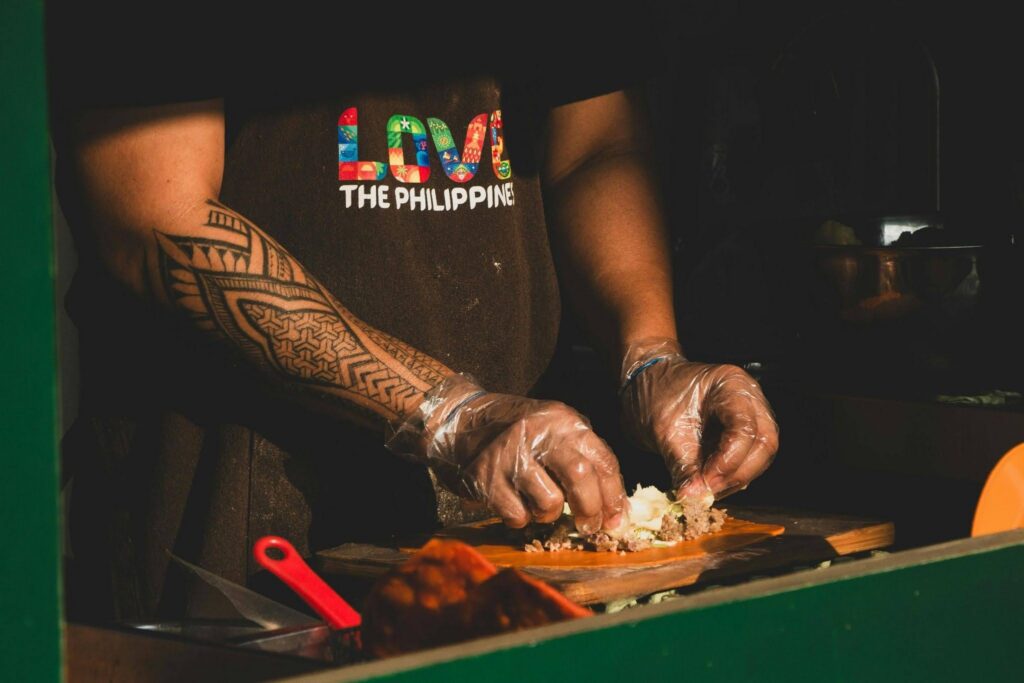
Soy sauce arrived in the Philippines carried by people, not policies. Hokkien-speaking merchants from Fujian Province had been arriving in the archipelago since at least the ninth century, and their settlements brought fermentation traditions that predate Spanish colonization by centuries. As food historian Doreen Fernandez documents in Tikim: Essays on Philippine Food and Culture, “Among the Chinese contributions to Philippine cuisine are: the use of soybeans in the making of sauces (toyo, miso) and curds (tokwa, tahure).”
By the American colonial period, local manufacturers had begun producing toyo domestically. Silver Swan, now the country’s dominant brand, was first produced in 1942 in Manila’s Chinatown. Its moderate salt level and caramel sweetness became the market reference point — the flavor profile most Filipinos grew up with.
Toyo and Adobo
Nothing illustrates toyo’s place in Philippine cooking more clearly than adobo. The dish existed before toyo arrived — Filipinos were already braising protein in vinegar and salt, a preservation method suited to a tropical climate. When soy sauce entered the kitchen, it changed the dish structurally: amino acids that accelerate surface browning during reduction, umami that deepens the savory base, and a mild sweetness that softens the tartness of vinegar. The result is the glossy, mahogany-colored braise most people now recognize as adobo — rather than the older, paler, more sharply acidic version that predates soy sauce’s arrival.
Toyomansi
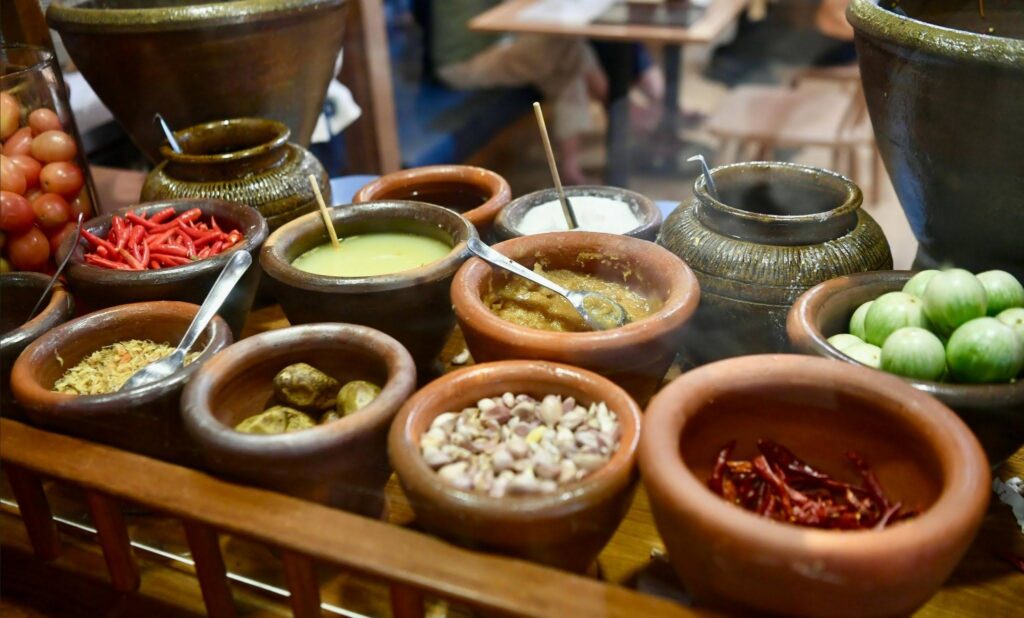
Mix toyo with calamansi juice — the small, intensely aromatic citrus native to the Philippines — and the result is toyomansi: a dipping sauce whose logic is as clean as its flavor. The calamansi’s acidity cuts through toyo’s salinity, its brightness lifts the weight of fermented soy, and together they produce something more complete than either manages alone. Served with fried fish, grilled pork, or steamed vegetables, it’s one of the most direct expressions of Filipino flavor logic: two ingredients, no additional seasoning, built from what the landscape produced.
Reading the Label
The ingredient list is the most reliable guide. Naturally fermented toyo lists soybeans, wheat, salt, and water. Hydrolyzed versions list hydrolyzed soy protein — faster to produce, flatter in flavor. For everyday cooking, the difference is subtle. In preparations where toyo is a lead flavor — a dipping sauce, a reduced glaze — a naturally fermented version will taste rounder and more complete.
Toyo is a condiment that tells you where it comes from. Its sweetness reflects the Chinese fermentation traditions that shaped it. Its presence on the table before anyone starts cooking reflects something harder to quantify: a food culture that never treated seasoning as an afterthought.