Fire up the coals, because soy sauce for grilling is one of the most underrated tools in any cook’s arsenal — and most people are reaching for the wrong bottle. Not all soy sauces behave the same way over high heat, and the difference between a lacquered, caramelized crust and a scorched, bitter mess often comes down to what’s actually in the bottle you grabbed off the shelf.
Soy sauce has been part of grilling traditions across East Asia for centuries, but its role in the modern kitchen extends well beyond teriyaki. In 2023, Japan’s annual shipping volume of domestically produced soy sauce reached 683,340 kiloliters — a figure that speaks to how central this fermented condiment remains in daily cooking, including over open flame. Whether you’re working a charcoal grill in the backyard or finishing a steak under a broiler, understanding which style to use — and when — changes everything.
Why Soy Sauce and Fire Work So Well Together
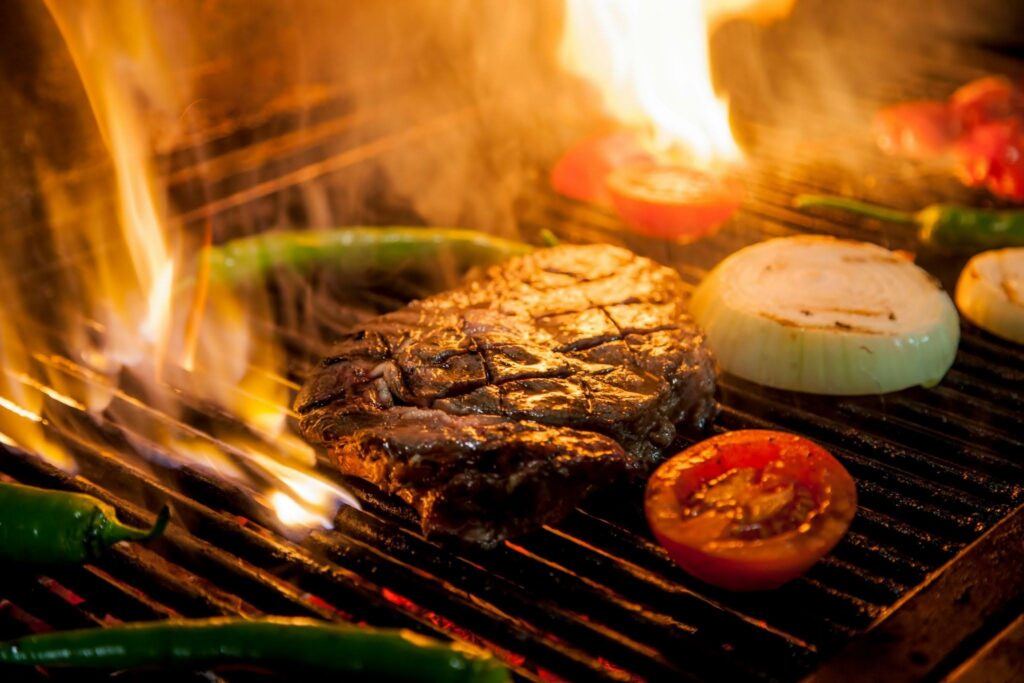
The chemistry here is real. Naturally brewed soy sauce is rich in amino acids released during fermentation — and as Harold McGee explains in On Food and Cooking, in fermented products like soy sauce, partly broken-down proteins produce amino acids that “can contribute to the overall flavor,” with glutamic acid in particular lending “an added dimension” of savory, umami depth. When those compounds meet high heat, they trigger the Maillard reaction — the browning process responsible for a good sear on a steak or the crust on a roasted chicken — producing deep color, complex aroma, and that slightly sticky, lacquered finish that makes grilled meat look as good as it tastes.
A 2020 peer-reviewed study in the Journal of Agricultural and Food Chemistry confirmed that the aroma of naturally brewed soy sauce is built from a chemically diverse mix of volatile compounds — including aldehydes, esters, furanones, and pyrazines — many of which are heat-activated, meaning the grill doesn’t diminish them so much as transform them into something richer and more concentrated. Now, which one should you actually use?
Dark Soy Sauce: For Color, Caramelization, and Depth
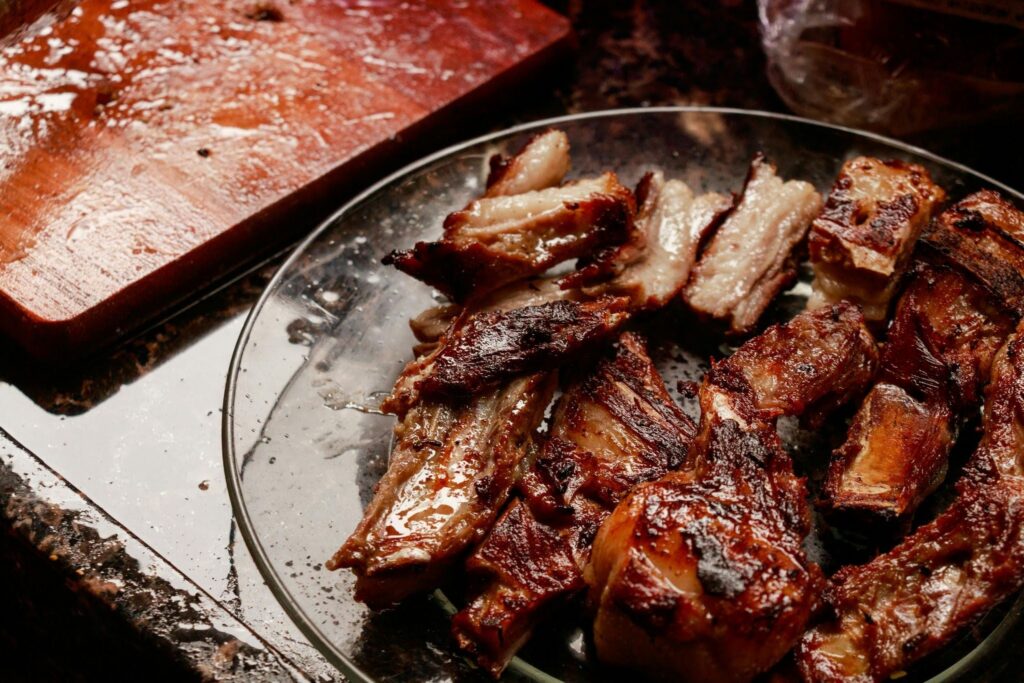
For barbecue applications where color matters as much as flavor — think slow-cooked ribs, grilled pork belly, or char siu-style skewers — dark soy sauce earns its place. Made by aging light soy sauce longer and often adding molasses or caramel, dark soy sauce (called lao chou in Mandarin) delivers a thicker consistency and a sweet, rounded depth that resists burning more gracefully than thinner, saltier styles. It clings to protein surfaces, caramelizes steadily, and produces that deep mahogany finish associated with Chinese-style grilled meats. The key is restraint — a tablespoon in a marinade does the color work of three tablespoons of light soy sauce, so go easy and adjust from there.
Tamari — the Japanese soy sauce made with little to no wheat — is thicker than standard koikuchi shoyu and behaves exceptionally well as a high-heat glaze. Brushed onto fish, chicken thighs, or grilled vegetables in the final minutes of cooking, its viscosity means it stays where you put it rather than running off into the fire. Because tamari is brewed predominantly from soybeans rather than an equal mix of soybeans and wheat, it carries a higher concentration of amino acids and natural sugars — exactly what produces a glossy, caramelized crust when it hits a hot grate.
Koikuchi Shoyu: The Everyday Grill Workhorse
For weeknight chicken, vegetable skewers, or a quick salmon marinade, standard koikuchi shoyu is where most cooks should start. Its balanced soybean-to-wheat ratio produces clean, rounded umami that complements without overwhelming, and it’s widely available in a quality that holds up over heat. The one thing to know: koikuchi has more water content than dark soy sauce, so applying it too early over very high heat can cause it to steam before it sears. Use it as a marinade base or brush it on in the final few minutes, ideally mixed with a little honey or mirin to help it stick and caramelize.
Before reaching for any bottle, check the ingredient list. Naturally brewed soy sauce — water, soybeans, wheat, salt — behaves fundamentally differently from chemically produced versions containing hydrolyzed soy protein, caramel coloring, or corn syrup. Those shortcuts flatten under heat, leaving a harsh, one-dimensional salt hit instead of the layered complexity that makes a soy sauce glaze worth making.
The right bottle won’t save a bad cut of meat, but it will absolutely elevate a good one. Soy sauce for grilling isn’t a trend — it’s just fermentation doing what it’s always done: turning simple ingredients into something worth gathering around a fire for.