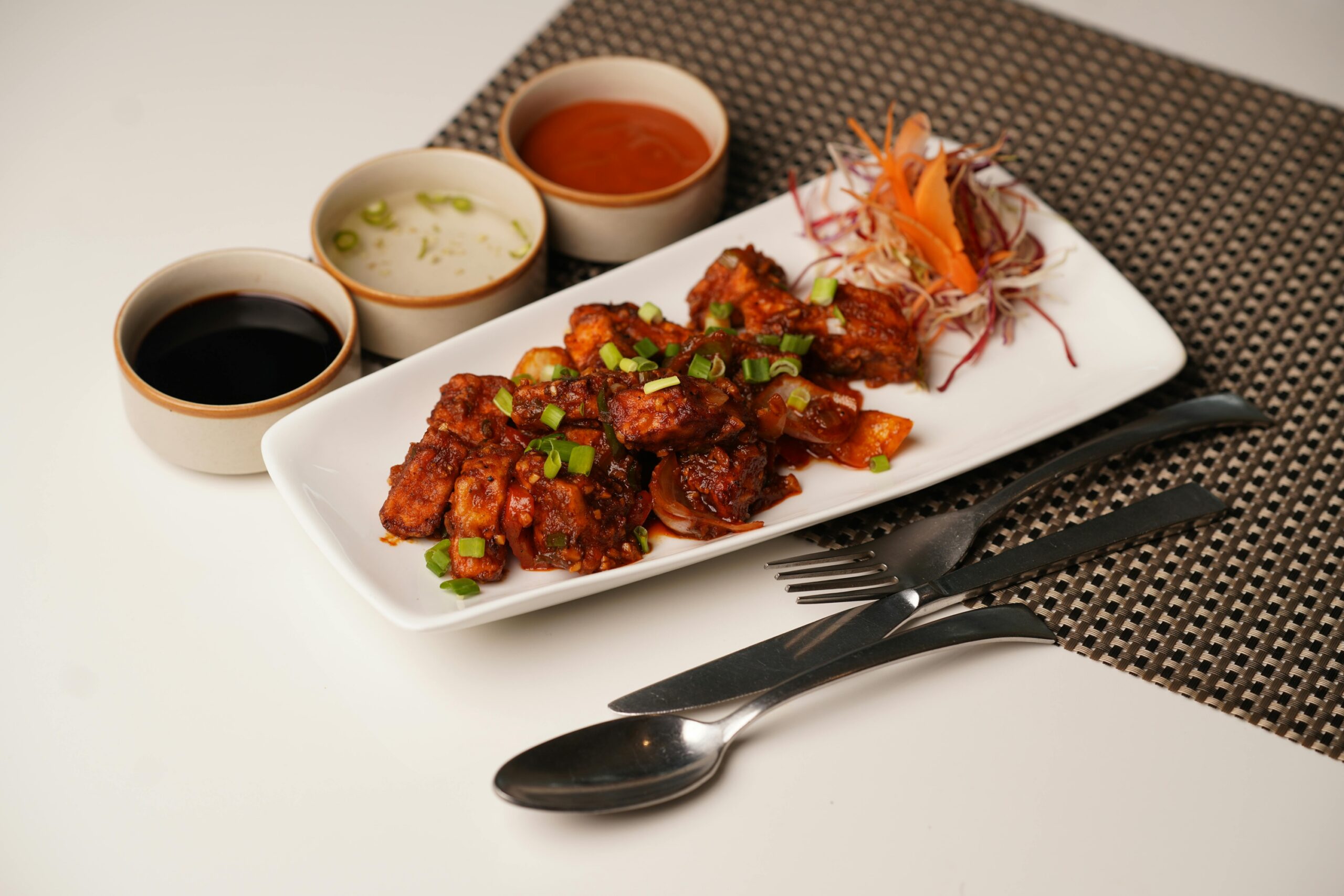
Order chili chicken at any street-side stall in Mumbai, and you’ll get something no chef in Chengdu would recognize — battered, deep-fried chicken tossed in a fiery garlic sauce that’s unmistakably Indian in spirit and unmistakably built on soy sauce. It’s the product of over a century of culinary negotiation between two of the world’s oldest food traditions, and the clearest example of where soy sauce in Indian food actually makes sense.
Soy sauce has a real, legitimate place in Indian cooking — but only in specific contexts.
How Soy Sauce Got to India
It didn’t wander in on its own — it arrived with people. The first recorded Chinese settler, Yang Atchew, arrived in Calcutta in 1778 and set up a sugar mill, bringing workers from the mainland. Hakka and Cantonese communities followed, establishing India’s only Chinatown in what is now Kolkata. As researchers Zhang Xing and Tansen Sen document in The Routledge Handbook of the Chinese Diaspora, “population pressures, domestic turmoil, and the formation of colonial commercial and labor networks triggered the migration of the Chinese to the ports and cities” of South Asia — Calcutta first among them.
By the early 20th century, Chinese restaurateurs in Calcutta had begun adapting their cooking to local tastes — heavier on spice, fiercer on chili, soy sauce doing the heavy lifting on umami. The result was Indo-Chinese cuisine, born in Kolkata and now embedded across the country. According to Mordor Intelligence’s analysis of India’s full-service restaurant market, nearly 60% of India’s younger generations prefer Chinese food outside the home more than three times per month, with Asian cuisines holding the largest share of the country’s dining market.
Where It Works
Indo-Chinese cuisine is the natural home. Dishes like Hakka noodles, chili paneer, and gobi Manchurian were built around soy sauce from the start — the wok technique, cornstarch-thickened gravies, and high-heat stir-fry method all expect its fermented, salt-forward profile. Light soy sauce handles seasoning; dark soy sauce handles color. Using naturally brewed over chemically produced versions makes a difference you’ll actually taste.
Marinades are another defensible application. A soy-ginger-garlic marinade for tandoori chicken isn’t traditional, but naturally brewed soy sauce’s amino acids help tenderize protein and add savory depth that complements rather than competes with a spice blend.
Where It Doesn’t
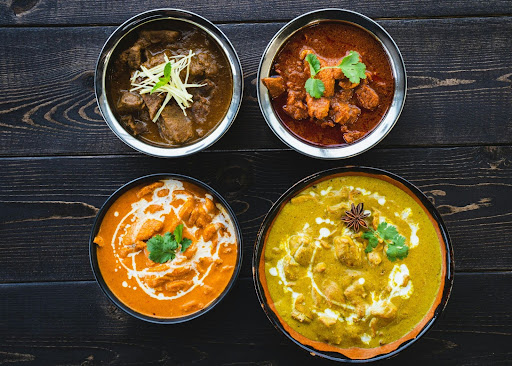
Traditional Indian curries — dal makhani, sambar, rogan josh, chole — are built on roasted spices, slowly cooked alliums, and yogurt or tamarind for acidity. Soy sauce introduces a fermented, wheat-forward note that doesn’t integrate with this architecture. It doesn’t clash violently, but it muddies clarity rather than adding to it.
The same goes for biryani, pulao, and South Indian cooking, where curry leaves, mustard seeds, and coconut create a flavor environment with no natural entry point for soy sauce’s character.
What makes these dishes work is internal balance — each ingredient pulls in a direction that others correct for. Soy sauce doesn’t disrupt that balance so much as ignore it, arriving with a flavor logic that belongs to a different tradition entirely. The fermentation character that makes it indispensable in a wok has no role in a clay pot.
Choosing the Right Bottle
Quality matters more in Indo-Chinese cooking because soy sauce isn’t a background note — it’s a lead flavor. Many products on Indian shelves are chemically produced through acid hydrolysis rather than fermentation, tasting harsh and flat. Kikkoman India, which entered the market in 2021, launched a dark soy sauce for Indian Chinese cuisine in 2024 — engineered for the color expectations of the Indo-Chinese category without coloring agents. That a naturally brewed producer felt compelled to develop a market-specific product reflects both the demand and the quality gap.
A naturally brewed light soy sauce handles seasoning; a good dark soy sauce handles color. Indo-Chinese cooking rewards the distinction — and so does the cook who understands why it exist
Indo-Chinese Grilled Chicken Marinade
Serves 4
Ingredients
- 800g (about 1¾ lb) boneless chicken thighs
- 3 tablespoons naturally brewed light soy sauce
- 1 tablespoon dark soy sauce
- 1 tablespoon rice vinegar
- 1 tablespoon neutral oil (such as sunflower or canola)
- 4 garlic cloves, finely grated
- 1 tablespoon fresh ginger, finely grated
- 1 teaspoon ground white pepper
- 1 teaspoon sugar
- 2 green chilies, finely chopped
Method
- Whisk together both soy sauces, rice vinegar, oil, garlic, ginger, white pepper, sugar, and green chilies in a bowl until the sugar dissolves.
- Score the chicken thighs lightly with a knife to help the marinade penetrate, then add to the bowl and turn to coat evenly.
- Cover and refrigerate for at least 2 hours, or overnight for deeper flavor.
- Grill over medium-high heat for 6 to 7 minutes per side, basting once with the remaining marinade, until cooked through and slightly charred at the edges.
- Rest for 5 minutes before serving. Pair with steamed jasmine rice or tuck into flatbread with sliced onion and a squeeze of lime.
Note: Light soy sauce does the seasoning work here and gives the chicken its caramelized color on the grill. Don’t substitute one for the other, and avoid chemically produced versions — the marinade has nowhere to hide.