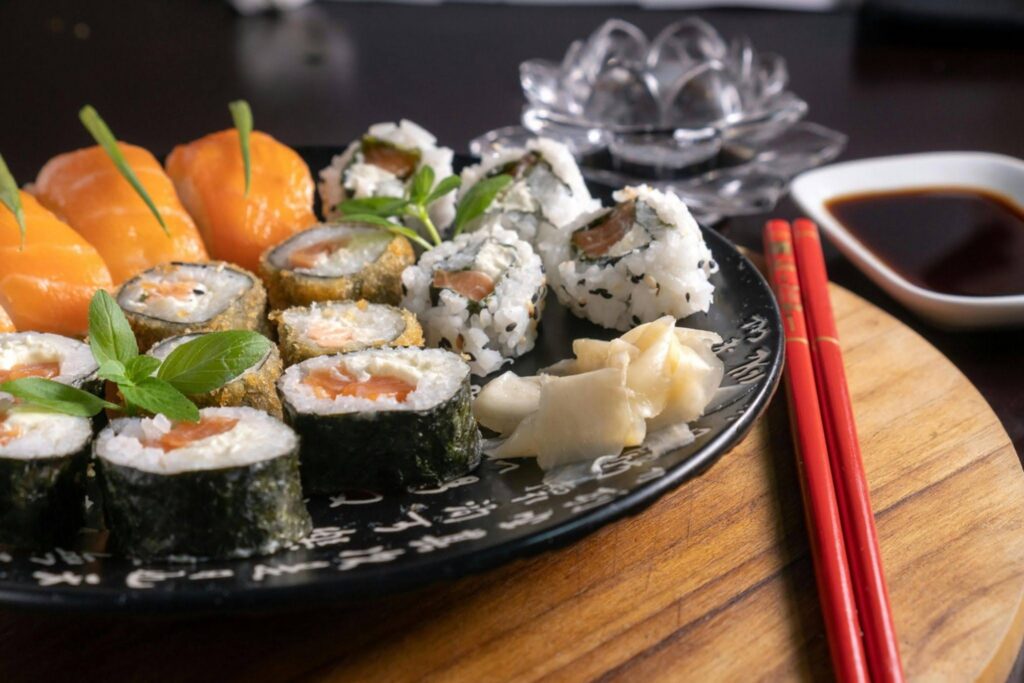
There’s a moment in the preparation of traditional Edomae sushi that most diners never witness — not because it’s hidden, but because it happens fast and looks deceptively simple. A small pot. A gentle simmer. A brush dipped and lifted. What comes out of that pot isn’t soy sauce exactly, though soy sauce went in. It’s nikiri soy sauce, and it represents one of the most quietly sophisticated techniques in Japanese culinary tradition.
Understanding nikiri doesn’t require professional training or years of kitchen experience. It requires only the willingness to look at a familiar ingredient and ask what it becomes when a chef applies deliberate thought to it.
Why Edomae Sushi Calls for Something Different
Koikuchi shoyu is a remarkably versatile seasoning — balanced, reliable, and built to perform across a wide range of cooking applications. That same versatility, however, makes it a blunt instrument at the sushi counter, where precision is the entire point.
Applied cold and raw to nigiri, koikuchi’s salinity arrives sharply, hitting the palate before the fish has a chance to register. It can pull moisture from the rice, soften the structure of the piece, and introduce a fermented assertiveness that competes rather than recedes. For a chef who has spent years learning to let the fish speak, that’s an unacceptable interruption. The answer isn’t a different soy sauce — it’s the same soy sauce, transformed.
What Cooking Does to Soy Sauce

The preparation is straightforward: koikuchi shoyu, mirin, and sake go into a small saucepan over gentle heat. Each ingredient does specific work. The alcohol in the sake and mirin burns off, taking the raw, sharp edge of both liquids with it. The mirin’s natural sugars concentrate just enough to soften the soy sauce’s salinity — not sweetening it so much as rounding it. The whole mixture becomes more cohesive, with a slightly thicker body that clings to fish rather than running off it.
When dashi enters the formula, the transformation deepens. Dashi contributes glutamate and inosinic acid (IMP), two umami compounds that, according to research from the Umami Information Center, work synergistically — their combined effect on the palate is measurably greater than either produces on its own. This is why a nikiri made with dashi tastes deeper than a simple reading of its ingredients would suggest. The science is straightforward; the result on the palate is anything but.
Food scientist Ole Mouritsen, in Umami: Unlocking the Secrets of the Fifth Taste (Columbia University Press, 2014), describes this synergistic effect as one of the fundamental principles behind why fermented and dashi-based preparations taste so complete — glutamate and nucleotides amplifying each other in ways that neither achieves alone. Nikiri applies that principle directly, in a saucepan, before every service.
A Home Version Worth Making
The ratios chefs use vary by house, region, and individual preference — and most guard them accordingly. But the underlying logic is consistent, and a workable home version is well within reach.
Start with three parts koikuchi shoyu, one part mirin, and one part sake in a small saucepan. Bring the mixture to a gentle simmer over medium-low heat — a rolling boil drives off volatile flavor compounds along with the alcohol, which defeats the purpose. Cook for two to three minutes until the sharp alcohol smell dissipates, then cool completely before use. A small piece of kombu added during simmering contributes glutamate directly; a tablespoon of dashi stirred in after cooling adds both glutamate and IMP for that synergistic depth.
The finished nikiri keeps refrigerated for up to a week. Apply it with a light brush — the goal is a barely-there gloss that seasons without saturating.
Beyond the Sushi Counter
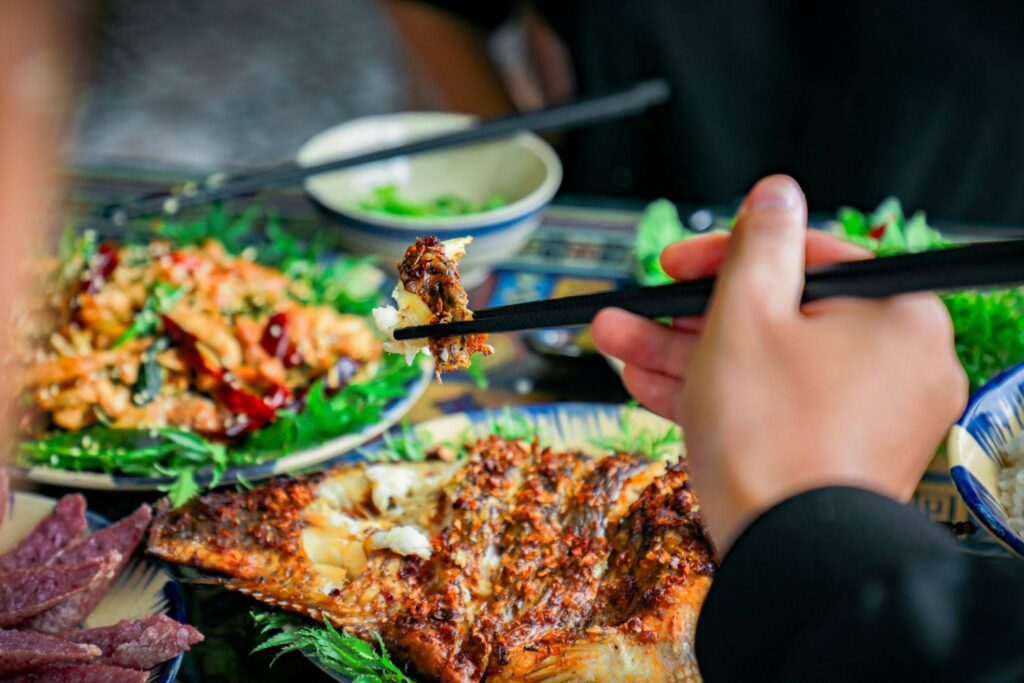
The principle behind nikiri travels. Cooking soy sauce with mirin and sake to soften its edges and concentrate its character works in any context where raw soy sauce feels too forward. Brushed onto grilled fish or chicken thighs in the final minutes over heat, it caramelizes into a glossy, cohesive finish. Stirred into a cold vinaigrette, it integrates cleanly rather than sitting apart. Used sparingly over roasted vegetables just before serving, it adds a layer of savory depth that builds rather than dominates.
Nikiri is a technique born from a specific culinary tradition and a specific problem to solve — but the intelligence behind it belongs to anyone willing to apply it. That’s what makes it worth knowing.