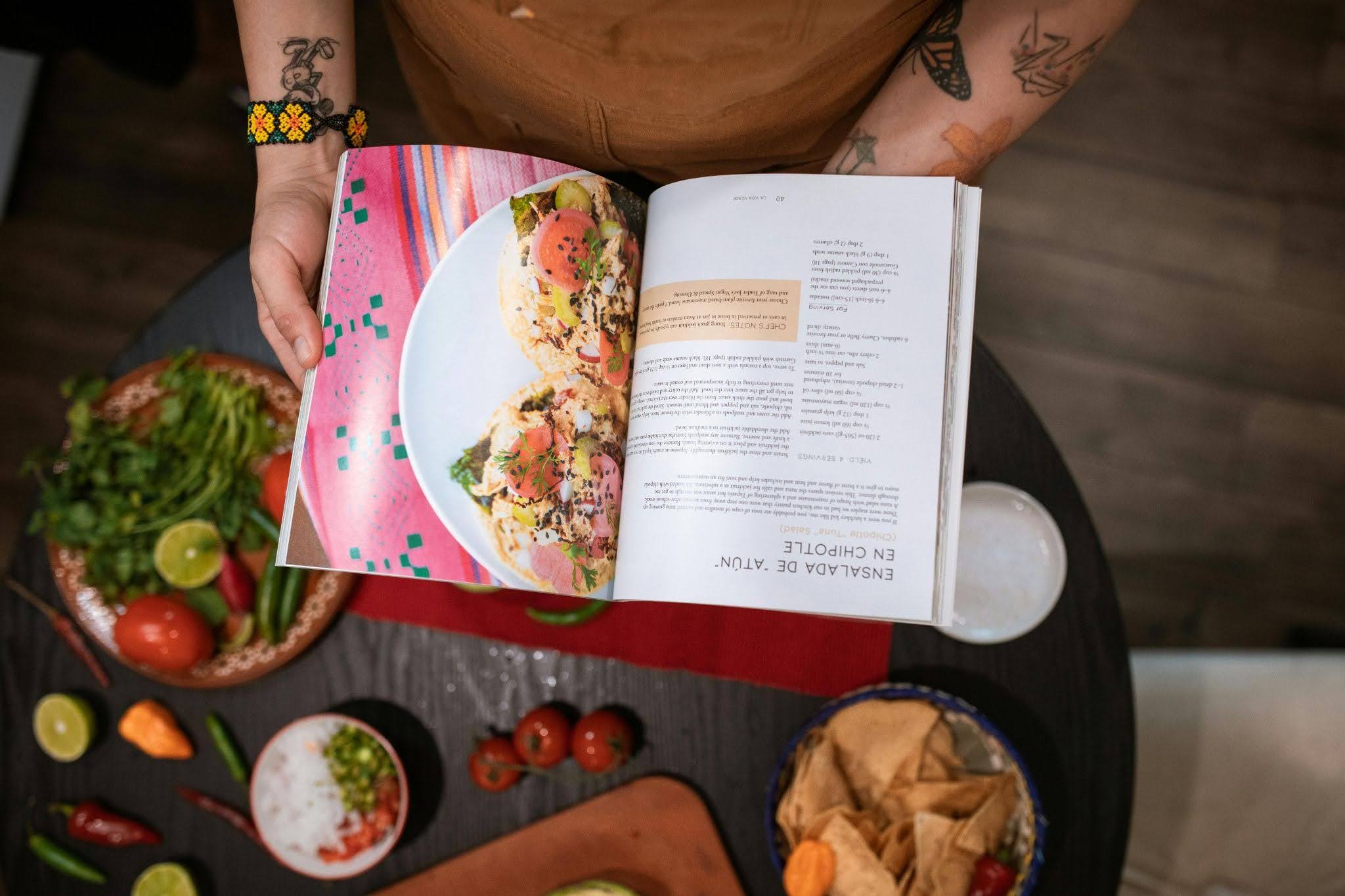
Chinese immigrants arrived in northern Mexico with almost nothing — and yet, somehow, the pantry came with them. Soy sauce Mexican cooking wasn’t born in a test kitchen or pitched as a trend; it grew out of something far more ordinary: people cooking what they knew, in a new place, with neighbors who turned out to be paying attention. What happened next is a story Latin American food historians do not always share and is a perfect example of how soy sauce has traveled for centuries around the world.
As historian Evelyn Hu-DeHart documents in her research on Chinese communities in northern Mexico, published in the Journal of Arizona History, Chinese immigrants arrived between the 1870s and early 1900s, settling in Sonora, Baja California, and Sinaloa to work in mining, agriculture, and railroad construction — and their homeland cuisine and soy sauce followed.
Where It Actually Works
The clearest case is the marinade. Mexican cooks have long used soy sauce in carne asada, where it functions similarly to a teriyaki base — the amino acids in naturally brewed soy sauce tenderize protein while layering savory depth that complements garlic, lime, and chili without announcing itself.
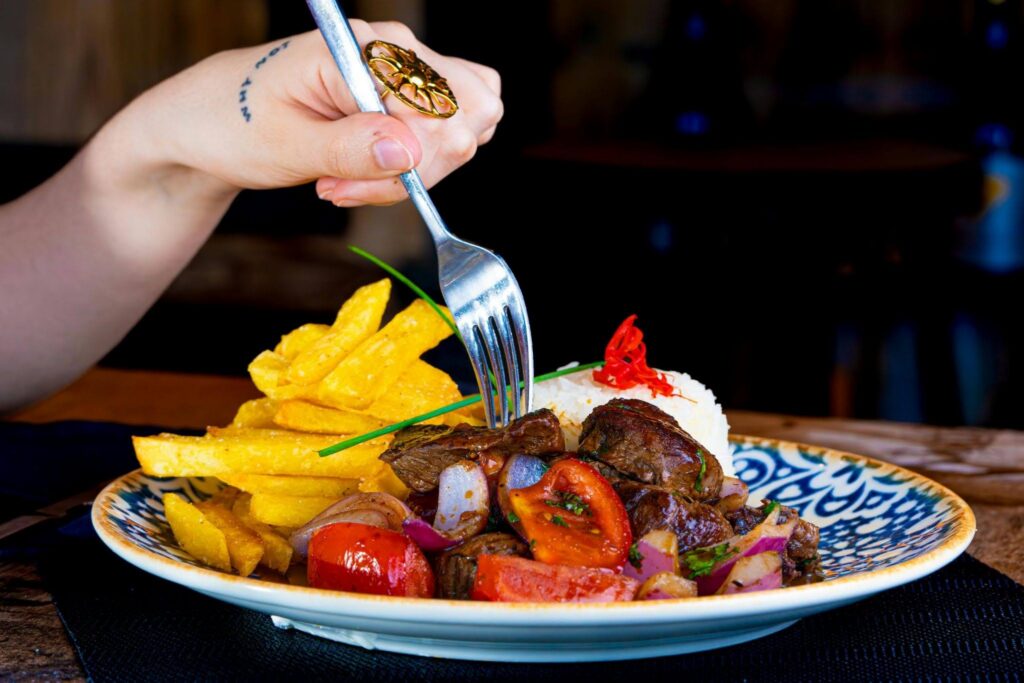
In Peru, the story runs even deeper. Chifa — the Peruvian-Chinese culinary tradition born from Chinese immigration in the late 1800s — is one of Latin America’s most fully developed examples of soy sauce integration into an entirely different cuisine. Dishes like lomo saltado, a stir-fry of beef, tomato, and onion served alongside rice and fries, are built on soy sauce as a foundation ingredient. Chifa is now recognized as one of six official categories of Peruvian gastronomy, and chifa restaurants are a fixture of daily life across the country — in Lima alone, they rival any other restaurant category in sheer number.
The Flavor Logic
What makes soy sauce compatible with Mexican and Latin American cooking isn’t coincidence — it’s chemistry. Naturally brewed soy sauce contains over 300 volatile flavor compounds produced during fermentation, including esters and organic acids that interact with the citrus, chili, and allium profiles central to both Mexican and Andean cuisines, as documented in the Journal of Agricultural and Food Chemistry.
The salt activates other flavors rather than simply seasoning on its own, which is why a carne asada marinade built on soy sauce tastes fuller than one relying on salt alone. Light soy sauce works best for marinades and quick sauces; dark soy sauce — thicker and slightly sweeter — earns its place in braises where a mahogany glaze is part of the appeal.
Where It Belongs, and Where It Doesn’t
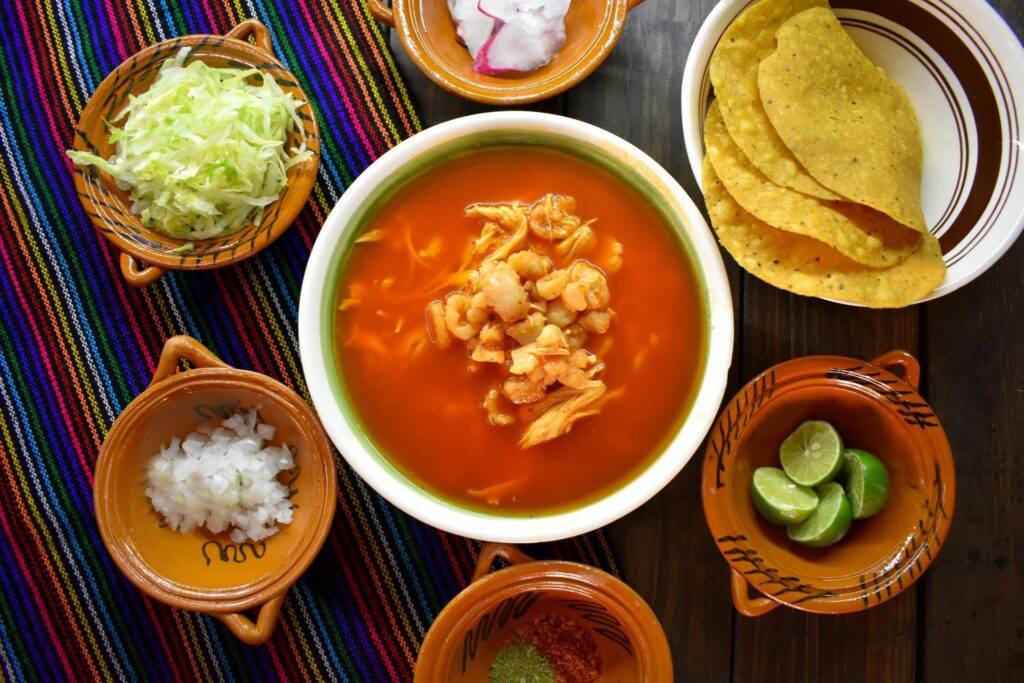
Traditional Mexican moles — built on dried chili, chocolate, spices, and hours of patient layering — receive no benefits from soy sauce.. The fermented, wheat-forward character muddies rather than deepens a mole negro or mole poblano, and the same logic holds for pozole, menudo, and most slow-cooked South American stews where the flavor architecture is entirely self-contained. The test is simple: if a dish has no natural entry point for savory fermentation, soy sauce doesn’t belong there. If it involves wok technique, a marinade, or a braising liquid where layered umami makes structural sense — it probably does.
Naturally brewed soy sauce — made through fermentation, not chemical hydrolysis — behaves differently in a dish than the industrially produced versions that dominate many Latin American supermarket shelves. The Japan Soy Sauce Information Center offers a clear primer on what “naturally brewed” means and what to look for on a label.
Soy sauce arrived in Latin America the same way most good things do — carried by people moving between worlds, finding common ground in a shared love of flavor. It didn’t need a manifesto. It just needed a wok, a marinade, and a cook willing to use what worked.
The Marinade That Makes the Case
Carne asada is the most honest demonstration of everything this article argues. The marinade below uses light soy sauce alongside lime, garlic, and dried chili — its natural counterparts in northern Mexican cooking. Nothing announces itself as Asian. The soy sauce simply pulls the other flavors into focus.
Serves 4
Ingredients
- 800 g (about 1¾ lb) skirt steak or flank steak, trimmed
- 3 tablespoons naturally brewed light soy sauce
- Juice of 2 limes
- 3 garlic cloves, finely grated
- 1 tablespoon neutral oil (such as sunflower or canola)
- 1 teaspoon dried oregano (Mexican oregano if available)
- 1 teaspoon ground cumin
- 1 dried guajillo or ancho chili, stemmed, seeded, and soaked in hot water for 15 minutes, then finely chopped
- Freshly ground black pepper
Method
- Whisk together the soy sauce, lime juice, garlic, oil, oregano, cumin, and chopped chili until combined.
- Place the steak in a shallow dish or zip-lock bag and pour the marinade over it, turning to coat evenly.
- Refrigerate for at least 2 hours, or up to 8 hours. Avoid marinating longer — the lime’s acidity will begin to break down the surface of the meat.
- Remove from the refrigerator 30 minutes before cooking. Grill over high heat for 3 to 4 minutes per side for medium-rare, depending on thickness.
- Rest for 5 minutes, then slice thinly against the grain. Serve in tortillas with salsa, sliced onion, and fresh cilantro.
Note: Light soy sauce carries the salt load here, so don’t add additional salt to the marinade before tasting. Chemically produced soy sauce will taste sharp and one-dimensional against the lime — a naturally brewed version integrates cleanly and leaves no trace of its origin.