By Keiko Kuroshima, the soy sauce sommelier
Soy sauce is made from four core ingredients: soybeans, wheat, salt, and water. But some soy sauces, produced both inside and outside Japan, and sold in markets around the world also contain amino acid liquid.
Look at store shelves in many countries and you’ll often find products grouped by whether that ingredient is present. In Japan, the home of soy sauce brewing, the question goes further: it’s not just whether amino acid liquid is added but when? That timing determines which brewing method a producer must declare on the label, as defined by the Japanese Agricultural Standards (JAS).
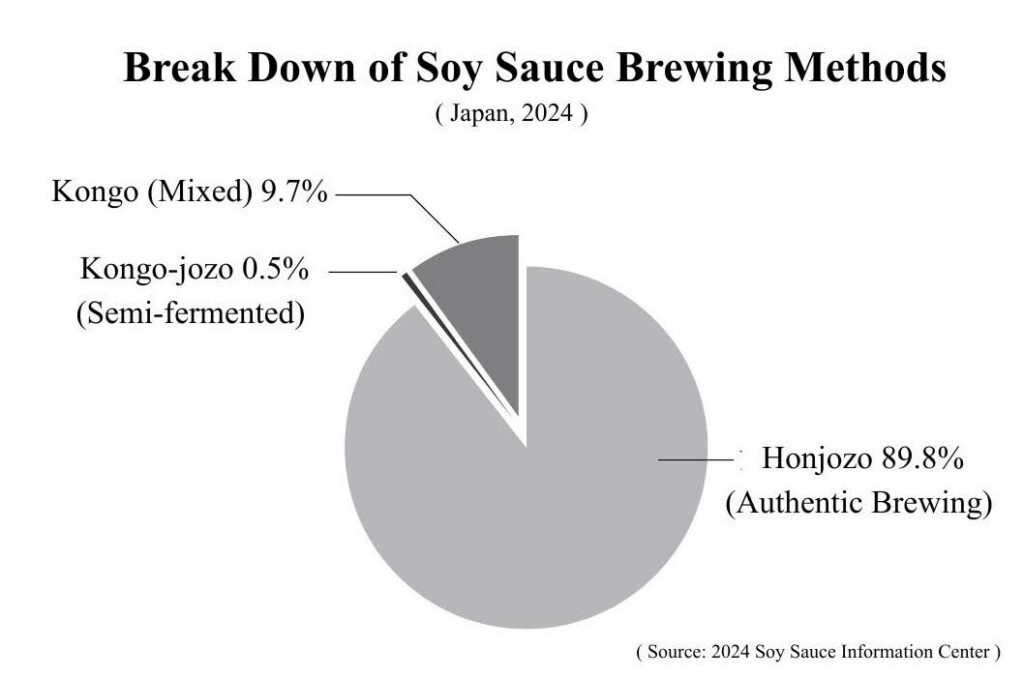
There are three classifications:
Honjozo (本醸造): No amino acid liquid is added. Fermentation relies entirely on the natural activity of microorganisms and the enzymes they produce. It’s a slower, natural process.
Kongojozo (混合醸造): Amino acid liquid is added to the moromi (fermenting mash) before pressing. The mixture then continues to ferment and mature for at least one month. That extended time softens the sharp aroma that amino acid liquid can carry on its own.
Kongo (混合): Amino acid liquid is added to a finished honjozo soy sauce after pressing. JAS regulations cap the quantity at 80% on a nitrogen basis. Enzyme-hydrolyzed seasoning liquid or fermented enzyme-hydrolyzed seasoning liquid may be used in place of amino acid liquid; the brewing method designation remains the same either way.
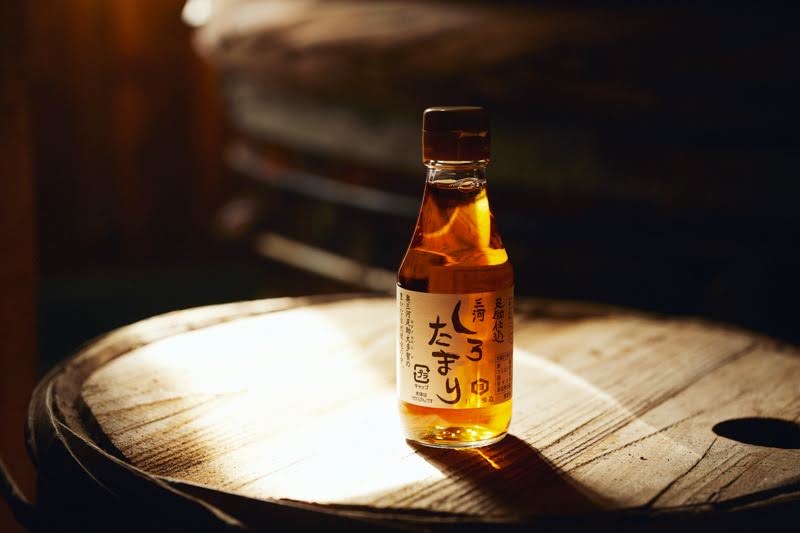
One distinction worth keeping in mind: honjozo doesn’t mean additive-free. It refers specifically to the absence of amino acid liquid. A honjozo soy sauce may still contain sugar, amino acid additives, sweeteners, or other materials. The brewing method and the full ingredient list are both printed on the label. Knowing how to read them together is the clearest way to find the soy sauce that suits you.