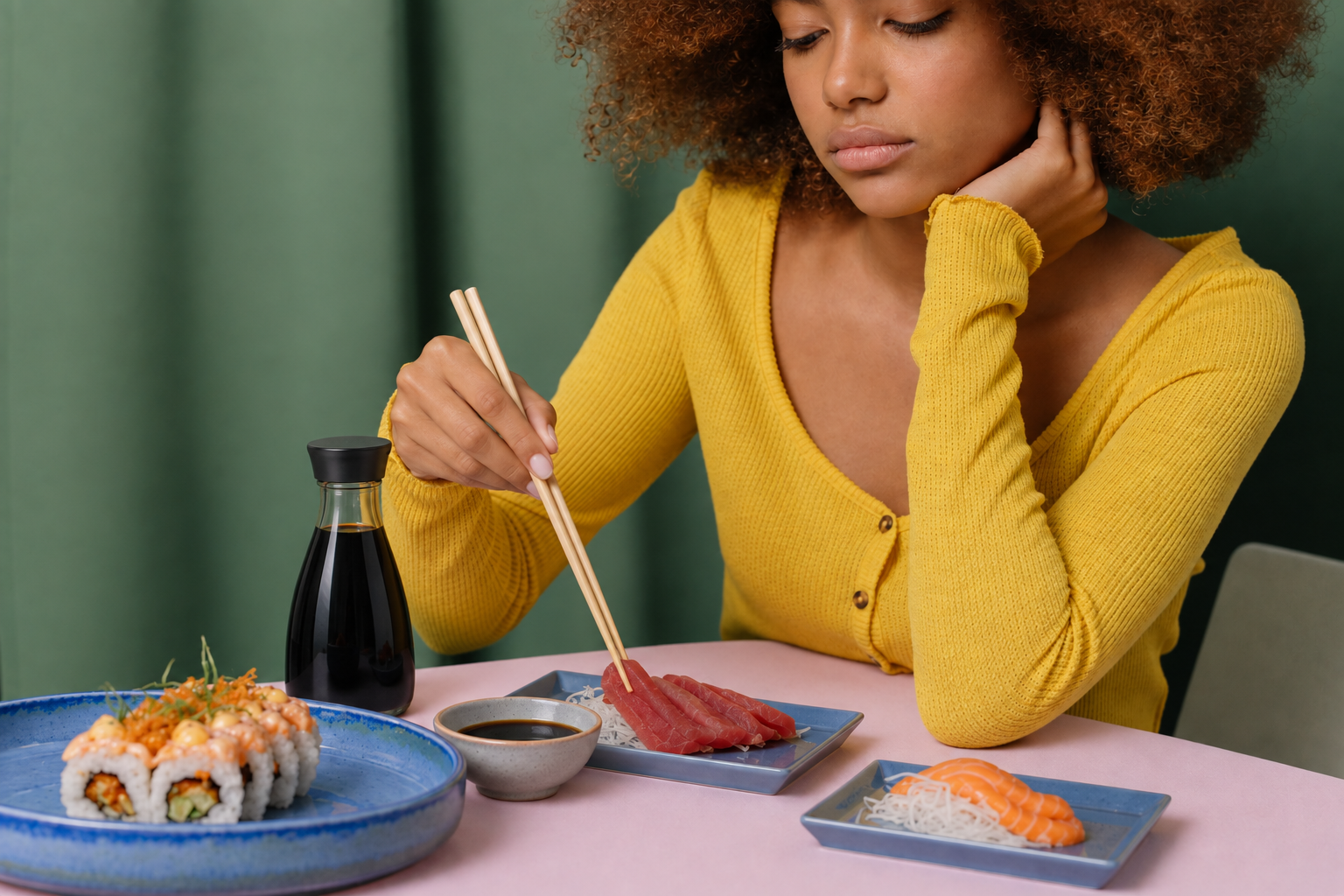
You discover a bottle of soy sauce in the back of your pantry, the label faded, the date printed on the cap long past. You unscrew the top, sniff cautiously, and wonder: Is this still safe to use? The short answer is yes, probably. The longer answer requires understanding about what soy sauce actually is and why its composition makes it nearly indestructible.
Soy sauce doesn’t spoil in the way milk or meat does. Its high salt content (typically between 14%-18%) creates an inhospitable environment for most bacteria and mold. According to the Japan Agricultural Standards (JAS), naturally brewed soy sauce undergoes fermentation that produces compounds with antimicrobial properties, including lactic acid and alcohol, which further stabilize the product. This means that even an opened bottle left at room temperature for months will remain safe to consume, though its flavor and aroma will degrade over time.
What Changes Over Time?
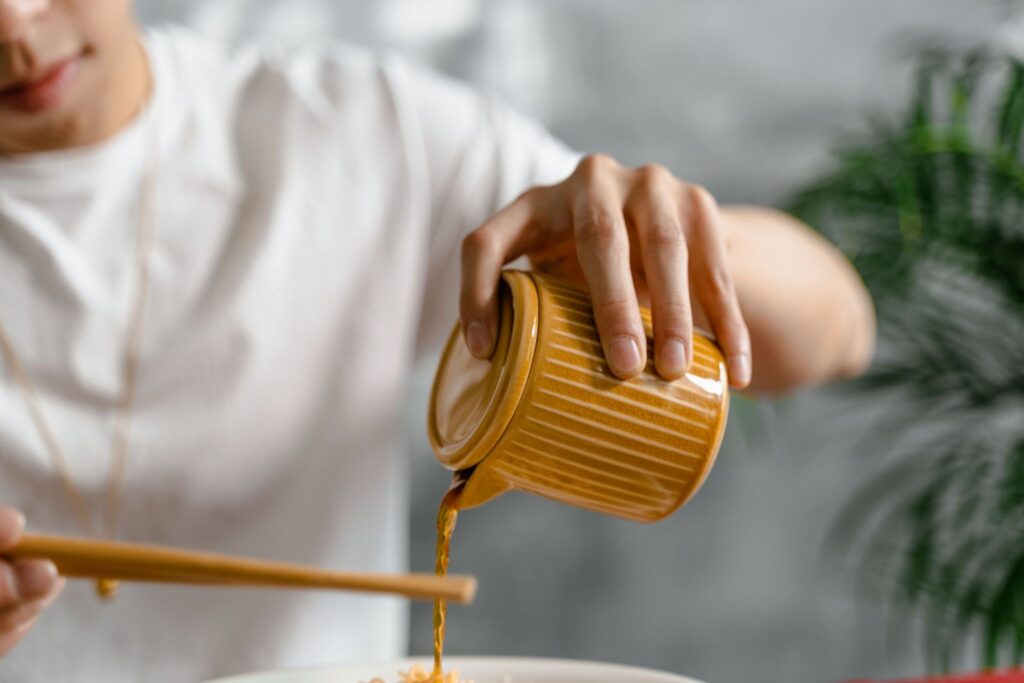
Quality, not safety, is the real concern with aging soy sauce. Once opened, exposure to air triggers oxidation, which gradually breaks down the aromatic compounds responsible for soy sauce’s complex flavor. The color may darken slightly, shifting from deep amber to almost black, and a thin film or sediment may form at the bottom of the bottle. These changes are purely cosmetic and don’t indicate spoilage. The salt and fermentation byproducts continue to preserve the liquid indefinitely.
Research published in Foods found that during storage, chemical reactions occur in soy sauce that alter its aroma profile. These include the Maillard reaction (where amino acids and sugars interact to create new flavor compounds), oxidation (exposure to air breaking down aromatic molecules), and esterification (alcohols and acids combining to form fruity-smelling esters). The study noted that while the product remains microbiologically stable, the concentration of key aroma-active compounds changes over time, with some volatile compounds decreasing as they evaporate or oxidize, leaving behind a flatter, more one-dimensional salty taste.
Refrigeration: Necessary or Optional?
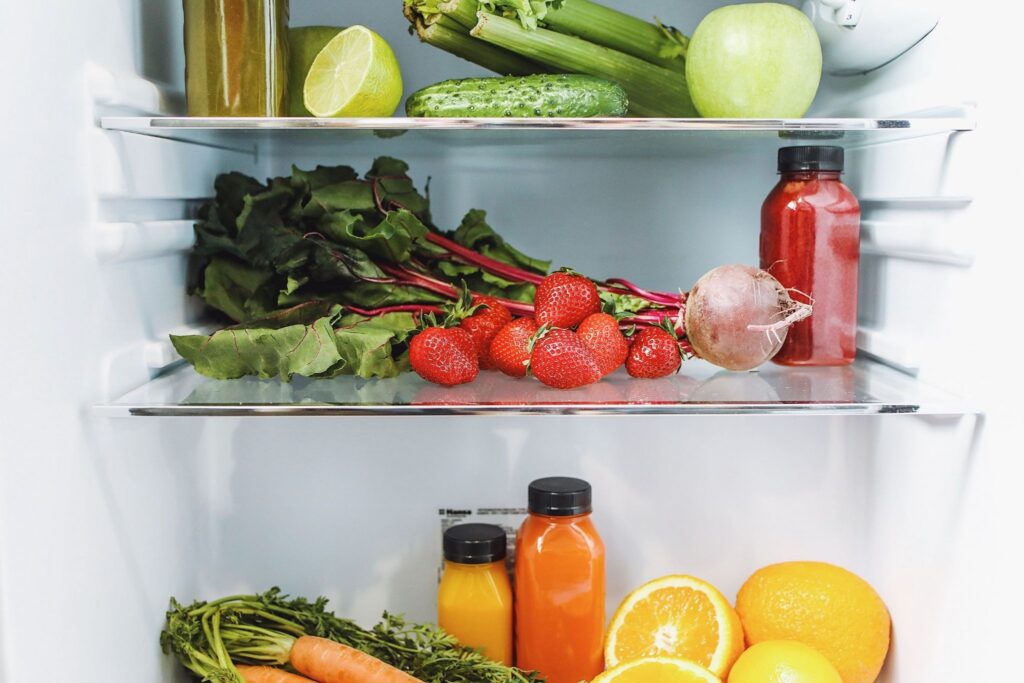
The refrigeration debate has a straightforward answer: it depends on how quickly you use it and how much you care about flavor. Manufacturers often recommend refrigeration after opening to slow oxidation and preserve the delicate balance of umami, sweetness, and aroma. The Kikkoman Corporation, one of Japan’s largest soy sauce producers, states that refrigeration extends the flavor life of opened soy sauce by slowing chemical reactions that degrade taste compounds, though it does not affect safety.
If you use soy sauce daily or weekly, pantry storage is fine for three to six months. The bottle won’t harbor dangerous bacteria, but the flavor will slowly fade. If you use it infrequently (perhaps only for an occasional stir-fry or marinade), refrigeration keeps it tasting closer to its original profile for up to a year or more after opening.
Signs of Degradation
True spoilage in soy sauce is rare but not impossible. If the bottle has been contaminated (perhaps by double-dipping with a dirty spoon or storing it in a damp, poorly sealed container), mold can grow on the surface. This appears as fuzzy spots, usually white or greenish, floating on top of the liquid. If you see mold, discard the bottle. Similarly, if the soy sauce smells rancid, sour beyond its natural fermented tang, or tastes off in a way that’s distinctly unpleasant rather than simply bland, it’s time to replace it.
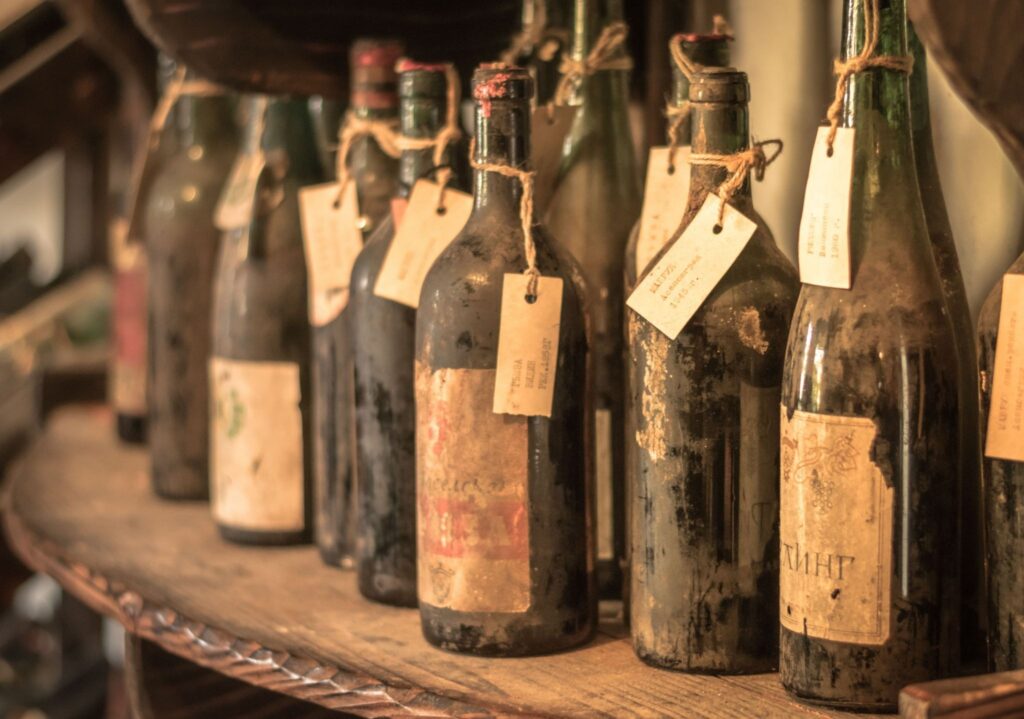
Unopened bottles stored in a cool, dark place remain stable for years, often well beyond the printed best-by date. That date reflects peak quality, not safety. An unopened bottle from 2020 will still be perfectly usable in 2025, though its aromatic complexity may have diminished slightly.
Best Practices for Storage
Keep soy sauce away from direct sunlight and heat sources, which accelerate oxidation and flavor loss. Store it in its original bottle with the cap tightly sealed after each use to minimize air exposure. If you buy soy sauce in bulk, transfer smaller portions into a clean, airtight bottle for daily use and keep the larger container sealed and refrigerated.
For premium or artisan soy sauces, particularly those with shorter fermentation times or lower salt content, refrigeration is more critical. These products often contain fewer preservatives and more delicate flavor profiles that degrade faster at room temperature.
The reality is simple: soy sauce is one of the most stable condiments in your kitchen. It won’t make you sick, but it can lose the depth and character that make it worth using in the first place. Treat it with care, store it thoughtfully, and you’ll always have a bottle ready when you need it.