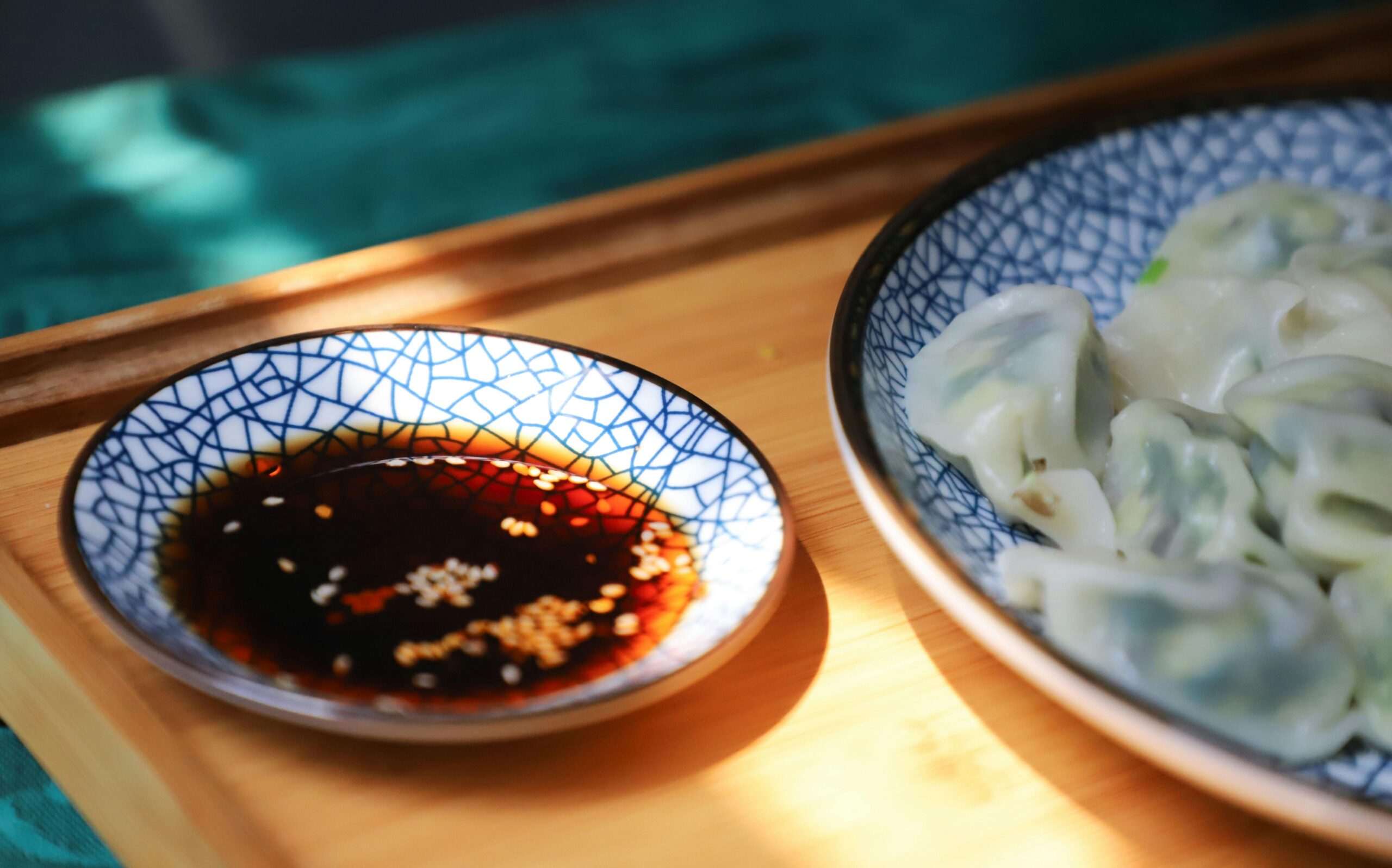
Before there were brands, there were rivers. The soy sauce regions of Japan didn’t emerge from culinary ambition alone — they grew out of something far more practical: geography. The breweries that defined Japanese soy sauce production did so because they sat in the right place at the right time, near waterways that could move ingredients in and product out, in climates where fermentation thrived.
As Eric C. Rath argues in Japan’s Cuisines: Food, Place and Identity, cuisines are “attempting to create the very relationships between people, food and places that their cuisines purportedly describe” — and nowhere is that more literal than in Japanese soy sauce, where terrain didn’t just inspire flavor. It produced it.
Noda: Where the Rivers Did the Work
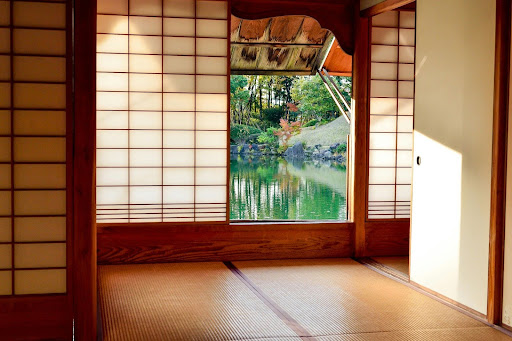
No place illustrates this better than Noda, a city in Chiba Prefecture positioned between two major waterways. The Tone River to the north and the Edo River to the south gave local brewers direct access to transport routes for raw materials and finished product — a decisive advantage as Edo, now Tokyo, expanded rapidly and demanded feeding. The Kantō Plain also ranked among Japan’s top-producing regions for soybeans and wheat, placing Noda directly between the fields and a fast-growing urban market.
That edge hardened into dominance. The koikuchi shoyu brewed there — dark, balanced, equal ratios of soybeans and wheat — became Japan’s default seasoning, now accounting for roughly 80% of all domestic production, according to the Japan Soy Sauce Information Center. What started as a geographic accident became a national standard, and Kikkoman, which traces its roots to Noda’s Edo-period brewing families, industrialized it into a globally recognized brand.
Tatsuno: When the Goal Was Invisibility
Geography shaped Tatsuno differently. A castle town in Hyogo Prefecture about 500 kilometers southwest of Noda, Tatsuno sits near the mouth of the Ibo River, with access to soft, low-iron water that proved ideal for a specific purpose: keeping soy sauce pale. The result was usukuchi shoyu — a light-colored soy sauce designed not to darken a dish.
The name misleads almost everyone. “Light” refers to color, not salt. Usukuchi actually runs saltier than koikuchi, typically 18–19% sodium, because shorter fermentation and the addition of amazake — a sweet fermented rice drink — slow the Maillard reaction that deepens color, while higher salt compensates as a preservative. This reflects a Kyoto-rooted cooking philosophy that prizes the natural appearance of ingredients over the caramelized warmth of darker sauces. Higashimaru Soy Sauce, one of Tatsuno’s most established producers, has been making usukuchi for over 300 years. The style holds such a grip on Kansai kitchens that swapping it for koikuchi in a traditional Kyoto soup changes the dish visually before it changes it on the palate.
Shodoshima: The Island That Refused the Tank
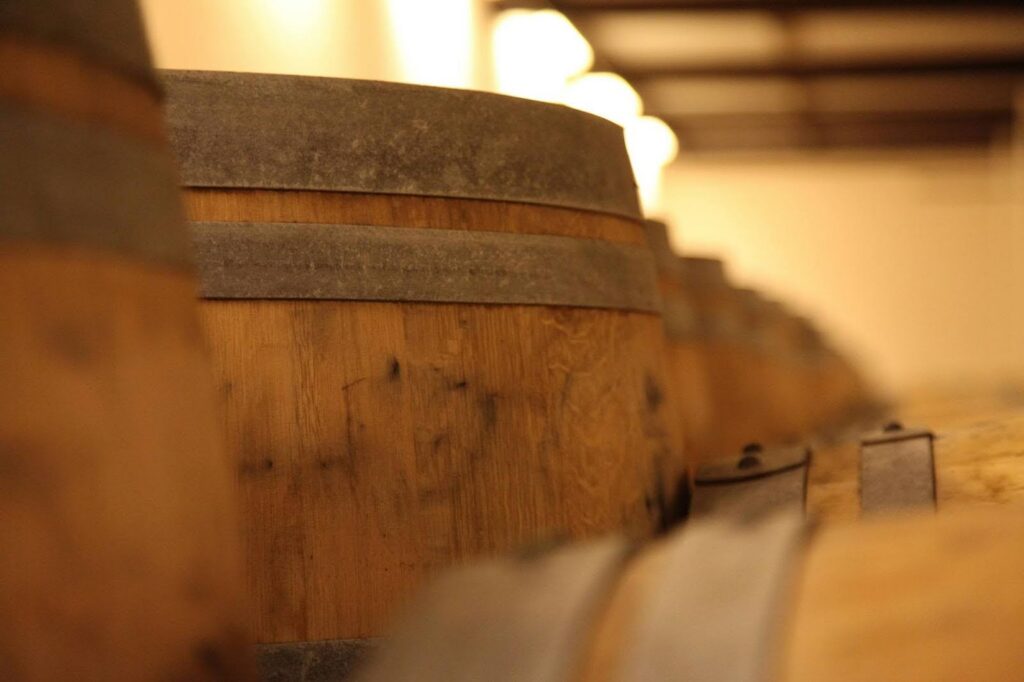
Then there’s Shodoshima — a small island in the Seto Inland Sea with no obvious geographic claim to brewing fame. What it has is insularity, a long fermentation tradition, and producers who, when most of Japan switched to stainless steel after World War II, largely didn’t.
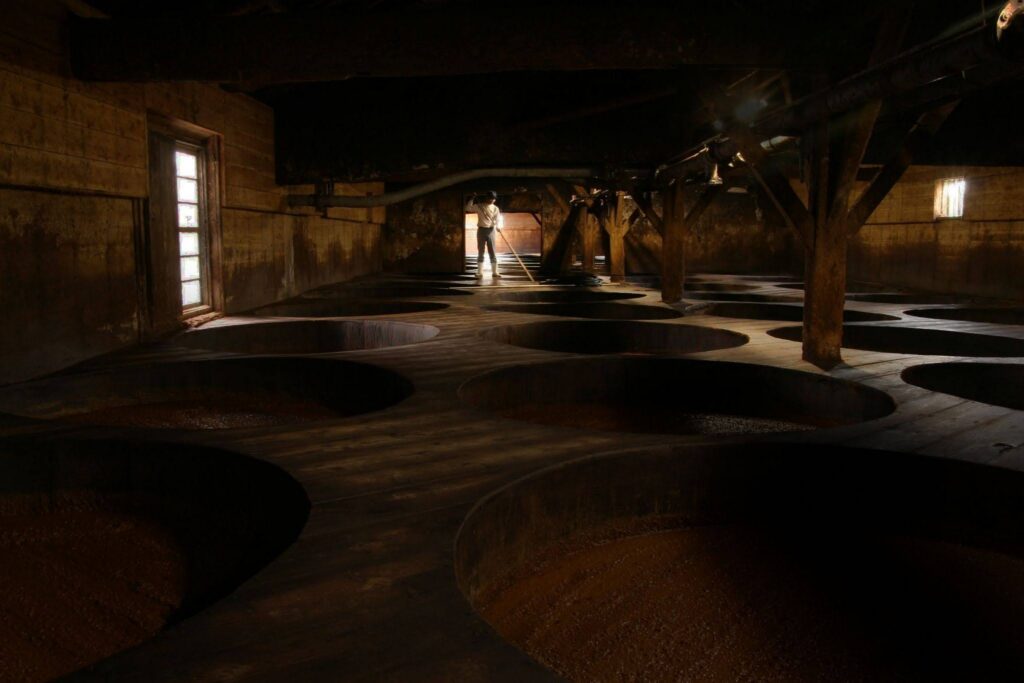
Shodoshima is where kioke brewing — fermentation in massive wooden cedar barrels — survived when it nearly vanished everywhere else. As Yasuo Yamamoto, head of Yamaroku Shoyu, a fifth-generation producer on the island, told Soy Sauce Professor on Yasuo Yamamoto: The Brewer Who Says Humans Can’t Make Soy Sauce: “It is not the humans who make soy sauce. Microbes make soy sauce. Humans only accompany microbes in their work of fermentation.” Yeast colonies and wild microorganisms colonize the wood grain across cycles, producing flavor compounds that controlled steel environments cannot replicate. Yamaroku hosts the Kioke Craftsman Revival Project each January to train younger brewers in barrel-making. Less than 1% of Japan’s soy sauce is currently fermented this way.
Noda, Tatsuno, and Shodoshima each developed in direct response to the land and water around them. The Kantō rivers shaped koikuchi. The Ibo River and Kansai aesthetics shaped usukuchi. Shodoshima’s isolation preserved kioke. Geography didn’t just influence flavor; it created it. When you look at where a bottle was brewed, you’re not reading a label — you’re reading a landscape.