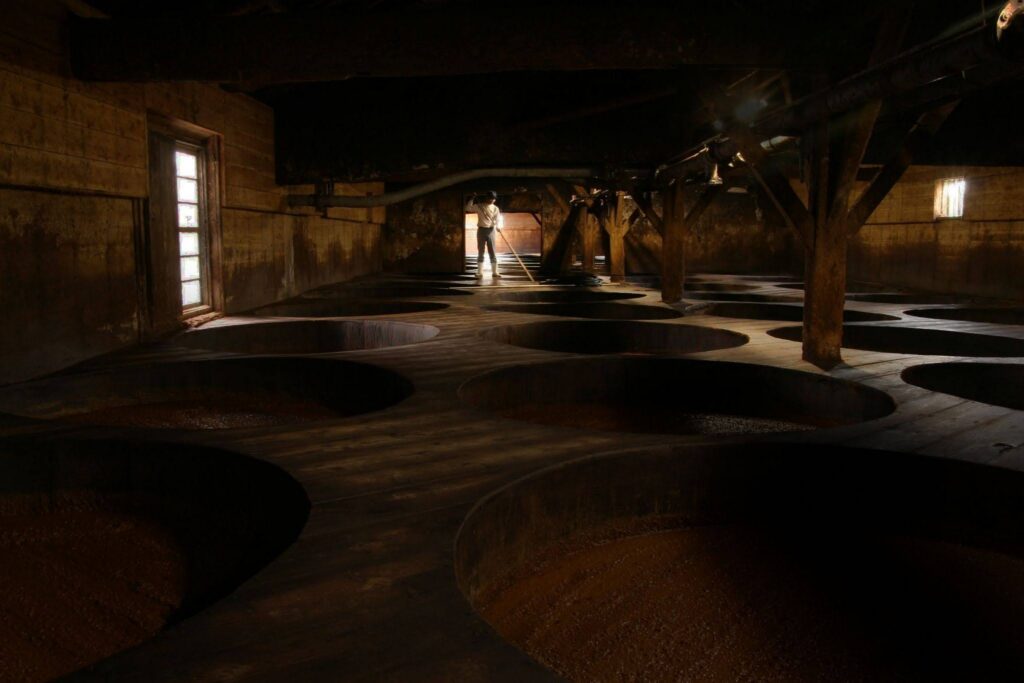
The Mediterranean had its own soy sauce once. It was called garum — a fermented fish condiment that Romans produced in large quantities. They aged it in clay amphorae under the sun and used it the same way East Asian cooks use soy sauce.
Food historian Sally Grainger documents this in The Story of Garum: Fermented Fish Sauce and Salted Fish in the Ancient World. She writes that the original Greek sauce garum descended from a fermented liquid that resembled Southeast Asian sauces. It was so central to Roman cooking that it formed a trade triad with oil and wine. Unfortunately garum disappeared from Western kitchens around the fall of the empire.
That’s part of why soy sauce in Mediterranean food feels less like a clash of traditions and more like a reunion between two culinary worlds that were always solving the same problem.
A Shared Instinct for Fermentation
What the Mediterranean and East Asia have in common — more than any single ingredient — is a deep, ancient fluency with fermentation as a tool for building flavor.
Research published in the American Journal of Clinical Nutrition found that modern fermented fish sauces, produced through the same salting and fermenting process as garum, contain glutamate at roughly 1,300 mg per 100 ml. That’s the same compound, at comparable concentrations, that creates umami depth in naturally brewed soy sauce.
The parallel isn’t cosmetic. Both traditions built their flavor foundations on microbial fermentation, protein hydrolysis, and salt. One used soybeans and wheat; the other used fish and brine.
Where It Works, Region by Region

Greece and Turkey
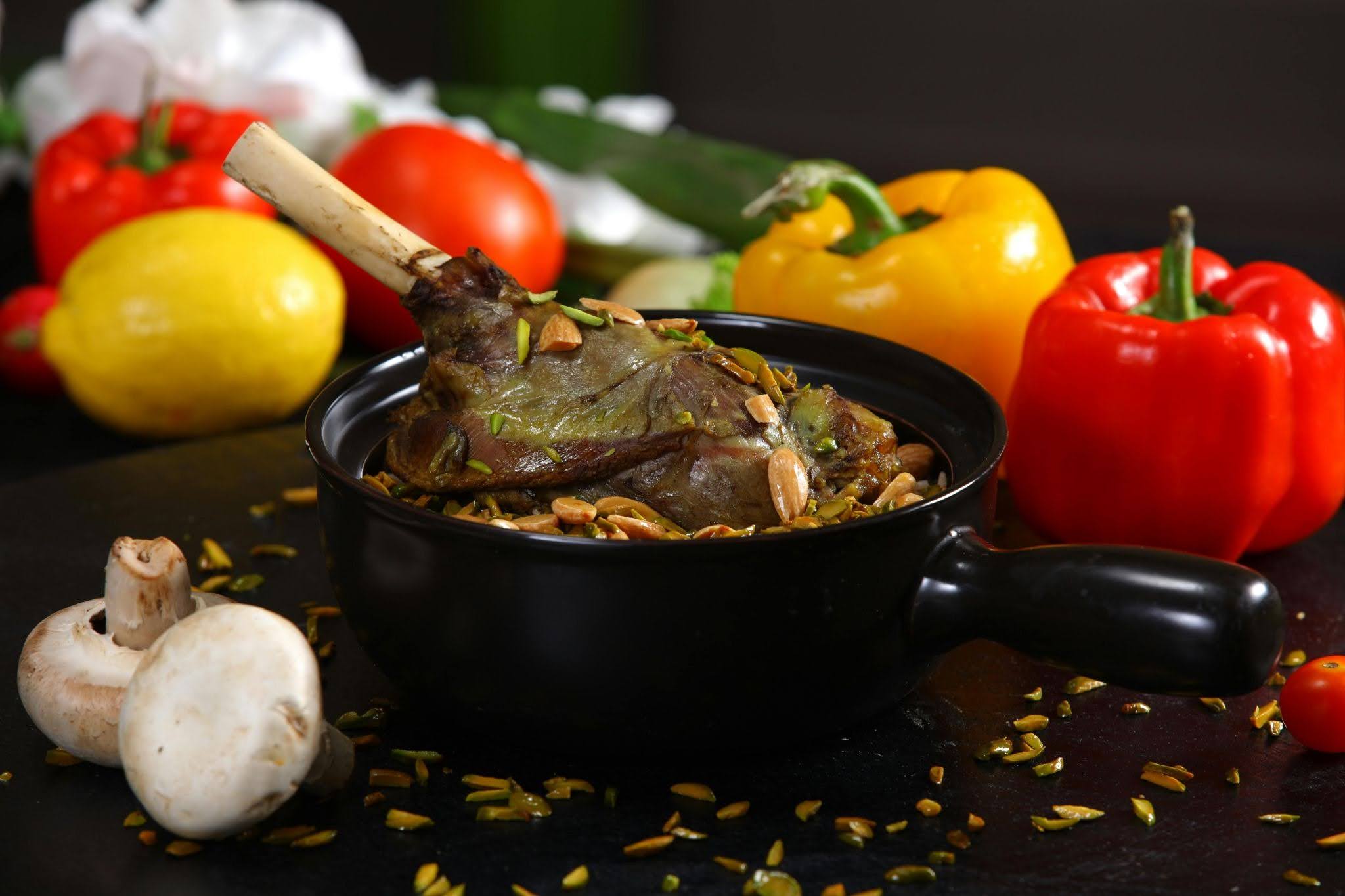
A marinade of naturally brewed soy sauce, lemon, garlic, and dried thyme applied to lamb or pork before grilling is the foundation that Greek and Turkish cooking already relies upon. The amino acids released during soy sauce fermentation tenderize protein and speed up surface browning over high heat. The result is a crust that salt-and-herb approaches alone rarely produce.
Lebanon and the Eastern Mediterranean
Dishes like kafta or slow-cooked lentils with caramelized onion carry bold spice profiles with enough structural weight to absorb a teaspoon of dark soy sauce in the braising liquid — without registering it as foreign.
Spain
Spanish cooking — particularly sofrito, the slow-cooked tomato and onion base that anchors so much of the cuisine — is where light soy sauce earns a quiet, invisible role. A small addition during cooking deepens the savory base without changing the color.
It functions the way a cook might reach for a splash of aged sherry to add to the flavor but not overpower the dish.
Knowing Where to Stop
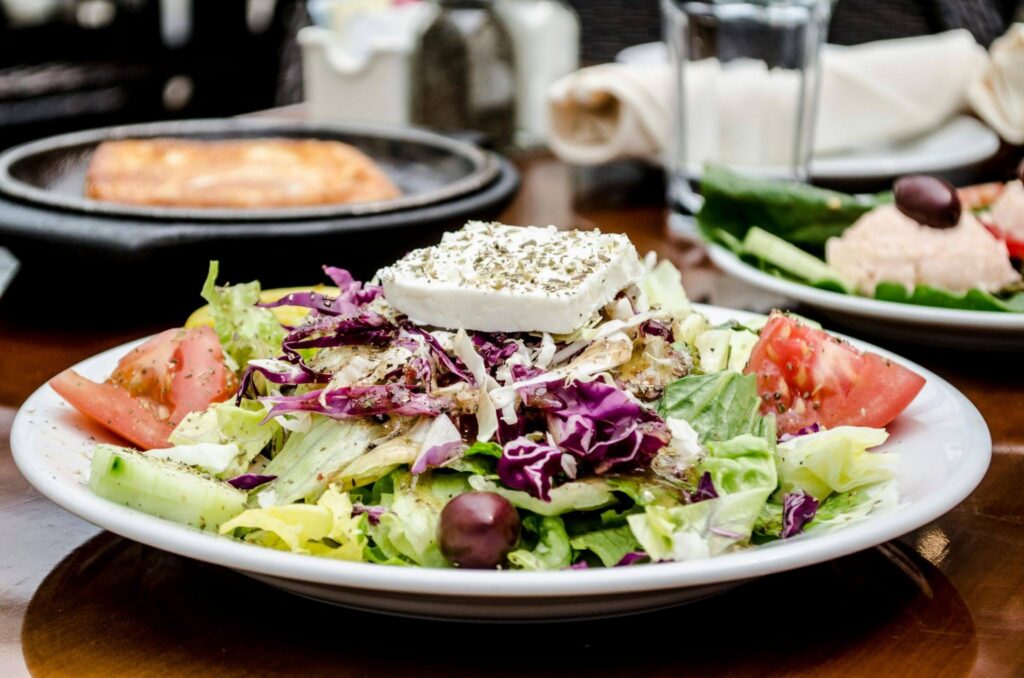
Dishes that have fresh vegetables: a fattoush, a Greek salad, a plate of mezze built around raw vegetables and yogurt — these dishes rely on brightness and clarity. A fermented seasoning with soy sauce’s weight would be a distraction rather than enhance them.
The same logic applies to pale broths, cold seafood, and anything where the visual freshness of the ingredient is part of the dish’s identity.
The test is simple:
- If a dish is already self-contained, soy sauce won’t improve it.
- If it involves heat, time, and protein — a marinade, a braise, a slow-cooked base — it probably will.
Garum didn’t go into every Roman dish either. It went into the ones that needed it, and the cooks who understood that distinction used it best. Two thousand years later, the logic holds.
Soy sauce doesn’t crash Mediterranean cooking. It completes what fermentation already started.
The Grill as Common Ground: Grilled Lamb Marinade
Grilled lamb skewers are where the argument becomes tangible. The marinade below uses light soy sauce alongside lemon, garlic, and dried herbs — the same flavor logic that defines Greek and Turkish grilling, with fermentation doing the structural work that salt alone cannot. Nothing on the plate signals East Asia. The soy sauce disappears into the result.
Serves 4
Ingredients
- 800 g (about 1¾ lb) boneless lamb shoulder, cut into 4 cm cubes
- 3 tablespoons naturally brewed light soy sauce
- Juice of 1 lemon
- 3 garlic cloves, finely grated
- 2 tablespoons olive oil
- 1 teaspoon dried oregano
- 1 teaspoon dried thyme
- ½ teaspoon ground cumin
- Freshly ground black pepper
- Wooden or metal skewers
Method
- Whisk together the soy sauce, lemon juice, garlic, olive oil, oregano, thyme, and cumin until combined.
- Add the lamb cubes and turn to coat evenly. Cover and refrigerate for at least 2 hours, or overnight.
- Remove from the refrigerator 30 minutes before cooking. Thread the lamb onto skewers.
- Grill over high heat for 3 to 4 minutes per side, turning once, until charred at the edges and just pink in the center.
- Rest for 5 minutes before serving. Pair with flatbread, sliced tomato, and a yogurt sauce seasoned with garlic and dried mint.
Note: Light soy sauce carries the salt here — taste the marinade before adding any extra. A naturally brewed version integrates with the lemon and herbs without announcing itself; a chemically produced one won’t.