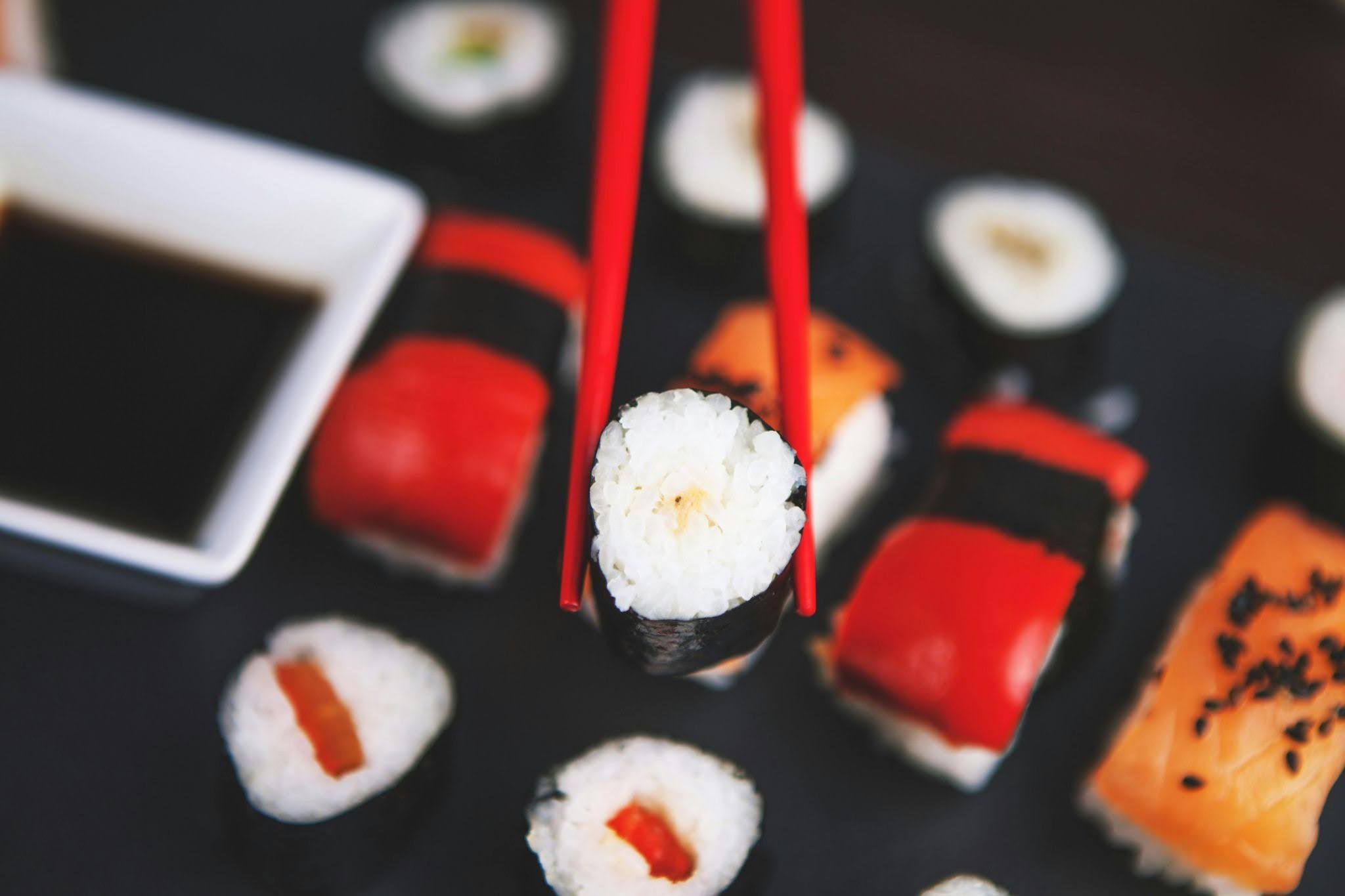
June 18 is International Sushi Day, global excuse to sit at a counter, order something beautiful, and immediately reach for the soy sauce dish. That last part is where things get complicated.
Chefs have opinions. Diners have strong habits. And the soy sauce sitting between them carries more weight than most people realize. Understanding what that dish actually represents is the beginning of a much better meal, however you choose to eat it.
Chefs Have Feelings About This
Anthony Bourdain, Kitchen Confidential author, and host of CNN’s Parts Unknown felt strongly enough about this to write a graphic novel about it. Get Jiro!, published in 2012, depicts a dystopian future where sushi chefs run society and bad table manners are a capital offense. The premise is absurd. The feeling behind it isn’t.
In September 2025, Philip Kim, owner of Sushi J in Kitimat, British Columbia posted a sign on his front door: “We never serve extra soy sauce, rude people, intoxicated people.” Soy sauce was highlighted in red.
Kim explained his reasoning in a social media post covered by CBC News: customers who drowned their sushi in extra sauce never became regulars. They remembered the taste of the sauce, not the fish.
Most chefs feel the same way. They just don’t put it on the door.
What’s Already on the Fish
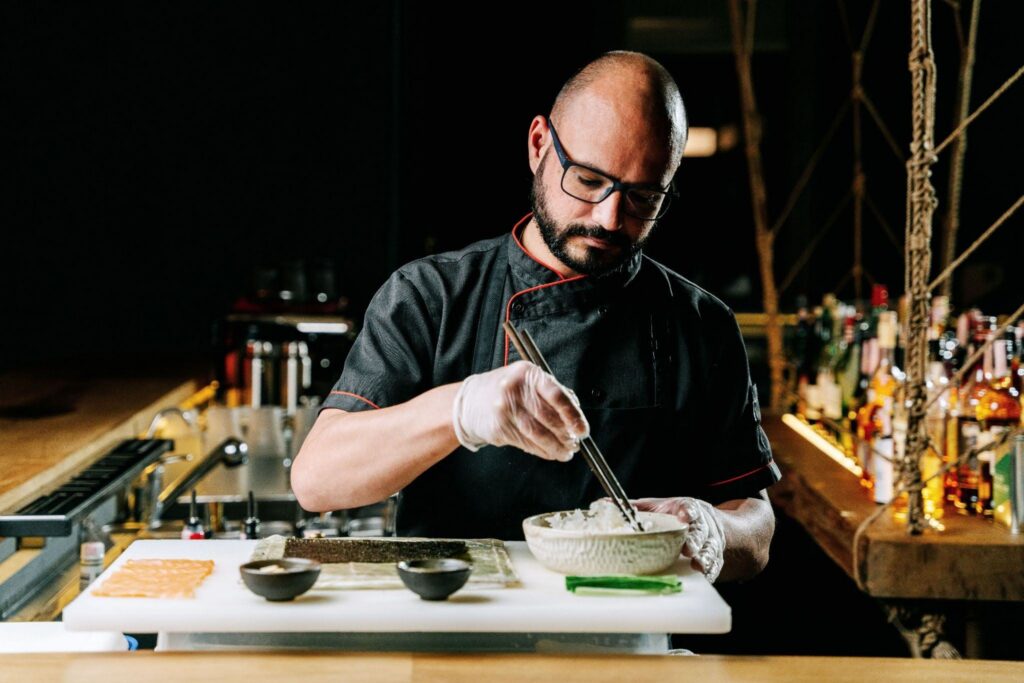
At fine omakase counters, restaurants following the Edomae tradition that originated in Edo-period Tokyo, the soy sauce dish often doesn’t appear at all. Not an oversight but a statement.
The chef applies nikiri instead, a prepared soy sauce reduction, brushed onto each piece just before it reaches your hand. The fish arrives already seasoned. Precisely. Intentionally.
Adding soy sauce on top doesn’t improve it, it double-seasons a dish that’s already finished. Think of a chef finishing a steak in brown butter before it hits the plate. That last step belongs to whoever knows the ingredient best. The sushi counter works exactly the same way.
So Why Is the Dish There at All?
Dipping sushi in soy sauce isn’t a Western invention. But doing it freely, and in volume, largely is.
When sushi arrived in American restaurants in the 1970s, it left most of its counter culture behind. The shift is well documented. Writing for Stanford University’s Intersect Journal, researcher Jason Brown traces how sushi went from a connoisseur experience built on craft and ritual to a convenience food sold with soy sauce packets and disposable chopsticks. The dish on the table made the journey. The knowledge of how to use it didn’t always come along.
At casual and mid-tier restaurants, the soy sauce dish belongs there. The format calls for it and there’s nothing wrong with using it. The real question is simpler: do you know what kind of restaurant you’re in and whether the chef has already done the work?
When the Dish Is There, Use It Well
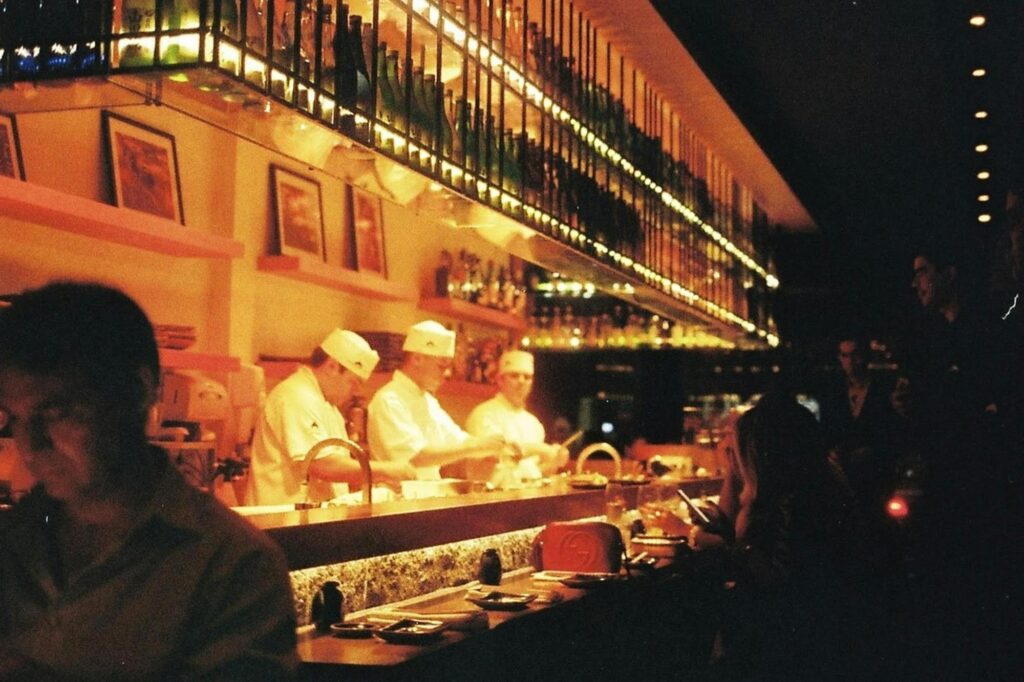
Fish-side down, every time. The neta (fish topping) should make brief, light contact with the soy sauce. The shari (vinegared rice) shouldn’t touch the dish at all. Rice absorbs liquid fast and falls apart. That’s physics, not etiquette.
For maki and uramaki, rolls where ingredients are wrapped inside nori or rice with no exposed fish, a corner-dip works best. Touch one end of the roll lightly to the sauce and eat it in a single bite. The goal is a hint of salinity, not saturation.
Take it one step further: think about what’s actually in the dish. Most casual counters pour a commercially blended koikuchi shoyu, consistent, versatile, built for exactly this.
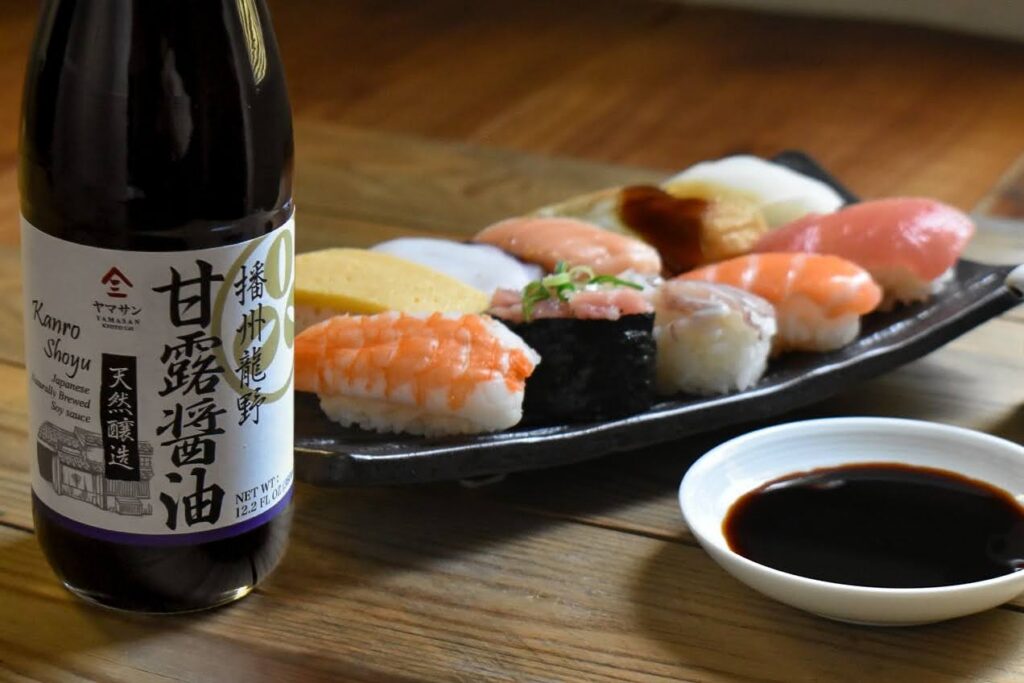
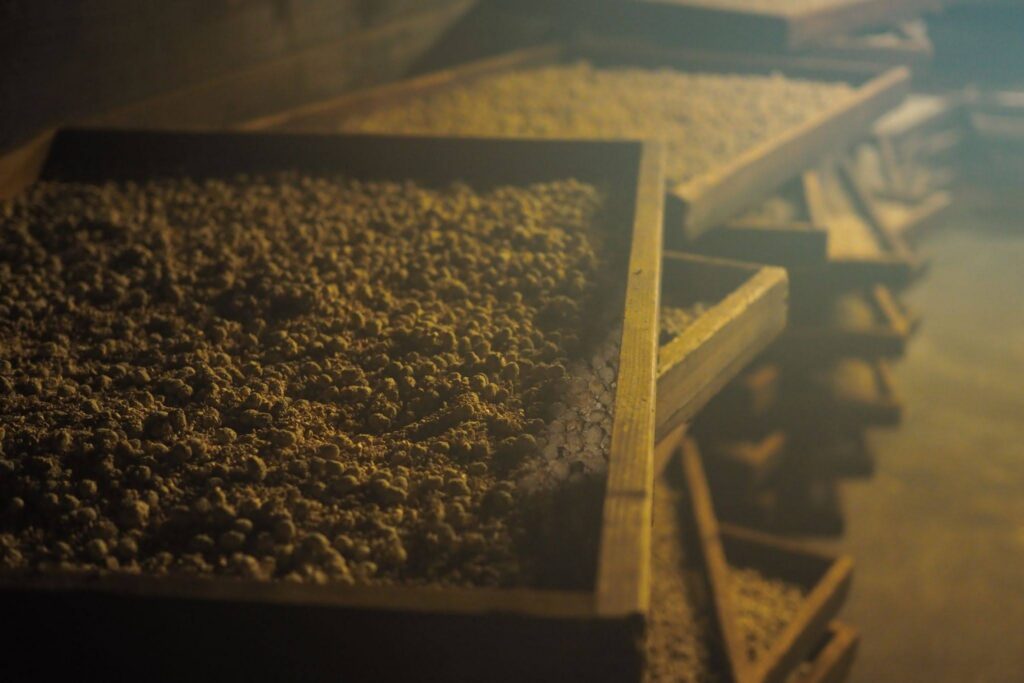
Some counters make a more deliberate choice. Japan’s JAS system grades soy sauce by fermentation depth, and the label “naturally brewed” (honjozo) means the sauce spent months fermenting the traditional way, not a chemical shortcut. When a counter gets that right, it shows by how the fish tastes. Worth noticing, wherever you’re sitting.
Trust Is the Condiment
“So much thought goes into the end result,” Kim told The Guardian. “And to see someone take that work, and drown it in soy sauce, it just hurts.”
The dish on the table isn’t an instruction to stop. It’s an invitation to pay attention. Whether you dunk freely, dip lightly, or trust a chef who’s already made the call, knowing a choice was made before you sat down makes everything on the plate more interesting.
Eat however brings you the most pleasure. But knowing a choice was already made before you sat down changes how you taste what’s in front of you. That’s worth knowing.