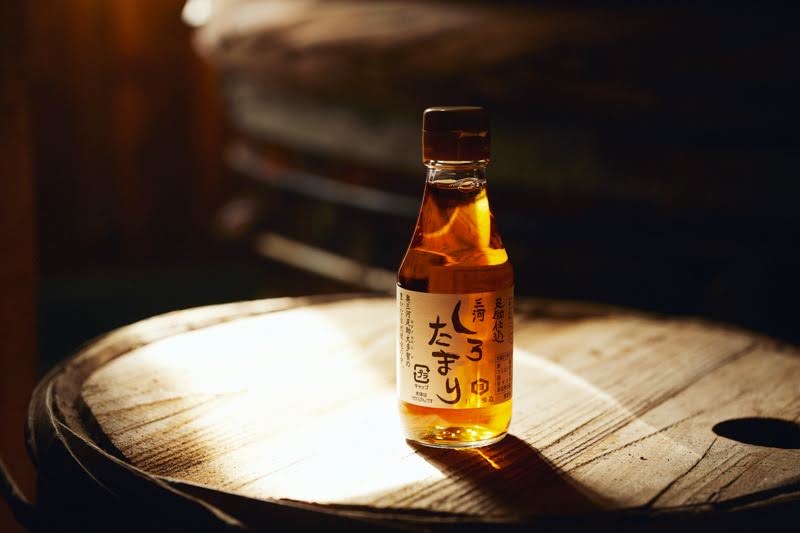
The bottle says tamari. Your recipe calls for usukuchi. The store shelf has ganjang sitting next to koikuchi, and you’re not entirely sure what any of these words mean.
Soy sauce terminology spans multiple languages, regional traditions, and production methods. Most bottles offer little explanation beyond the name itself.
Understanding these terms isn’t about memorizing foreign words. It’s about knowing what you’re buying, how it was made, and when to use it. This glossary decodes the most common soy sauce terms you’ll encounter on labels, recipes, and across Asian cuisines.
Japanese Terms: The Five Types of Shoyu
Japan’s soy sauce classification system is governed by the Japan Agricultural Standards (JAS), which recognizes five distinct types of shoyu; the Japanese word for soy sauce.
Koikuchi (濃口) translates to “dark mouth” or “thick flavor” and represents roughly 80% of all soy sauce consumed in Japan, according to data from the Japanese Soy Sauce Brewers Association. This is the all-purpose soy sauce used by most people and restaurants.
Koikuchi is made from roughly equal parts soybeans and wheat. It’s fermented with koji mold (Aspergillus oryzae) and brine over several months. This koji mold has been used for more than 1,000 years in the making of sake, miso, and soy sauce.
Usukuchi (淡口) means “light mouth.” This term refers to color, not sodium content.
In fact, usukuchi contains more salt than koikuchi; typically around 18–19% compared to koikuchi’s 16–17%. It’s lighter in color because the fermentation process is shorter and includes ingredients such as sweet rice wine to slow darkening.

Tamari (たまり) is the oldest style of Japanese soy sauce. Modern tamari is made with little to no wheat which gives it a thicker consistency and deeper flavor than koikuchi. While many tamari products are gluten-free, not all are so checking the label is essential.
Saishikomi (再仕込) translates to “twice-brewed.” It describes a soy sauce fermented not with saltwater brine, but with already-finished soy sauce. This double fermentation creates a darker, sweeter, more complex sauce with less sodium.
Shiro (白) means “white” and refers to the palest of all Japanese soy sauces. It’s made with a higher proportion of wheat to soybeans and fermented for a shorter time. The result is a light amber color delicate flavor.
Korean Terms: Ganjang and Its Variants
Ganjang (간장) is the Korean word for soy sauce.
Yangjo ganjang (양조간장) refers to naturally brewed soy sauce (similar to Japanese koikuchi).
Joseon ganjang (조선간장), also called guk ganjang (국간장), is a traditional Korean soy sauce made without wheat. It’s often a byproduct of doenjang (fermented soybean paste). It has a thinner consistency, lighter color, and is primarily used for soups and stews.
Food historian Cecilia Hae-Jin Lee writes in Eating Korean that traditional ganjang “provides the backbone of flavor in Korean soups without overpowering other ingredients.”
Chinese Terms: Light and Dark
In Chinese, soy sauce is called jiangyou (酱油), which translates to “sauce oil.”
- Sheng chou (生抽), or light soy sauce, is saltier, thinner, and used for seasoning.
- Lao chou (老抽), or dark soy sauce, is aged longer, often with added molasses or caramel. This gives it a thicker texture, a sweeter taste, and a darker color. It’s primarily used to add color to braised dishes and stir-fries.
Production and Ingredient Terms
Naturally brewed or honjozo (本醸造) indicates that the soy sauce was made through traditional fermentation without chemical hydrolysis.
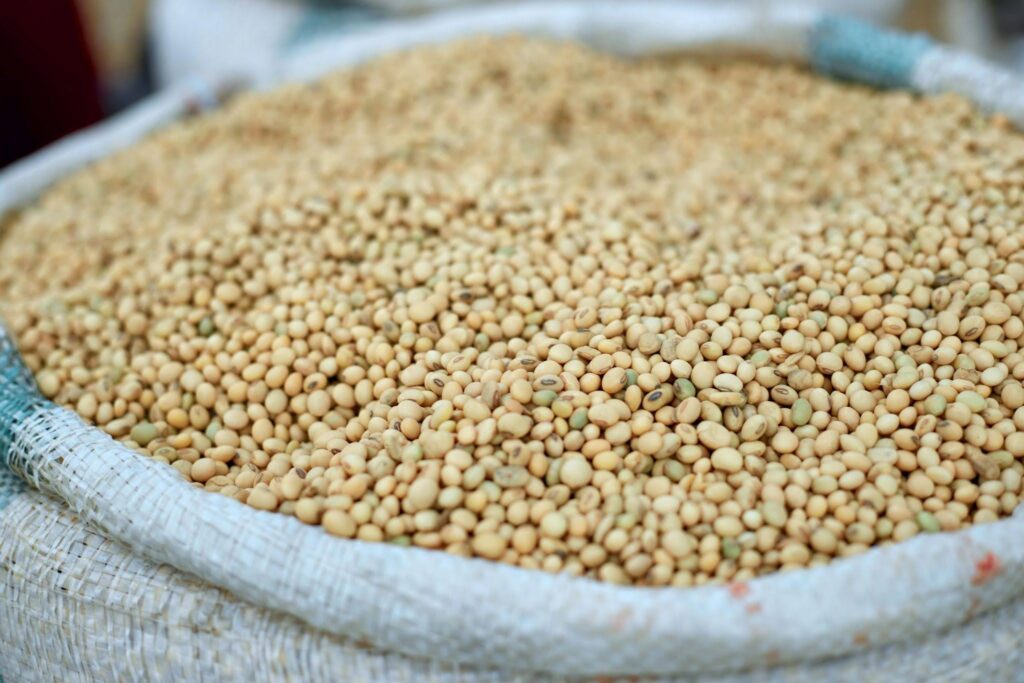
Marudaizu (丸大豆) means “whole soybeans.” It indicates that the soy sauce was made using whole soybeans rather than defatted soybean meal. Whole soybean soy sauce tends to have a richer, more rounded flavor.
Koji (麹) refers to the mold culture used to break down starches and proteins during fermentation.
Moromi (諸味) is the fermenting mash of soybeans, wheat, koji, salt, and water that eventually becomes soy sauce after aging and pressing.
Why These Terms Matter
Each term on a label represents a decision…about ingredients, fermentation time, regional tradition, and intended use.
When a recipe calls for usukuchi and you reach for tamari, the dish will turn out differently. Not wrong, but different. Knowing the glossary means knowing what to expect and how to adjust.