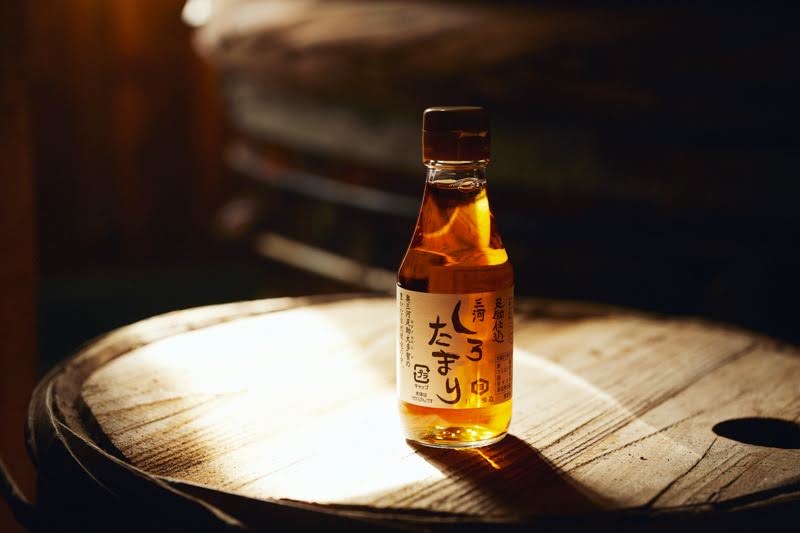
No soybeans. No dark color. No resemblance to the soy sauce most people grew up with. Soy Sauce Professor talked with Nitto Jozo about the sauce that breaks one of its own industry’s oldest rules.
A family-run brewery in Aichi Prefecture, Japan, founded in 1938, Nitto Jozo has spent three generations building exactly this contradiction on purpose.
Vice president Taisuke Ninagawa told us it started with his grandfather, who wasn’t satisfied with the white soy sauce of his era.
“My grandfather set out to create the ultimate expression of white soy sauce”, Ninagawa says. “He removed soybeans from the recipe and doubled the amount of koji, while also introducing locally grown wheat and carefully selected traditional sea salt”.
Removing soybeans sounds simple. It isn’t.
Soybeans give soy sauce its color and its umami kick. Ninagawa’s grandfather cut it out completely, then doubled down on everything else instead.
At a Glance: Nitto Jozo Shirotamari

The Rule They Broke
Aichi Prefecture already had a reason to want a paler soy sauce.
The region has traditionally used very dark tamari soy sauce in everyday cooking, Ninagawa says. “This created a demand for a seasoning that would not darken the appearance of dishes”.
That demand turned Aichi into the birthplace of shiro shoyu (white soy sauce), centered on Hekinan City, where Nitto Jozo is headquartered today.
Here’s the twist. Shirotamari’s own label doesn’t say soy sauce. It reads “wheat-fermented seasoning”.
We asked Keiko Kuroshima, Soy Sauce Sommelier, why. She pointed us to Japan’s Food Labeling Act, which only allows the words “soy sauce”, or even “white soy sauce”, on a product that contains soybeans. Shirotamari has none, so legally, neither name applies.
So where does “Shirotamari” come from then? It’s simply a brand name, chosen by Nitto Jozo, that borrows a word which traditionally means almost the opposite of what’s in the bottle: soybean-forward, not wheat-forward. A brand name and a legal label are two different things and the family gave their creation the name that told its story best.
The Long Way Home
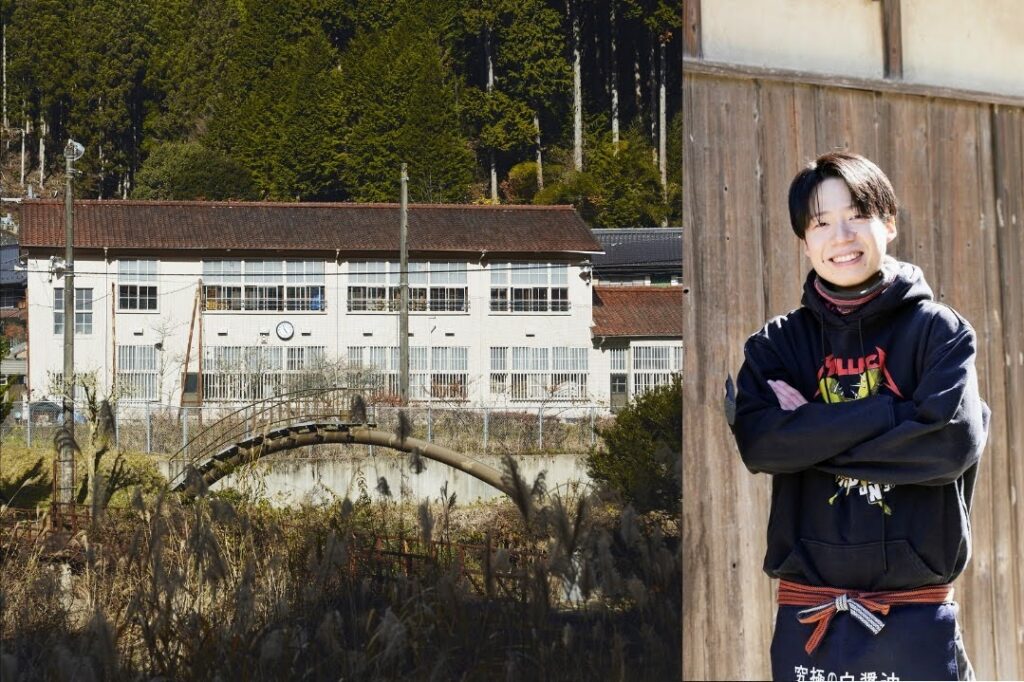
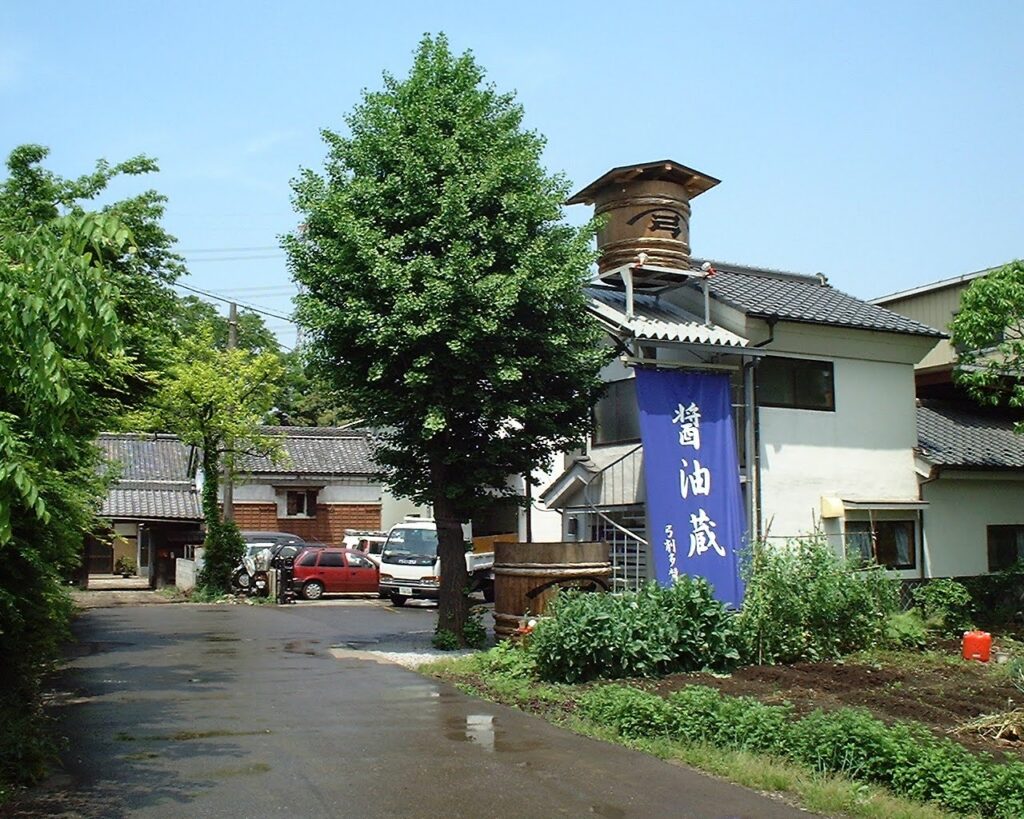
Taisuke Ninagawa, vice president, on the right. Nitto Jozo’s mountain aging facility in Otaga on the left.
For something that technically isn’t soy sauce, Shirotamari is made almost exactly like one.
Production starts at Nitto Jozo’s headquarters in Hekinan, on Aichi’s coastal plain, where wheat gets steamed and mixed with koji, the same mold behind miso, sake, and shoyu itself.
Then things get inconvenient on purpose.
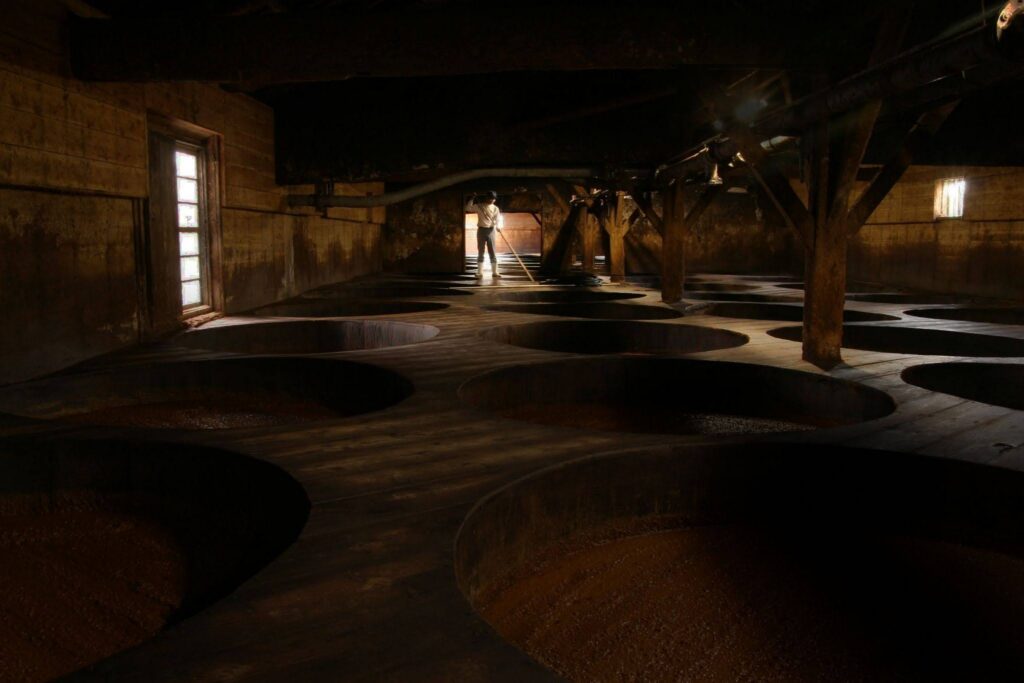
“After making the koji at our headquarters, we transport it to our brewing facility two hours away, where it is fermented in kioke wooden barrels”, Ninagawa says. Kioke are cedar barrels, prized for the microorganisms that build up in the wood over decades.
The facility itself sits in Otaga, a mountain village about 700 meters up in Toyota City, inside a repurposed schoolhouse. “Once the Shirotamari is ready, we bring it back to our headquarters for bottling”.
“This process is highly inefficient and costly”, Ninagawa admits. But he credits the local climate, the mountain water, and the barrel’s own microorganisms with a flavor Nitto Jozo can’t get anywhere else.
“We cannot fully understand or control everything that happens inside a kioke wooden barrel”, Ninagawa says. “We see our role as creating the best possible environment for the microorganisms to do their work”.
Wooden barrel fermentation now makes up roughly 1 percent of Japan’s soy sauce production, by Nitto Jozo’s own estimate. Steel tanks would be cheaper. They haven’t switched.
A Flavor Built to Travel
Fourth-generation owner Yoichi Ninagawa on the brewery and its mountain home
Picture wheat’s own mellow sweetness up front, a soft, round umami underneath, and a light fruitiness riding on the koji aroma. Nothing about it shouts the way a dark shoyu does.
That restraint is exactly why Ninagawa says people misjudge it. The biggest misconception about Shirotamari, he says, is that it only belongs in Japanese cooking.
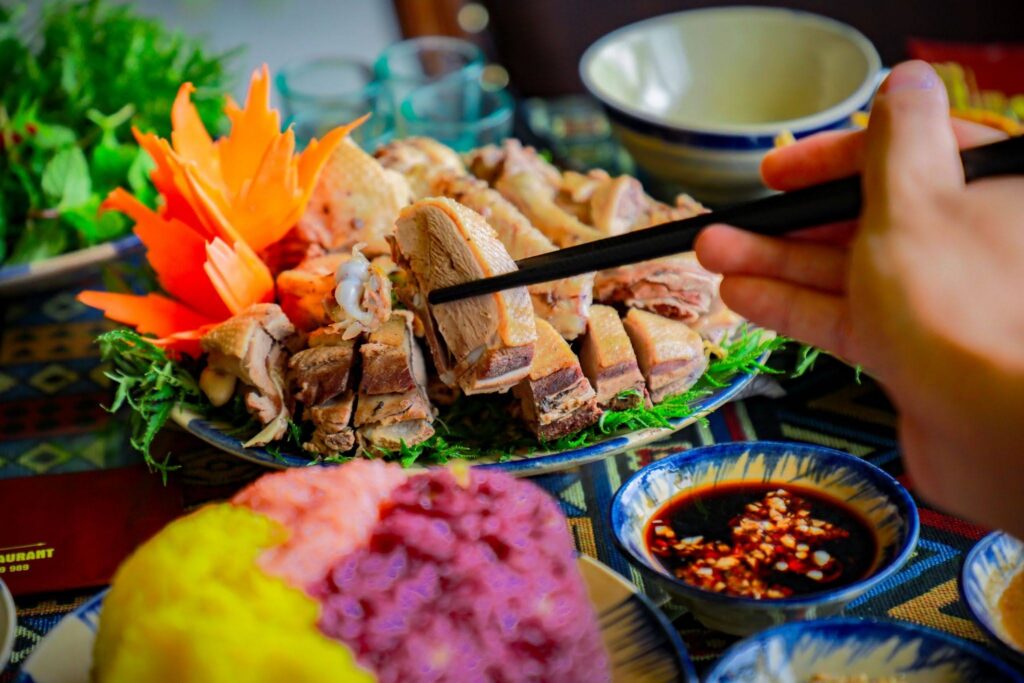
“It has less of the familiar flavor associated with conventional soy sauce”, he says. “This makes it suitable for a wide range of cuisines from around the world, allowing chefs to create new flavors without making the dish taste distinctly Japanese”.
Ninagawa suggests trying it the simplest way possible: brushed onto grilled kabocha squash or asparagus, just enough to bring out the vegetable’s own umami and sweetness without masking them.
It even turns up somewhere nobody expects. Pastry chefs in Japan blend it into fresh cream for dessert, a trick a dark, soybean-heavy shoyu could never pull off.
Passing Down a Contradiction
The grandfather who took soybean out of the recipe wasn’t the last to reshape it. A generation later, Ninagawa’s father moved the whole aging process into the mountains, chasing the water in Toyota City’s high country.
Through both changes, Ninagawa says, one thing never moved: “we do not pretend or take shortcuts. We simply work honestly to make something delicious”.
That’s also the job he sees for himself today, the latest chapter in a family effort that started in 1938.
“Our mission is to pass the culture of shiro shoyu on to our children and grandchildren. I see my role as fully inheriting this historic culture, translating it, and delivering it to the present day.”
Taisuke Ninagawa, Vice President, Nitto Jozo
So, is Shirotamari a soy sauce without soy? Legally, in Japan, no. Nitto Jozo seems at ease with that. The tradition always mattered more to them than the label.
But walk through everything that actually makes shoyu shoyu: the koji, the kioke barrels, three generations of small, deliberate choices. Shirotamari has all of it. It just left one ingredient behind on purpose.
Nitto Jozo is based in Aichi Prefecture, Japan. Shirotamari ships to the United States, the European Union, Australia, Thailand, and Taiwan, among other markets, and is available through select retailers such as The Japanese Pantry.
All images courtesy of Nitto Jozo