By Keiko Kuroshima, the soy sauce sommelier
Soy sauce is a fermented seasoning that symbolizes Japanese food culture. Its history is an accumulation of the wisdom of ancestors who adapted to their natural environment and their unceasing technological innovation. The word “soy sauce” first appears in historical records during the Azuchi-Momoyama period (1568-1600), but fermented seasonings that served as its prototype existed long before.
The Era of “Hishio,” the Origin of Soy Sauce
The prototype is considered to be a fermented food called hishio. Hishio refers to ingredients preserved by salting, and records indicate that during the Yayoi period (300 BC to 300 AD) there was gyoshō (fish hishio), made by salt-pickling fish. Hishio is broadly classified into gyoshō (fish hishio) and nikushō (meat hishio), made by salt-pickling fish and meat; sōshō (grass hishio), made by salt-pickling vegetables; and kokushō (grain hishio), made by salt-pickling grains.
Later, as the influence of Buddhism led people to avoid eating meat, grain hishio developed further. The production method for grain hishio is also recorded in the Qimin Yaoshu, China’s oldest agricultural text (544 AD), and it is believed to have been transmitted to Japan around the Asuka period along with fermentation techniques using koji. There is also a strong theory that during the Kamakura period, the monk Kakushin brought back the production method of Kinzanji miso from China, and the liquid that accumulated at the bottom of the miso barrel became the prototype of soy sauce.
The Establishment and Evolution of Soy Sauce
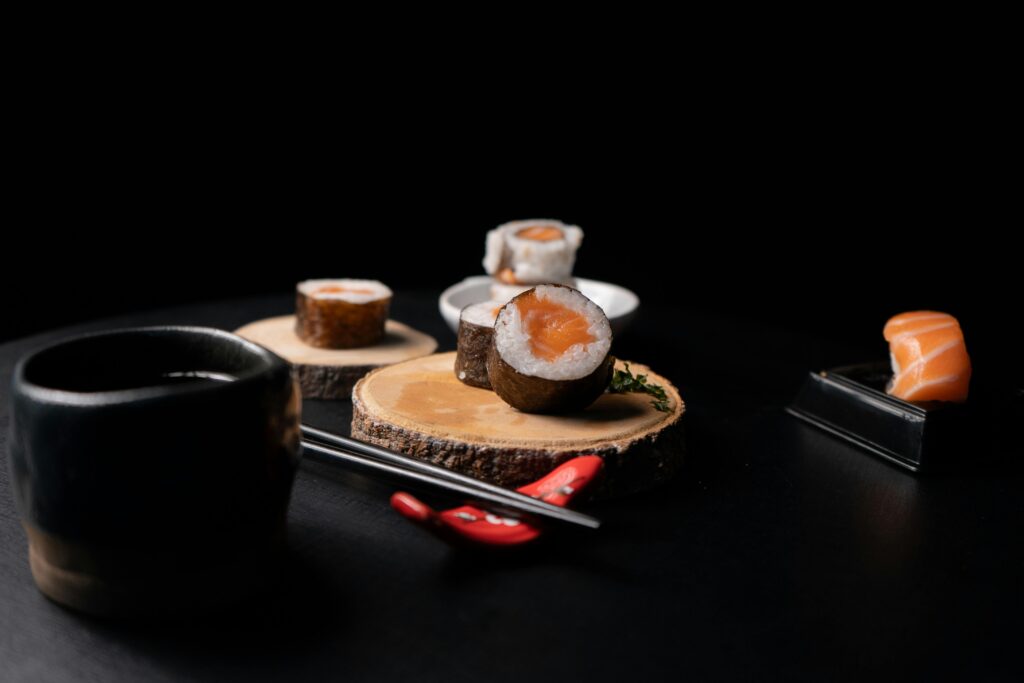
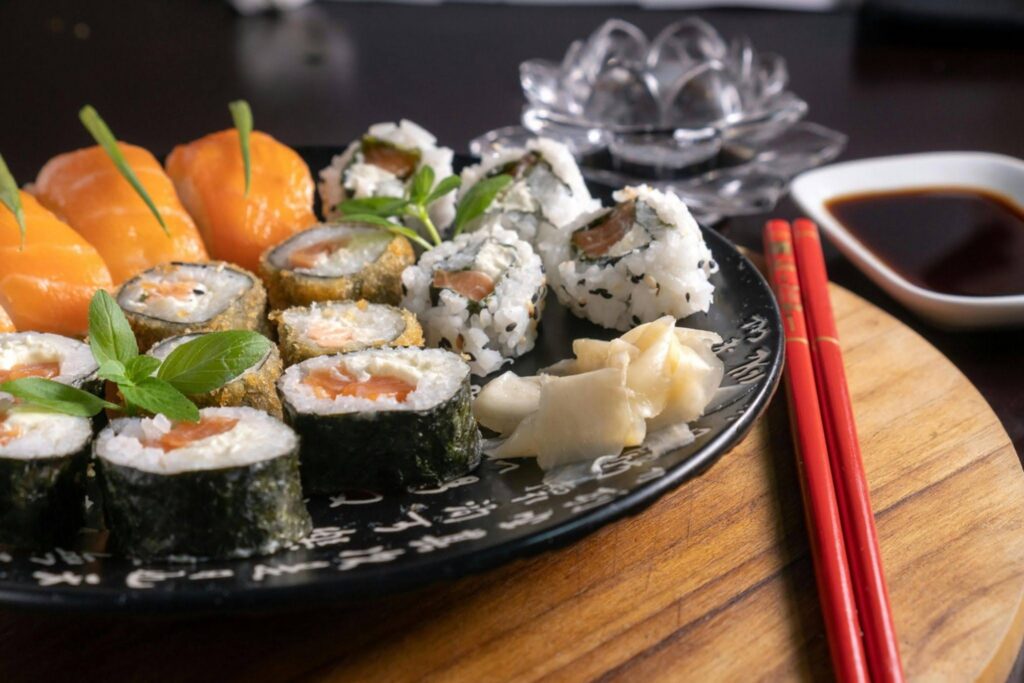
Full-scale soy sauce production expanded during the Edo period (1603 to 1868). The industry first developed in the Kansai region, and eventually koikuchi soy sauce emerged to suit the tastes of the people of Edo. It was also around this time that Edo dishes such as tempura, kabayaki, and sushi were perfected, and soy sauce became an indispensable seasoning in Japanese food culture.
In the Kinki region, usukuchi soy sauce was developed to preserve the natural color of ingredients; in Yamaguchi, saishikomi soy sauce; and in Aichi, tamari soy sauce along with shiro soy sauce — each region developing its own distinctive variety, laying the foundation for the diverse food cultures across Japan that continue to this day.

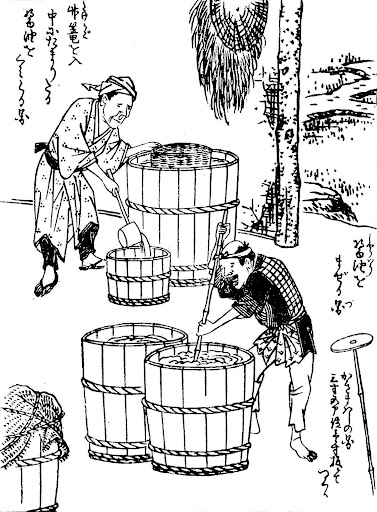
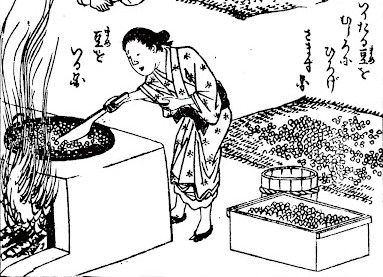
A depiction of soy sauce brewing in the Edo period. From “Kōeki Kokusankō,” Volume 5: On Soy Sauce Brewing (National Diet Library Digital Collections)
About the Author
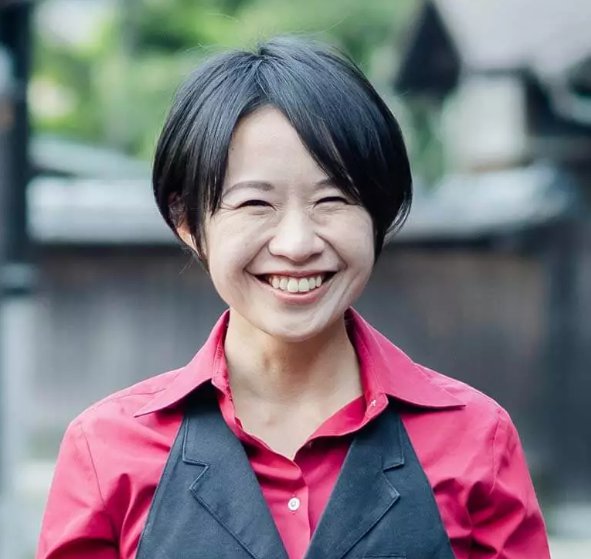
Keiko Kuroshima, based in Shodoshima, is a certified soy sauce sensory evaluator (shoyu kan’nō kensa-in) accredited by the Japan Soy Sauce Technology Center. She evaluates soy sauce for color, aroma, and taste in accordance with Japanese standards and is active in education, workshops, and publications on soy sauce culture and regional diversity.