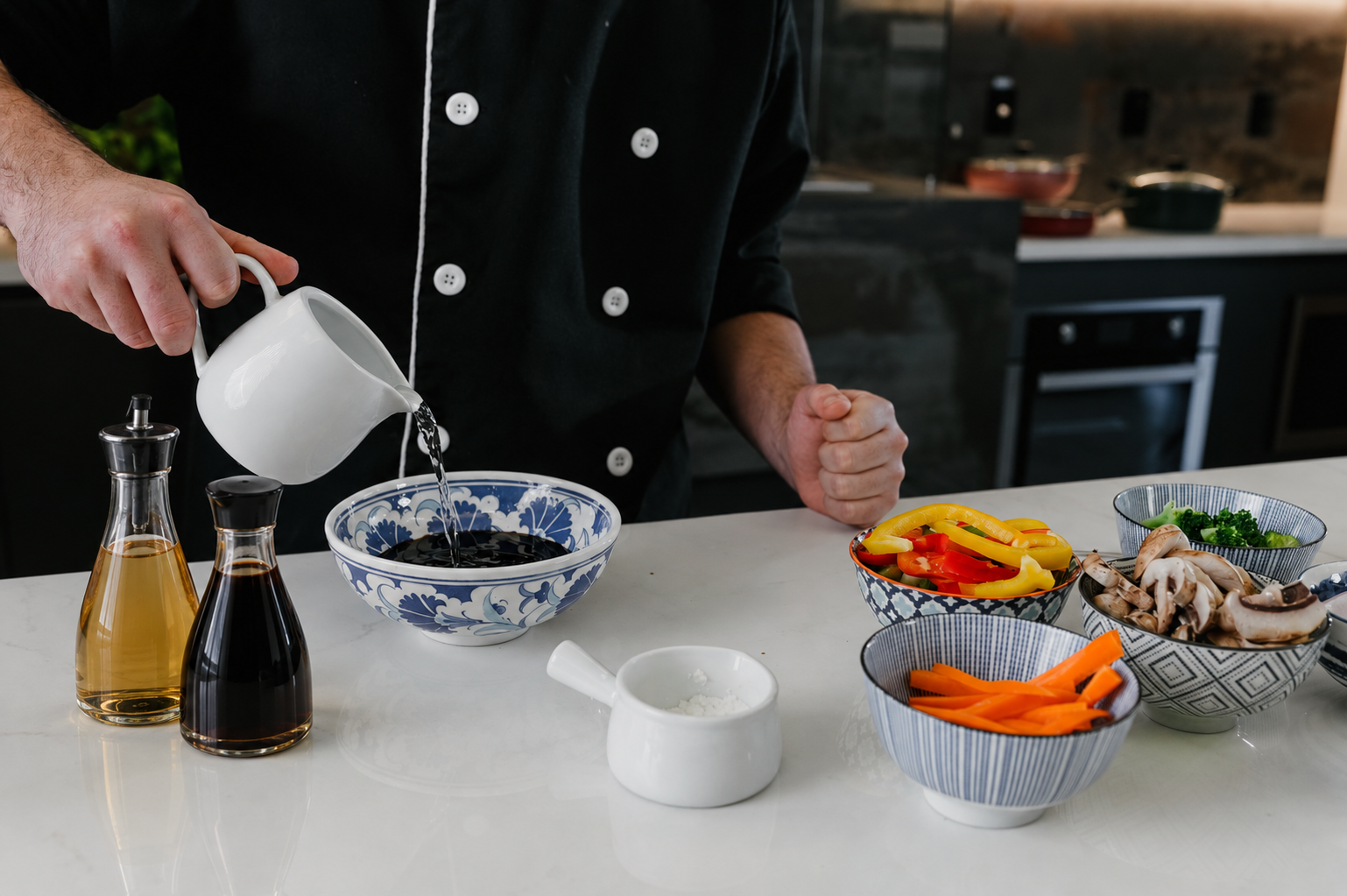
The recipe calls for “light” soy sauce… You grab the bottle labeled “light,” assuming it means low sodium, right? Well, now your stir-fry turns out underseasoned and pale. The mistake is common, but the lesson is clear: in Chinese cooking, “light” and “dark” have nothing to do with sodium content.
Light soy sauce is saltier and used for everyday seasoning. Dark soy sauce is sweeter, thicker, and used primarily for color. They are not interchangeable, and understanding the difference changes everything about how you cook with soy sauce.
What Is Light Soy Sauce?
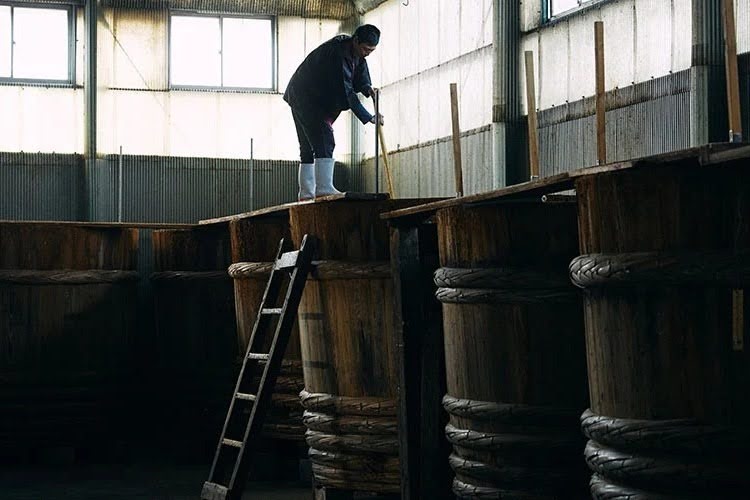
Light soy sauce, known as sheng chou in Mandarin, is the workhorse of Chinese cooking. Thin and amber-colored, it’s extracted early in the fermentation process, resulting in a bright, salty, umami-forward flavor. According to research published in Frontiers in Microbiology, traditional Chinese soy sauce fermentation relies on natural microbial selection over several months, producing complex flavor compounds through the breakdown of proteins and carbohydrates.
The term “light” refers to its color and body, not its salt content. In fact, light soy sauce is saltier than dark soy sauce. It’s the default seasoning in most Chinese dishes—used in stir-fries, marinades, dipping sauces, and cold dishes where you want to add flavor without darkening the appearance of the food.
Light soy sauce is made from fermented soybeans, wheat, salt, and water. After several months of fermentation, the liquid is pressed from the mash and bottled. The process is straightforward, and the result is a versatile, all-purpose seasoning that balances salt with a subtle sweetness and depth.
What Is Dark Soy Sauce?
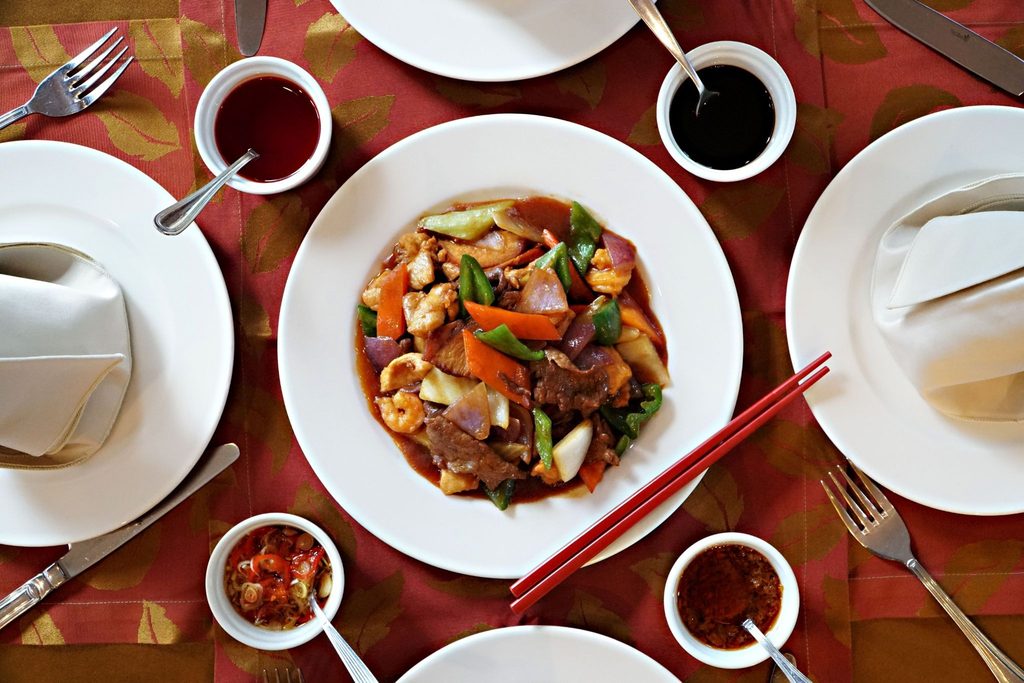
Dark soy sauce, or lao chou, translates literally as “old extraction.” It’s made by aging light soy sauce longer and often adding molasses or caramel for color and a mild sweetness. The extended fermentation mellows the saltiness and creates a thicker, syrupy consistency.
Dark soy sauce isn’t used for its salt. It’s used for its color. A small amount can transform pale noodles or braised meat into the glossy, mahogany-brown dishes associated with Chinese cooking. The flavor is less sharp than light soy sauce—more rounded, with subtle molasses notes.
Some varieties of dark soy sauce are infused with mushrooms, adding an earthy umami layer. This style is common in northern and central Chinese cooking, particularly in braises, stews, and “red-cooked” dishes where the sauce coats the protein in a rich, dark glaze.
The Salt Paradox
Here’s where it gets counterintuitive. Light soy sauce tastes saltier, but dark soy sauce often contains slightly more sodium per serving. According to the Umami Information Center, Japanese usukuchi (light-colored soy sauce) typically contains 16–18% salt, while koikuchi (dark soy sauce) contains around 14–15%. William Shurtleff and Akiko Aoyagi, authors of History of Soy Sauce, Shoyu, and Tamari, note that light-colored shoyu has a milder flavor but higher salt content than regular shoyu—19.6% versus 17.5%.
The reason dark soy sauce doesn’t taste as salty is simple: sugar. The added sweetness from molasses or caramel balances the sodium, creating a more complex, less aggressive flavor. Light soy sauce has no such buffer, so the salt hits your palate directly.
When to Use Each
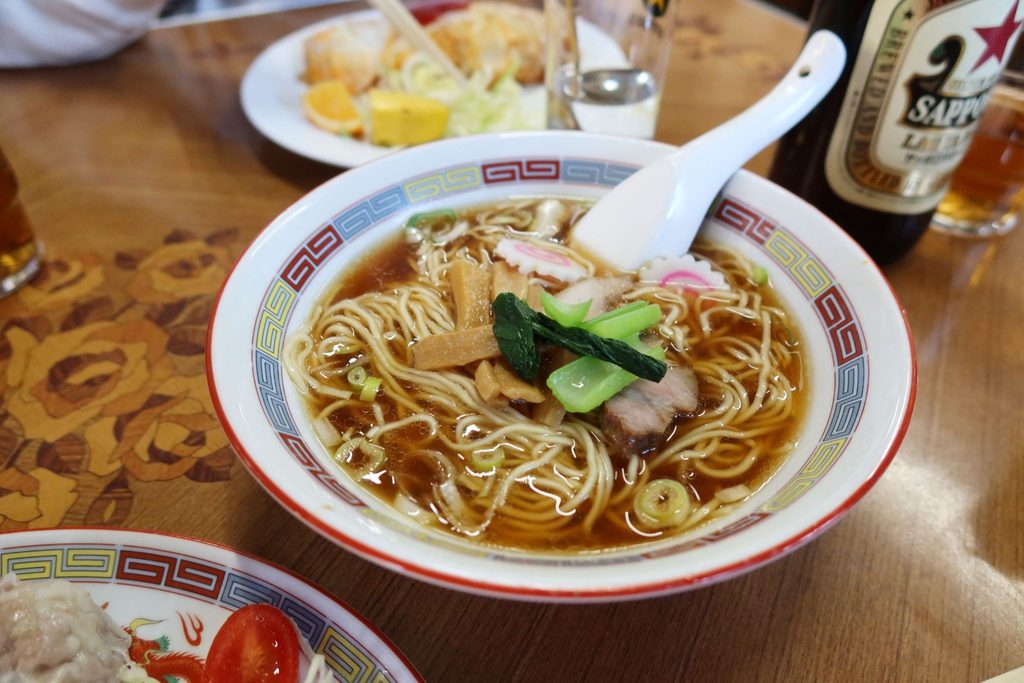
Light soy sauce is your everyday seasoning. Use it when a recipe calls for “soy sauce” without specifying which type. It’s ideal for stir-fries, fried rice, noodle dishes, dipping sauces, and marinades. It adds salt and umami without altering the natural color of the dish.
Dark soy sauce is a finishing touch. Use it sparingly—often just a teaspoon or two—to add color and a subtle sweetness to braises, stews, and dishes where you want that deep, caramelized appearance. It’s essential in northern Chinese cooking and Shanghai-style “red-cooked” meats, where the dark glaze is part of the dish’s identity.
Many recipes call for both. Light soy sauce provides the salt and base flavor, while dark soy sauce adds the color. Think of them as working in tandem: one for taste, one for appearance.
Can You Substitute One for the Other?
Not really. If you use dark soy sauce in place of light soy sauce, your dish will be too sweet and not salty enough. If you use light soy sauce in place of dark soy sauce, your dish won’t have the color or the slight sweetness the recipe intended.
If you don’t have dark soy sauce, you can approximate it by mixing light soy sauce with a small amount of molasses or brown sugar. It won’t be exact, but it will get you closer. For light soy sauce, there’s no perfect substitute—Japanese soy sauce like Kikkoman is the closest alternative, though it’s slightly less salty and has a different flavor profile.
A Note on Japanese Soy Sauce
Japanese soy sauce follows a different naming convention. Koikuchi shoyu, despite being called “dark,” is actually the all-purpose variety and functions more like Chinese light soy sauce. Usukuchi shoyu, or Japanese light soy sauce, is lighter in color but higher in salt—used when you want to season food without changing its appearance.
The takeaway: don’t assume “light” and “dark” mean the same thing across cuisines. Always check whether a recipe is calling for Chinese or Japanese soy sauce, and choose accordingly.
Choosing Quality
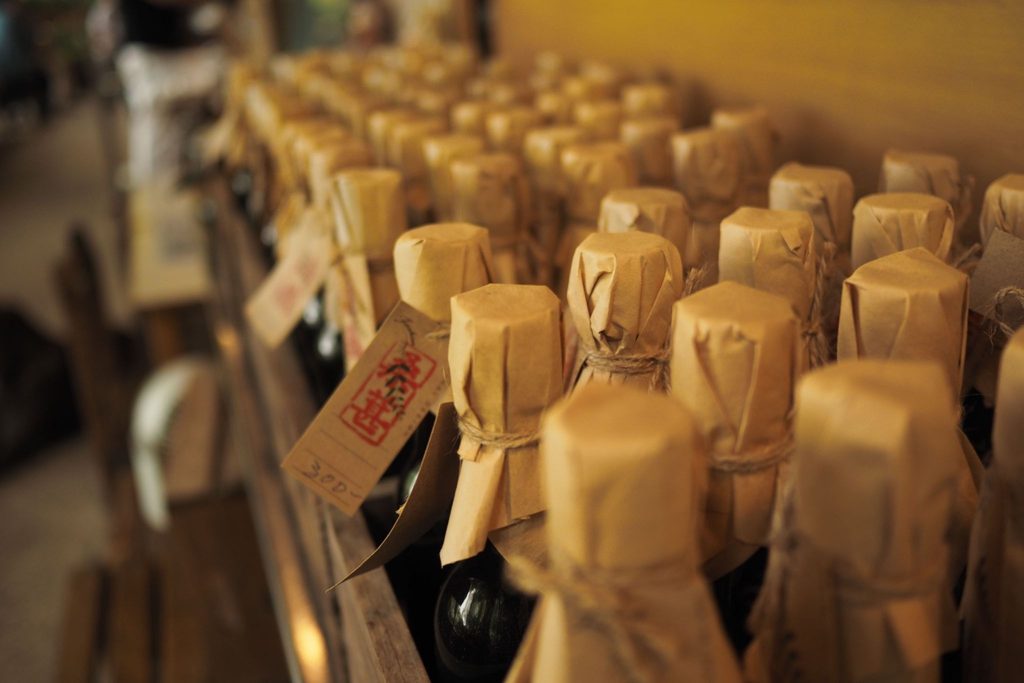
Look for naturally brewed soy sauce. The ingredient list should be short: water, soybeans, wheat, salt. Avoid anything labeled “hydrolyzed” or containing caramel coloring in light soy sauce, as these are signs of chemical production rather than traditional fermentation.
Reputable brands include Lee Kum Kee, Pearl River Bridge, and Kimlan for Chinese soy sauce. These are widely available in Asian grocery stores and online. Store both types in a cool, dry place. Once opened, they’ll keep for years, though flavor is best within the first year.
The Bottom Line
Light and dark soy sauce are not interchangeable. Light is for seasoning, dark is for color. Light is saltier, dark is sweeter. Light is thin, dark is thick. Understanding this distinction will improve your Chinese cooking immediately—no more guessing which bottle to reach for, no more accidentally over-salting or under-coloring a dish.
Start with light soy sauce as your foundation. Add dark soy sauce only when a recipe specifically calls for it or when you want to deepen the color of braised meats, noodles, or stir-fries. Once you internalize the difference, the soy sauce aisle won’t seem so intimidating after all.